Have you ever wondered how a first baseman seemingly defies gravity and stretches impossibly far to snag an errant throw, all while maintaining perfect balance and control? It’s almost as if they possess secret footwork that transforms them into elastic defenders around the bag. Yet, mastering the first baseman’s footwork around the bag, particularly during those critical stretch mechanics, is a nuanced challenge that demands precision, agility, and a deep understanding of positioning. This article delves into the intricacies of first baseman footwork, exploring how subtle shifts and timed movements contribute to flawless defensive plays in baseball and MLB games.
The Importance of Mastering the Stretch
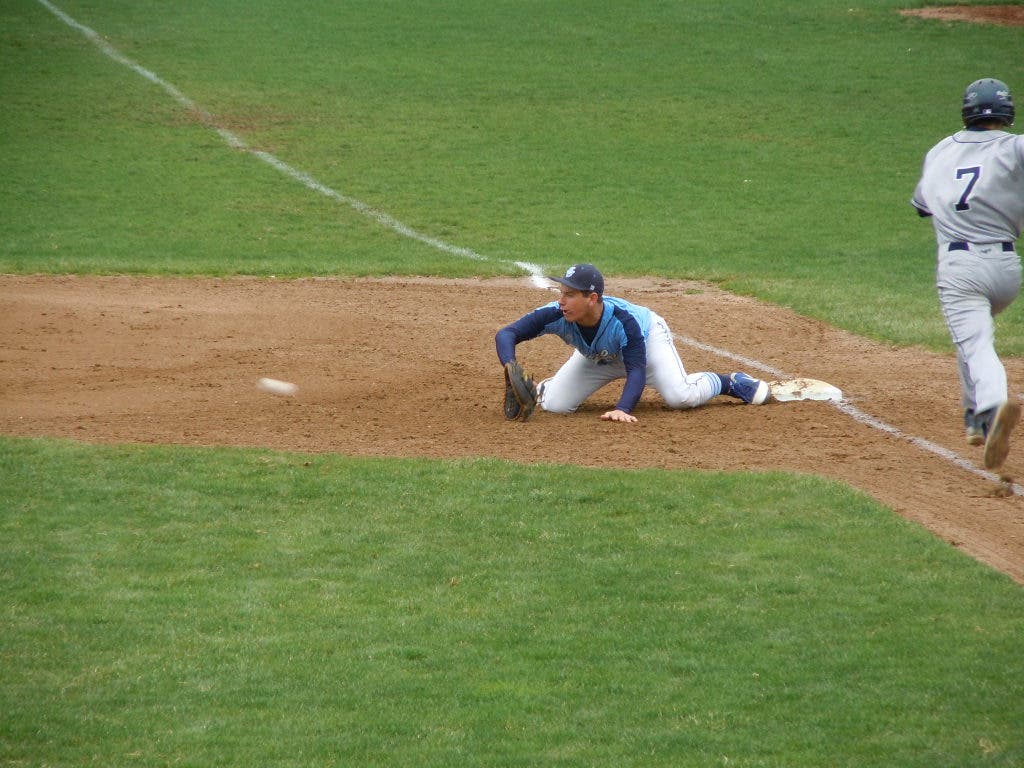
Stretch mechanics are a cornerstone skill for any first baseman, often making the difference between an out and a safe call. At first glance, the stretch may appear to be a straightforward extension to catch a high or wide throw, but it is, in reality, a dance of balance and timing. The first baseman must elongate their reach without compromising their ability to react swiftly. This becomes particularly challenging when the throw is off-target, requiring agile adjustments to maintain contact with the bag.
What makes the stretch special is its dual nature: the defender must appear both anchored and supple. This juxtaposition requires foot placement that provides a stable base while allowing dynamic movement to snag the ball. Incorrect foot positioning can not only reduce reach but also lead to misplays or injuries. Consequently, coaching footwork for these mechanics is as much about developing spatial awareness as it is about teaching physical flexibility.
Understanding Foot Placement in Relation to the Base
One of the foundational elements in stretch mechanics lies in the positioning of the feet relative to the bag. The first baseman’s footwork must allow for maximal coverage of the foul line while maintaining proximity to the base itself. Typically, the foot closest to the foul territory is positioned on the outside edge of the bag. This allows the defender to lean and stretch along the baseline for a wider coverage area.
The other foot, often referred to as the pivot foot, is positioned slightly behind and inside relative to the bag. This strategic placement enables a quick push-off for pivotal movements—whether to absorb the ball, guard the base, or prepare for a follow-up throw. The nuanced coordination between these feet ensures the first baseman is not only reaching effectively but remains prepared to transition into subsequent defensive actions.
Step Sequencing: The Anatomy of the Approach
Before the stretch can even begin, the first baseman must execute a well-timed approach toward the base. The sequence of steps leading into the stretch is a ballet of anticipatory motions designed to set up for maximum reach without sacrificing readiness. The first step upon receiving the signal to cover first is often a long stride toward the baseline. This stride is critical to building momentum and closing the distance between the first baseman and the anticipated throw.
Following the initial stride, the first baseman adjusts their steps into a controlled crossover or shuffle step, seamlessly transitioning into the stretch position. These steps are subtle yet vital in ensuring proper weight distribution. Too aggressive a step can throw off balance, while timidity can leave the defender stranded short of the base. Precision in step sequencing optimizes the defender’s ability to extend while maintaining the capacity to react to unforeseen errors or bounces.
Weight Distribution and Balance During the Stretch
Balance is the linchpin of the first baseman’s stretch mechanics. Footwork alone doesn’t guarantee a successful catch—how the weight is distributed across the feet plays a crucial role in executing the stretch effectively. Typically, a majority of the weight should be centered over the inside foot, allowing the player to lean toward the outstretched arm confidently.
However, this distribution is never static. As the ball approaches, the first baseman subtly shifts their weight forward onto the lead foot, creating tension in the stretch and preparing for the inevitable contraction back toward the bag upon the catch. This dynamic balance requires tremendous core strength and proprioception. The subtle art of oscillating between forward lean and backward stability ensures the defender is rooted enough to absorb momentum yet agile enough to maintain control.
Integration of Hand and Foot Coordination
The first baseman’s hands seldom operate in isolation from their feet, especially during stretch mechanics. The entire kinetic chain, from the toes through the torso to the fingertips, must operate in harmony for a successful catch. As the feet establish a base, the arm performing the stretch extends fully, with fingers positioned strategically to absorb and secure the ball.
This kinetic synergy is cultivated through repetitive practice and acute spatial awareness. Foot placement determines the limit of reach, and the hand must anticipate and adjust instantly. If footwork falters, then the hands compensate, often leading to hurried or awkward catches. In contrast, synchronized foot and hand movements cultivate an almost effortless execution that appears seamless to spectators but is the result of meticulous training.
Common Pitfalls and How to Avoid Them
Despite its apparent simplicity, many first basemen struggle with the footwork around the bag, especially in high-pressure moments. One common error is overreaching without proper foot positioning, leading to loss of balance or failure to keep contact with the base. Another frequent pitfall is locking the pivot foot too rigidly, which restricts the ability to adjust quickly if the throw deviates.
To counter these issues, coaches emphasize dynamic foot mobility drills that balance stability with flexibility. Drills that encourage lateral shuffles combined with quick pivots foster the muscular memory necessary for fluid stretches. Furthermore, visual and timing exercises sharpen the defender’s ability to anticipate the throw’s trajectory and adjust foot positioning proactively rather than reactively.
Advanced Techniques for Elite First Basemen
Elite first basemen often incorporate subtle deviations in footwork tailored to different throwing angles and batter tendencies. For example, when anticipating a low throw from the third baseman, a first baseman might adjust their outside foot slightly further from the bag to increase lateral reach. Conversely, against speedy baserunners, reducing the distance between feet can facilitate quicker tags and faster transitions.
Moreover, some professionals employ micro-steps during the stretch—small, incremental foot movements that fine-tune balance after the initial position is assumed. These micro adjustments ensure that if the ball is off-target or bouncing, the defender can recalibrate without losing contact with the base or compromising their stance. Mastery of these advanced footwork techniques distinguishes great defenders from merely good ones.
Training the Mind Alongside the Mechanics
Footwork around the bag isn’t merely a physical challenge—it is a mental one as well. The split-second decision-making involved requires acute awareness and anticipation. Preparing mentally for various game scenarios sharpens reflexes and improves foot placement before the ball is even thrown.
Visualization techniques are invaluable, allowing players to mentally rehearse the stretch mechanics against different throw speeds and angles. In tandem, situational drills cultivate muscle memory that interlaces cognitive readiness with physical execution. This dual training transforms footwork into an intuitive response, reducing hesitation and amplifying defensive reliability.
In the end, the first baseman’s footwork around the bag is a complex interplay of timing, balance, coordination, and instinct. The stretch mechanism is not merely a defensive move but a refined athletic craft shaped by countless repetitions and strategic insight. Next time you watch an incredible stretch at first base, consider the symphony of subtle foot motions and poised balance that made that seemingly miraculous play possible.