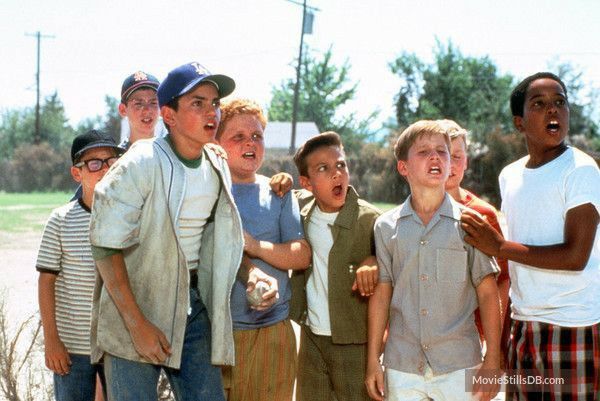
When most people think of baseball movies, their minds might instantly conjure up nostalgic scenes from beloved titles like The Sandlot. But is it truly the pinnacle of cinematic baseball realism? What if the most authentic baseball movie didn’t come wrapped in childhood nostalgia or quaint small-town charm? What if, hidden within the annals of baseball cinema, there exists a film that presents Major League Baseball (MLB) with the surgical precision, immersive detail, and nuanced authenticity that others merely touch upon? This article embarks on an exploration to uncover which baseball film might just be the most accurate portrayal of America’s pastime—buzzing tension, grit, and all.
The Allure and Challenge of Portraying Baseball on Screen
Baseball is far more than a game; it’s a cultural institution layered with intricate rules, unspoken etiquette, and a lexicon all its own. Capturing its essence on film is daunting. The long stretches of anticipation, the crunch of a well-timed pitch, the strategy that unfolds inning by inning—these elements require filmmakers to balance drama with authenticity. Many movies tilt towards romanticized versions of the sport, trading realism for feel-good narratives. But this approach begs the question: can a baseball film be both entertaining and a genuine reflection of the sport’s complexity?
Dispelling the Myth: Why Nostalgia Isn’t Synonymous with Accuracy
The Sandlot immortalizes the joy of youth and the magic of summer ballgames, but it’s emblematic of a broader cinematic trend to prioritize emotional resonance over technical detail. This beloved classic, while rich in charm and spirit, takes liberties that prioritize storytelling—like the exaggerated friendships and less stringent adherence to baseball’s formal rules. Nostalgia has a way of softening edges and amplifying collective memories, which, while fulfilling a valuable emotional function, doesn’t always serve the cause of accuracy.
Diving Into the Mechanics: Pitching, Hitting, and Fielding Realism
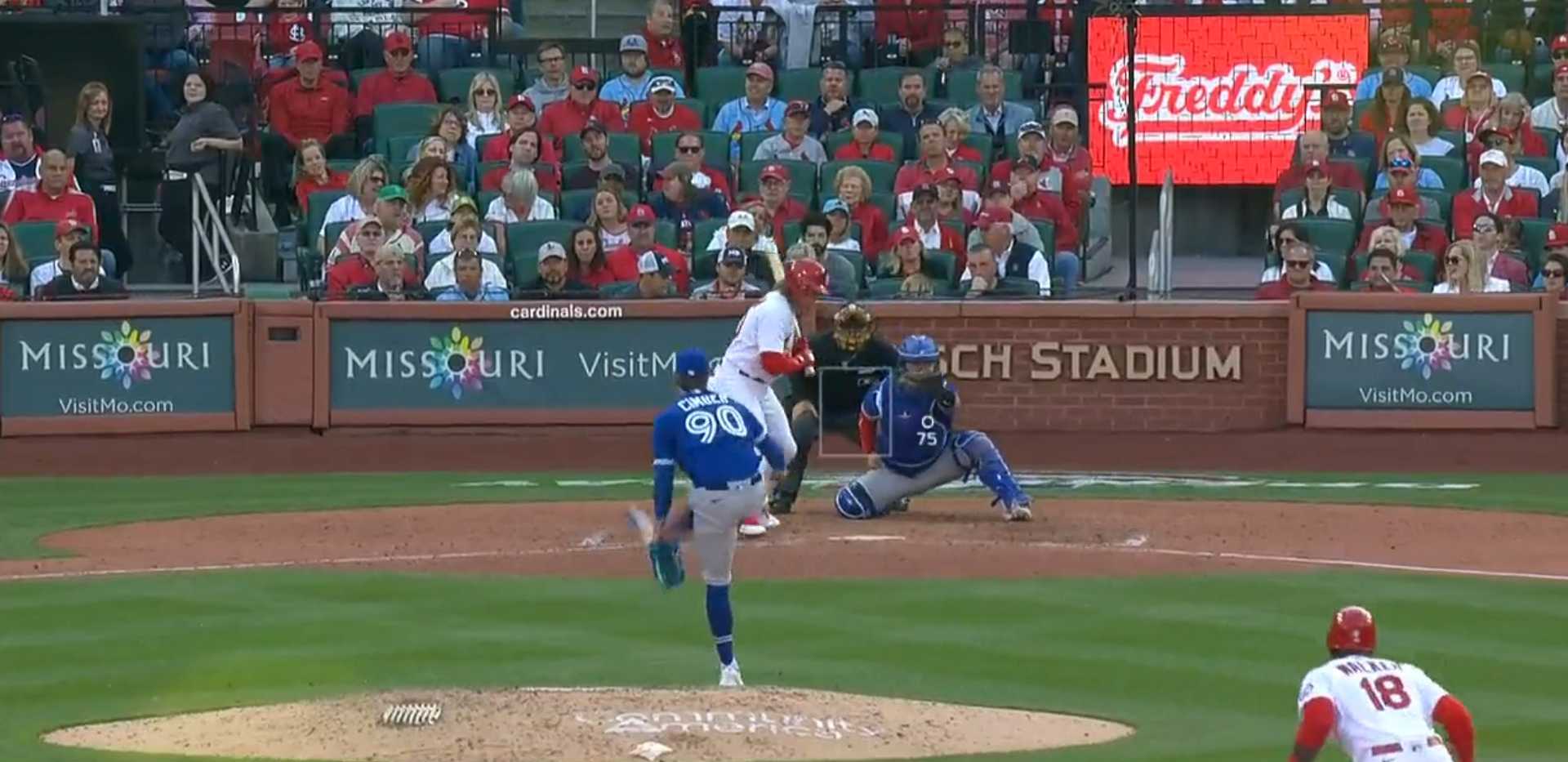
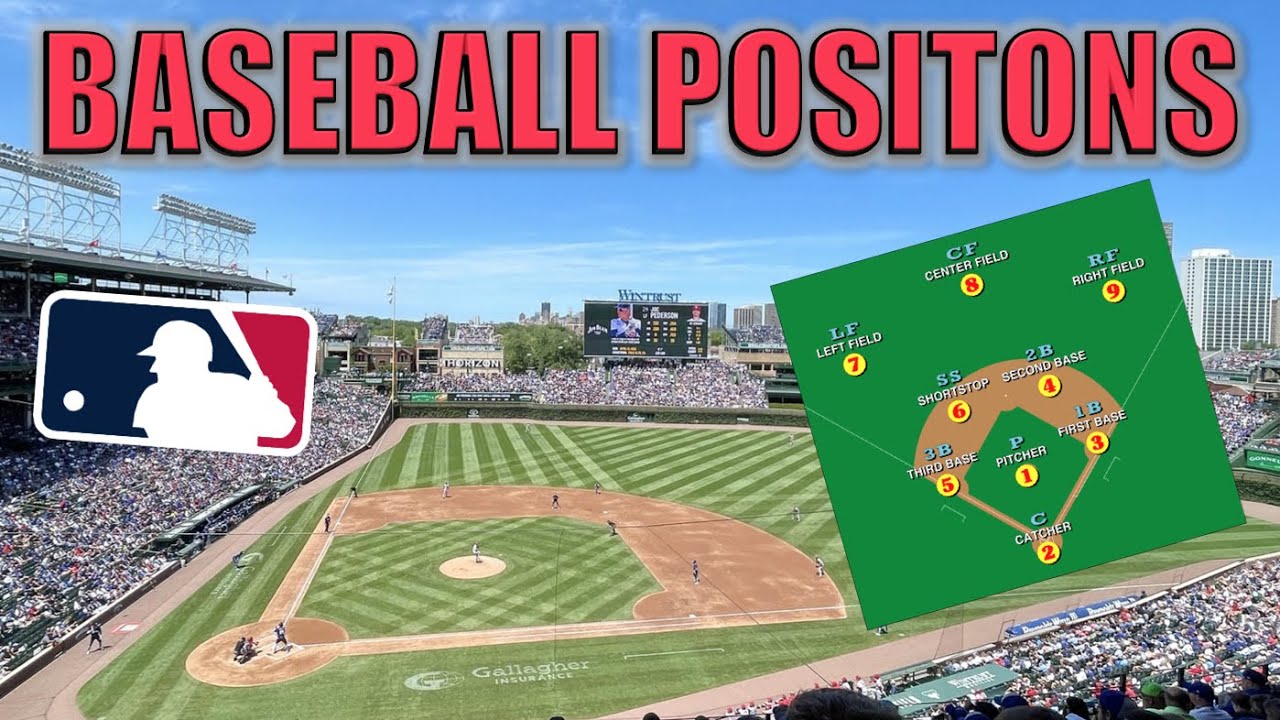
Accuracy in a baseball movie extends far beyond visible gestures; it rests on the micro-details embedded in gameplay. The art of pitching, for instance, involves subtle grips, wrist flicks, and release points that distinguish fastballs from curveballs or sliders. Similarly, batting entails split-second timing, a precise stance, and anticipation of pitch trajectory. Fielding requires awareness of positioning, footwork, and split-second decision-making. Films attempting to capture these nuances often struggle. Yet, the most precise baseball movie portrays these mechanics naturally, incorporating authentic player movement, realistic ball physics, and credible game strategy that does not intrude on narrative flow but enhances it.
The Roles of Authentic Casting and Technical Consultation
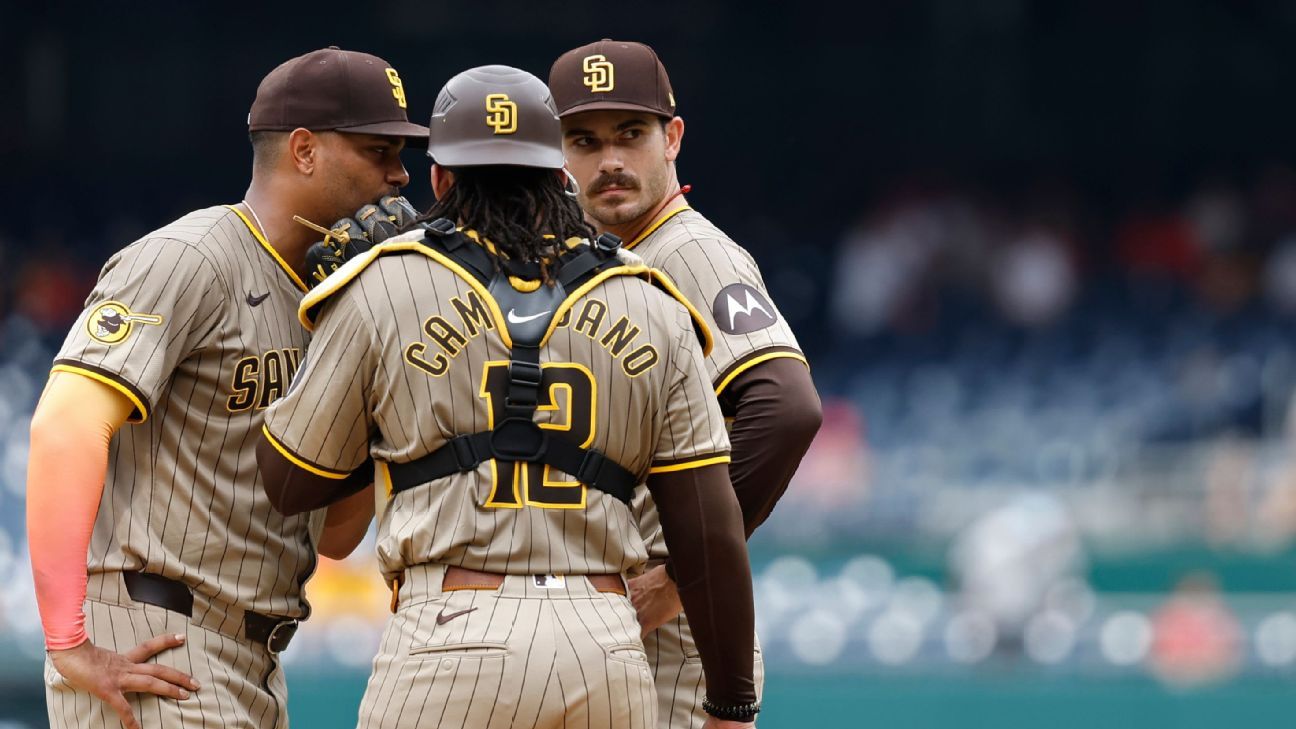
Behind every gripping sports film lies the symbiotic relationship between authentic casting and expert consultation. The actors’ sports backgrounds—or lack thereof—can make or break the film’s credibility. Movies that invest in working with former players, coaches, or technical advisors often yield performances that resonate with fans who know the game inside out. Observing believable batting stances, pitching forms, or even the casual clubhouse interactions demands an insider’s lens, usually achieved through meticulous research and collaboration with MLB professionals.
Atmosphere and Environment: Capturing the Spirit of the Ballpark
Baseball isn’t just played on the diamond; it dwells within the atmosphere of the stadium—the crack of the bat echoing through the stands, the aroma of freshly cut grass mingling with popcorn, and the collective hum of anticipation from thousands of fans. An accurate baseball movie transcends mere gameplay; it immerses viewers in the culture and spirit of the venue itself. Cinematography that highlights these sensory details performs a crucial role. From the layout of dugouts to the subtle wear on players’ uniforms, every element contributes to a holistic viewing experience that rings true.
Portraying The Psychological Duel: The Mental Game Behind Baseball
More than physical prowess, baseball is a cerebral sport woven with psychological warfare. Pitchers and hitters engage in a silent contest of mind games—pitch selection, body language, and timing all serve as clues and bluffs. A standout baseball movie deftly incorporates this intangible mental dimension, illuminating the pressures of clutch moments, the burden of legacy, and the toll taken by prolonged slumps or intense rivalries. These inner conflicts enrich the narrative, moving beyond surface action into profound character development.
The Narrative Structures That Define Baseball Cinema
Many baseball movies adhere to familiar narrative archetypes: underdog triumphs, coming-of-age journeys, or redemption arcs. Yet the most accurate film weaves a story that respects the unpredictability of baseball seasons—marked by routine, hiccups, and incremental progress rather than dramatic climaxes every inning. Authenticity often requires pausing to acknowledge the monotonous truths of the game: doubleheaders, rainouts, or the grind of a 162-game season. This narrative patience distinguishes a cinematic work steeped in realism from one that only superficially portrays the sport’s highs and lows.
The Move Toward Granular Realism: Technological Advances in Filmmaking
Advancements in cinematography and digital effects have empowered filmmakers to portray baseball with unprecedented detail. High-speed cameras capture the whip-crack of a bat meeting ball; motion-capture technology replicates player movements with exactitude. Sound design re-creates the stadium ambiance authentically, from the murmur of crowds to umpire calls. These technologies, when utilized judiciously, elevate the viewing experience from mere spectacle to an almost tangible immersion in the ballgame, perfecting a film’s claim to realism.
Conclusion: Redefining the Benchmark for Baseball Films
So, what film holds the distinction of being the most accurate baseball movie ever made? It is neither solely entrenched in nostalgia nor shallow dramatization. Instead, it harmonizes attention to the micro-technical elements of the game with the mental complexities and cultural fabric surrounding MLB. Such a movie challenges preconceived notions and raises a playful question about what fans truly seek in baseball cinema: is it the comforting warmth of familiar tropes or the invigorating thrill of watching their beloved sport reflected with unvarnished truth? In this arena, the faithful depiction transcends entertainment; it becomes a high-fidelity homage to the grand game itself.