In the realm of Major League Baseball, pitching is as much an art as it is a science. Among the myriad of pitches that keep hitters on edge, the curveball remains a quintessential weapon in a pitcher’s arsenal. However, not all curveballs are crafted equal. Two prominent variations—the Knuckle Curve and the Spike Curve—offer subtle yet significant differences in grip, mechanics, and resultant pitch behavior. Understanding these distinctions provides valuable insight for players, coaches, and enthusiasts who seek to master or appreciate this intricate craft.
The Origins and Evolution of the Curveball
Before delving into the technical variances between the Knuckle Curve and the Spike Curve, it’s important to appreciate the curveball’s lineage. The pitch itself was revolutionized in the late 19th century, credited to pioneers such as Candy Cummings. Over time, pitchers experimented with different grips and finger placements to enhance spin and movement. The Knuckle Curve and Spike Curve are products of this evolutionary experimentation, each offering unique advantages depending on a pitcher’s style and objectives on the mound.
Understanding the Knuckle Curve Grip
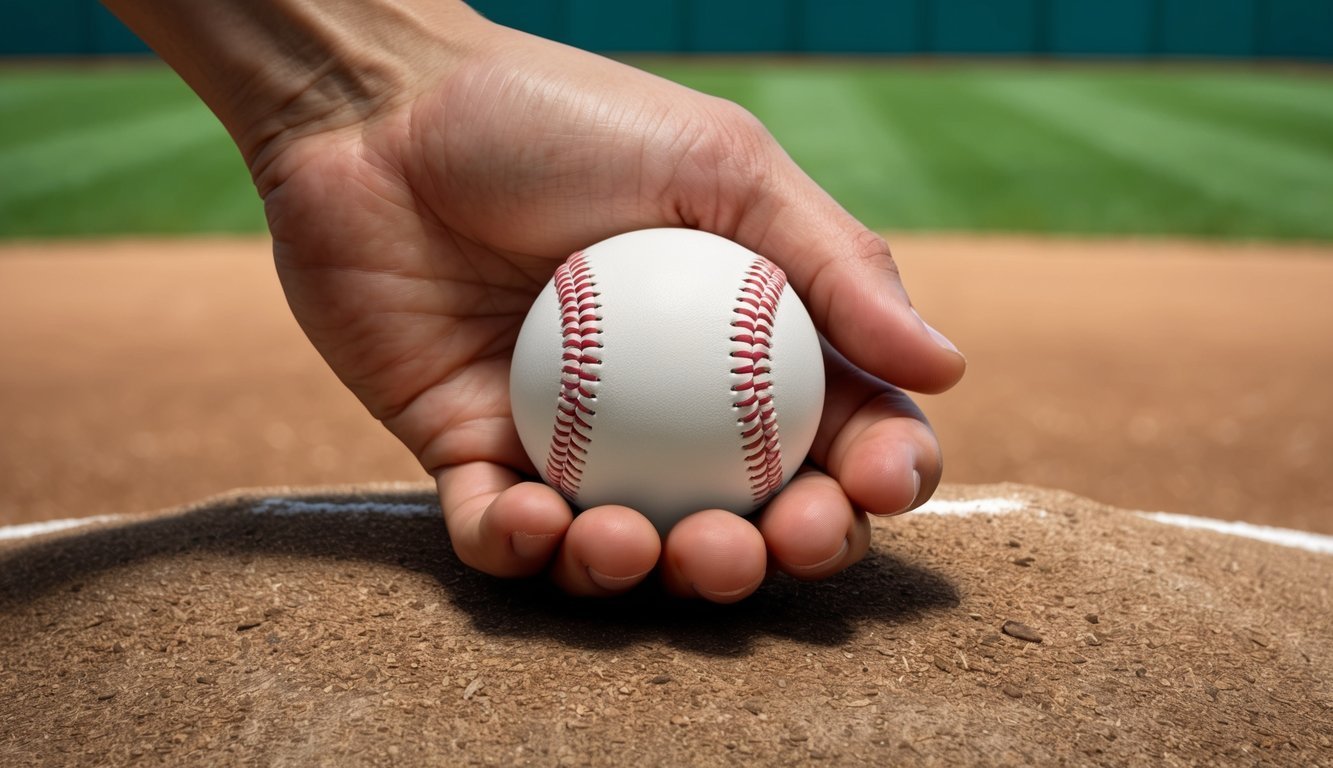
The Knuckle Curve, despite its name, straddles a curious intersection between two pitch types: the knuckleball and the conventional curveball. The grip involves digging the knuckle or the tip of the index or middle finger into the ball’s surface, often resting the fingernail or fingertips firmly against the leather. This anchoring of the knuckle creates a distinctive release point and finger pressure, which drastically impacts the spin axis of the ball.
This grip accentuates a tight, sharp snap at the point of wrist action, resulting in a pitch that displays a pronounced downward break, almost vertical in nature. The knuckle used in the grip often allows for enhanced control and consistency in the pitch’s movement, making it particularly useful in situations demanding precise location. The Knuckle Curve is lauded for its deceptive velocity, sitting comfortably between that of a slider and a traditional curveball, often baffling batters with its late, biting drop.
The Anatomy of the Spike Curve Grip
In contrast, the Spike Curve is characterized by the placement of the index finger, which is “spiked” or tucked underneath the baseball, exerting pressure with the fingertip against the ball’s surface. Typically, the pitcher inserts this finger so that the tip faces downward, gripping the ball tightly between the middle finger and the spiked index finger. The thumb stabilizes the ball on the opposite side, creating a compressed grip that facilitates maximal topspin generation.
This method levers the pitch’s arc to produce a looser, wider sweep compared to the Knuckle Curve. It tends to display more lateral movement combined with a robust downward snap. The Spike Curve’s trajectory is often perceived as wilder, occasionally eliciting more swing-and-misses due to its unconventional flight path and greater depth of break. However, the grip demands a precise release to avoid erratic delivery, which can result in the pitch ballooning or flattening undesirably.
Comparative Mechanics and Release Dynamics
Examining pitching mechanics reveals how these distinct grips influence arm action and release. The Knuckle Curve’s anchoring knuckle finger induces a higher degree of friction during ball release, encouraging a tighter spin axis and sharper break. Pitchers often employ a pronounced wrist snap coupled with a firm, consistent finger pressure to maintain this release quality.
Meanwhile, the Spike Curve’s finger placement shifts the balance of force to the forefinger, requiring a more nuanced wrist and fingertip tension management. The release point may vary slightly, as pitchers modulate finger pressure to control the ball’s rotation and break angle. Hence, pitchers often find the Spike Curve more difficult to master, yet rewarding in its potential for dramatic lateral and vertical movement.
Pitch Velocity and Spin Rate Differences
The spin rate is a critical factor underpinning the effectiveness of both pitches. The Knuckle Curve usually generates a moderately high spin rate, translating to a late, snapping break that deceives hitters at close quarters. This spin is facilitated by the knuckle’s role in ‘grabbing’ the ball during release, enhancing backspin.
Conversely, the Spike Curve can produce an even higher spin rate, especially in top-tier pitchers with exceptional fingertip control. The increased topspin is responsible for the sharper drop but also contributes to its sweeping horizontal action. Velocity-wise, the Spike Curve often registers slightly lower than the Knuckle Curve due to the complexity of the grip’s pressure distribution, although individual pitcher strength and mechanics play a significant role.
Situational Use and Strategic Applications
Pitch selection is context-dependent, and understanding when to employ the Knuckle Curve versus the Spike Curve can be pivotal in game strategy. The Knuckle Curve’s predictability and sharp vertical break make it ideal for getting ground ball outs, especially with runners on base and when inducing weak contact is paramount. Its relative control ensures it’s less likely to slip into unhittable, yet risky territory.
The Spike Curve, with its more adventurous break pattern, excels when a pitcher aims to confuse and overthrow batters. It’s particularly effective for striking out hitters or setting up other pitches with its distinct, less uniform movement. While riskier due to control challenges, it’s a potent weapon in the hands of pitchers who have mastered the grip and possess confident command.
Training and Mastery Considerations
Mastering either pitch demands rigorous practice, biomechanical awareness, and often, personalized coaching. For the Knuckle Curve, pitchers must focus on developing the feel for finger pressure and wrist snap timing. Drills emphasizing consistent release points and spin generation are crucial.
Spike Curve practitioners, meanwhile, need to cultivate fingertip sensitivity to modulate pressure dynamically during release. Training often involves repetitive bullpen sessions coupled with video analysis to fine-tune finger placement and wrist action. Physical conditioning, particularly wrist and finger strength, greatly enhances the ability to throw these pitches effectively.
Common Challenges and How to Overcome Them
A frequent hurdle for Knuckle Curve pitchers is maintaining consistent knuckle contact during fatigue or under pressure, which can lead to erratic breaks or loss of velocity. Regular strengthening exercises and mental focus techniques are paramount to surmount these challenges.
For Spike Curve users, the chief obstacle is controlling the more aggressive lateral movement without sacrificing strike zone command. Incremental adjustments in grip tightness and release timing, supported by video feedback, can significantly improve results. Patience and persistence are essential given the pitch’s demanding nature.
Notable MLB Examples Demonstrating Each Grip
Within the Major Leagues, several pitchers have popularized and refined these grip styles. While the Knuckle Curve’s influence can be seen in the pitching arsenals of those who rely on sharp, vertical breakers, the Spike Curve is notably employed by pitchers who thrive on unpredictability and complex pitch sequencing. Observing game footage and technical breakdowns of these pitchers provides invaluable visual context on grip impact and pitch execution.
Conclusion: The Subtle Artistry of Curveball Variants
The Knuckle Curve and the Spike Curve may appear similar at first glance, but their subtle grip distinctions create divergent pitching outcomes. Each demands a deep commitment to mastering its mechanics and understanding its strategic deployment. For pitchers and fans alike, embracing these nuances enriches the appreciation for baseball’s intricate choreography—the silent duel where grip and spin coalesce into a spectacle of controlled unpredictability.