The Colorado Rockies’ City Connect 2025 lineup has ignited a firestorm of speculation, with a leaked design sending fans into a frenzy of anticipation—and no small amount of trepidation. What if this year’s iteration isn’t just another jersey, but a sartorial revolution that redefines team identity? As the Rockies prepare to unveil their most daring uniform yet, the question lingers: Will the City Connect 2025 become a masterpiece of baseball aesthetics or a cautionary tale of creative overreach?
The Leaked Design: A Bold Departure from Tradition
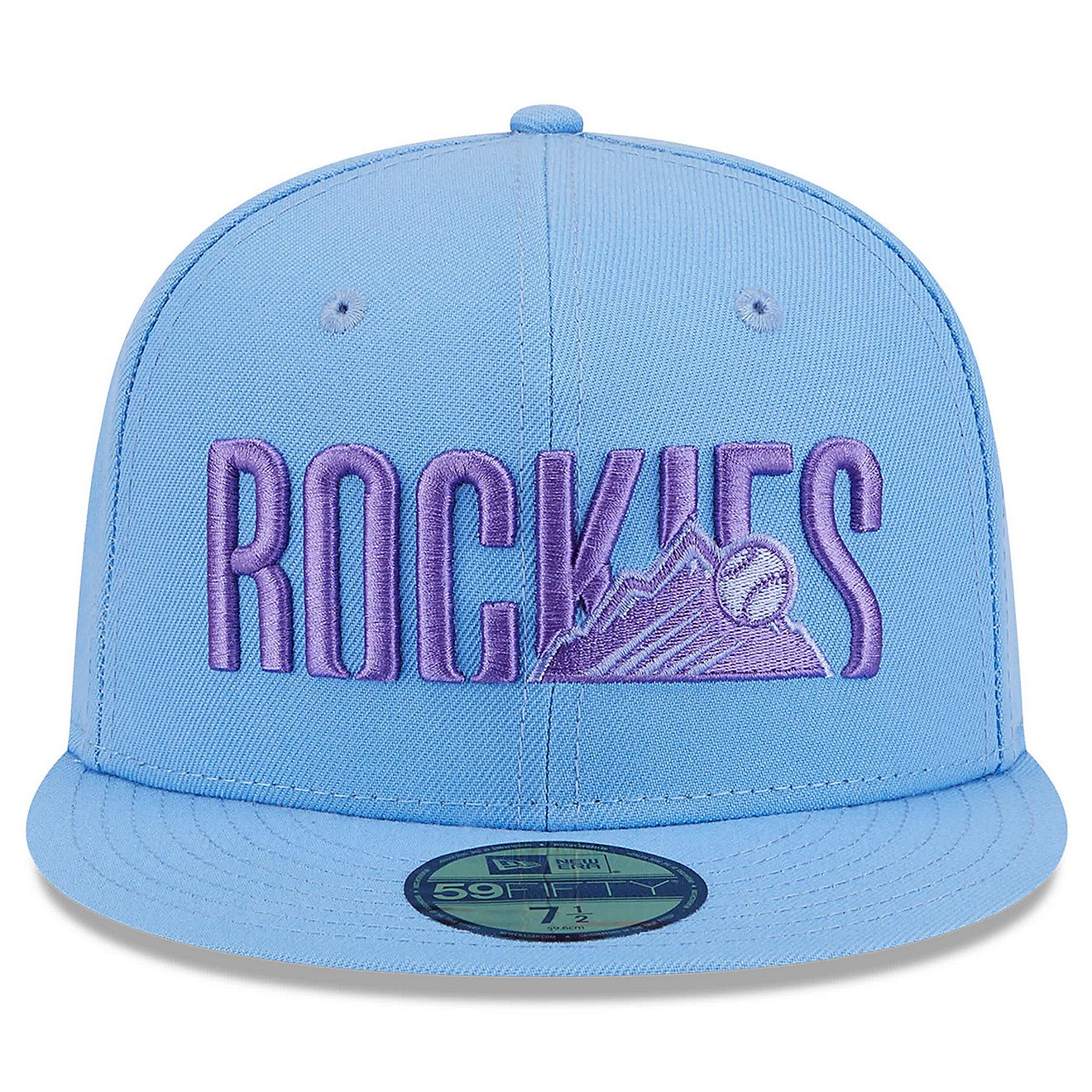
The first glimpse of the Colorado Rockies’ City Connect 2025 uniforms reveals a striking departure from the team’s usual palette. Gone are the familiar purples and blacks, replaced by a light blue hue reminiscent of the Colorado sky at dusk. The design incorporates subtle nods to the Rockies’ heritage, with intricate embroidery along the sleeves that subtly mimics the jagged peaks of the Rocky Mountains. The cap, a centerpiece of the collection, features a mesh back that allows for breathability—a practical touch in Denver’s high-altitude climate.
Yet, it’s the color that dominates the conversation. Light blue, a shade rarely seen in MLB uniforms, signals a bold statement. Will it resonate with fans who crave innovation, or will it clash with the traditionalists who see the Rockies’ identity tied to their classic colors? The answer may hinge on how the team markets this shift—positioning it not as a break from the past, but as an evolution.
Fan Reactions: A Divided House
Social media has erupted with reactions, ranging from unbridled enthusiasm to outright skepticism. On one side, supporters argue that the City Connect 2025 uniforms capture the spirit of Colorado—its natural beauty, its adventurous ethos. They praise the design’s uniqueness, calling it a refreshing change in an era where many teams play it safe with retro throwbacks.
Opponents, however, are less charitable. Critics argue that the light blue lacks the gravitas of the Rockies’ traditional colors, questioning whether it will ever feel like “home.” Some fans have taken to redesigning the jerseys themselves, proposing tweaks to the shade or pattern to better align with expectations. The debate has spilled into fan forums, where threads stretch for hundreds of comments, each post a testament to the passion—and sometimes, the frustration—surrounding the new look.
The Challenge of Selling a New Identity
For the Colorado Rockies, the City Connect 2025 uniforms represent more than just fabric and thread; they are a test of brand loyalty. The team must navigate a delicate balance: honoring tradition while embracing change. The challenge lies in convincing fans that this isn’t a fleeting trend but a deliberate evolution of the Rockies’ visual identity.
Historically, City Connect uniforms have been hits—think the Miami Marlins’ neon orange or the Chicago White Sox’s navy-and-silver throwbacks. But not every experiment succeeds. The Arizona Diamondbacks’ 2023 City Connect, with its copper accents, was met with lukewarm reception. The Rockies must avoid a similar fate by ensuring the 2025 design feels intentional, not arbitrary. This means leveraging storytelling in their marketing—tying the light blue to Colorado’s landscapes, its sports culture, and even its mining history, where blue was once a symbol of the state’s mineral wealth.
Merchandising and the Fan Economy
The economic implications of the City Connect 2025 uniforms extend far beyond the field. Merchandise sales could either soar or stagnate, depending on fan reception. Retailers are already bracing for demand, with pre-orders opening weeks before the official unveiling. The Rockies’ front office must capitalize on the buzz by offering limited-edition pieces—signed caps, autographed jerseys, and even collaborations with local artists to add exclusivity.
Yet, there’s a risk. If the design fails to resonate, unsold inventory could languish in warehouses, a costly misstep in an era where fan engagement drives revenue. The team’s ability to pivot quickly—perhaps by introducing fan-designed alternates or hosting a “design your own jersey” contest—could mitigate potential losses and turn detractors into advocates.
The Broader Trend: When Innovation Meets Tradition
The Colorado Rockies are not alone in their sartorial gambit. Across MLB, teams are experimenting with uniforms that push boundaries. The New York Mets’ 2024 City Connect, inspired by the city’s subway tiles, sparked both praise and parody. The Philadelphia Phillies’ 2023 powder blue throwbacks, while divisive, became instant collector’s items. These trends reflect a league increasingly willing to take risks—but also one where failure can be costly.
For the Rockies, the City Connect 2025 uniforms are a microcosm of a larger question: How much change can a team’s identity withstand before losing its soul? The answer may lie in the team’s ability to frame the design as a bridge between past and future, rather than a rupture. If executed well, the light blue could become as iconic as the Rockies’ purple. If not, it may join the annals of “what were they thinking?” uniforms—a cautionary tale for future designers.
What’s Next? The Unveiling and Beyond
As the official unveiling approaches, the pressure mounts. The Rockies’ front office, players, and fans alike will be watching closely. Will the team’s stars embrace the new look in interviews and social media, lending it credibility? Or will hesitation from players signal deeper unease among the fanbase?
The weeks leading up to the debut will be critical. The team must harness the hype, turning curiosity into excitement. Social media campaigns, player endorsements, and even in-stadium activations—like a “light blue night” where fans dress in the new color—could sway public opinion. The goal isn’t just to sell jerseys; it’s to sell a vision of what the Rockies can be.
In the end, the City Connect 2025 uniforms may be remembered as a turning point—or a misstep. But one thing is certain: they’ve already sparked a conversation that extends far beyond baseball. They’ve forced fans to ask themselves what they truly value in their team’s identity. And in a sport where tradition and innovation often collide, that’s no small feat.