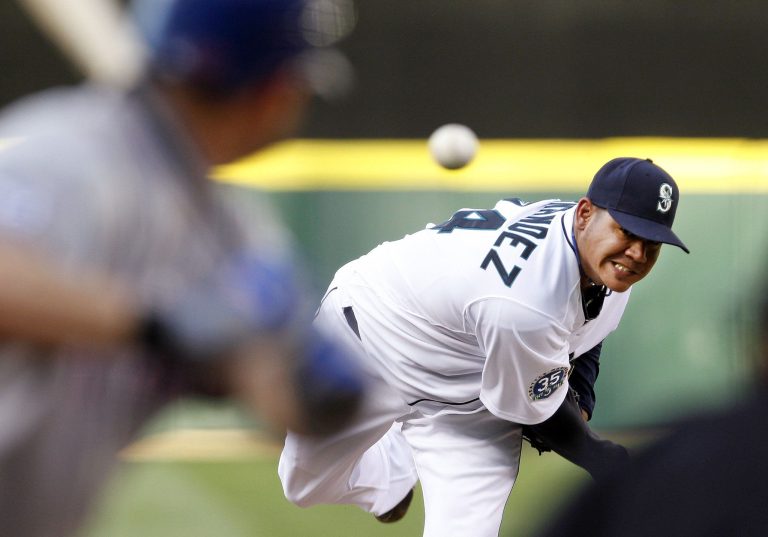
In the visceral symphony of baseball, the arm is often the star. A pitch across the diamond, carrying wind, sweat, dust, and a silent promise, captures attention. We perceive velocity, almost imperceptibly, translating into anticipation, surprise, or a groan. That split-second delivery, born from intricate mechanics and years of dedication, sparks a common observation: we notice who throws the fastest, who commands the most velocity. This phenomenon isn’t merely about quantifying speed; it delves into the essence of the pitcher’s art, the culmination of natural prowess and scientific refinement wedded to sheer human will. The narrative of baseball arms, from burgeoning prospects to grizzled veterans, becomes a fascinating story told not just in runs prevented, but in miles per hour across its own cathedral of dirt.
A Genesis of Observation
It is rare that a minor league game does not feature a pitch thrown with exceptional velocity. The modern fan is accustomed to high numbers displayed alongside each pitch. Yet, the raw spectacle remains. The pitcher winds up, strides forward, releases the sphere, and it leaves the hand with unnerving swiftness. This sight, replicating across levels, creates a palpable observation: speed is paramount. Scouts, broadcasters, analysts – their language becomes replete with mph figures, splits, and velocity tiers. We notice the 95 mph fastball, dissecting the zone with unnerving consistency; we marvel at the rising tide of velocity year after year, pushing the boundaries of human capability. This observation transcends mere statistics; it mirrors our innate human tendency to be captivated by peak performance, by the extraordinary achieved within often confined biological envelopes.
The Craft of Velocity
The genesis of such formidable speed lies not just in genetics, but in the confluence of numerous biomechanical variables. From the overhand delivery itself, a refined skill perfected over decades, to the highly coordinated sequence of trunk rotation, arm cocking, acceleration, and deceleration phases – each movement contributes significantly. The velocity is the measurable outcome of harnessing potential energy stored during the wind-up and lower body drive, converted explosively at release through the arm, shoulder girdle, elbow, and wrist. Factors ranging from muscle fiber composition and bone density to lever length and joint mobility play roles. A pitcher with a longer arm, for instance, can generate comparable force over a greater distance. Observation, therefore, is the first step; dissecting the mechanics reveals the deeper layers of human engineering on display.
Pinpointing Talent: The Radar Gun’s Role
The quantitative language of baseball owes much to devices like the radar gun. Its advent transformed scouting, shifting from anecdotal accounts of “fire arms” to data-driven analyses based on verifiable mph numbers. A pitch clocked at 92 mph versus one at 85 mph doesn’t just feel different; it suggests a marked difference in projected future performance, ability to challenge hitters, and potentially, the stress placed on the arm. Observations regarding pitch velocity gain concrete formality. Scouts don’t just estimate speed; they measure specific numbers across different locations (hitting zone charts) and under various pitch counts. This data becomes the bedrock for player valuation, draft picks, and contract negotiations, moving the observation from the realm of subjective feeling to objective, albeit contextual, assessment.
Development and Training Regimens
Elevated throwing velocity is often the desired outcome of intensive, sometimes controversial, training programs focused on building strength, power, endurance, and technical mastery. These protocols increasingly incorporate specialized weight room routines, sport science principles, nutrition plans, and meticulous biomechanical retraining. It’s far more than weightlifting; it’s about translating ground-based strength into effective arm speed and reducing injury risk. This systematic approach, often guided by sport performance coaches, underscores why velocity observation is central to modern player development. Scouts look beyond raw talent, seeking foundational programs that cultivate velocity without crippling young arms. The search for the next elite arm thus integrates detailed observation with sophisticated development methodologies aimed at amplifying kinetic potential.
The Yardstick of Comparison: Age-Group Benchmarks
Velocity is not uniform; it is sculpted by age, experience, physical maturation, and league level. A high school pitcher developing his arm may command an fastball closer to the upper echelon of his division, perhaps touching triple-digit speeds for elite prospects, though full-season averages skew lower initially. College players typically exhibit marked velocity gains upon maturity and heightened competition. For instance, starting pitchers entering their mid-20s often reach their velocity peaks, commonly topping the upper 90s, while elite freshmen entering college may already feature velocity near or exceeding that. The teenage phenom, conversely, often throws with velocity that defies expectations, catching the imagination. Observation across these varied age cohorts provides crucial data points for projecting developmental trajectories and understanding the complex interplay between physical maturation and acquired skill. Velocity benchmarks by age group illuminate different stages of athletic realization.
Equipment and Spin’s Increasing Influence
Americans are beginning to observe a new frontier in pitch velocity – the impact of specialized equipment designed to optimize arm action and ball aerodynamics. Tools like weighted balls for strengthening programs have specific applications but require careful use. More pervasively, advancements in pitch design, particularly the proliferation of high-MPH four-seam fastballs and specialized pitches engineered for movement, place unique demands on throwing arms. These pitches require precise control from the fingertips, demanding enhanced neuromuscular coordination alongside high speeds. Observation is evolving from simply noting mph figures towards analyzing the blend of velocity and innovative movement, recognizing that the fastest pitches are also those that deceive the batter. The synergy between refined arms and sophisticated equipment creates a fascinating cycle of observation, adaptation, and the ongoing quest for the next competitive edge.
The Human Factor: Beyond the Numbers
Ultimately, velocity observation connects to the broader humanity of baseball. It speaks of competition pushing boundaries, the quest for glory driving young athletes to dedicate their formative years to a demanding craft. Elite velocity signals dominance, a pitcher perceived as potentially unhittable that very day, or over a sustained period. Yet, velocity itself carries baggage; it often correlates with increased stress on young shoulders and elbows, fueling debate about pitch counts, innings limits, and long-term health. The observation isn’t just about performance; it’s about the narratives velocity constructs – tales of prodigies, veteran resilience, and the very real risks involved. These powerful speeds demand respect as much as they capture attention, serving as stark reminders of the athletic prowess achieved within the baseball diamond’s relatively humble setting.