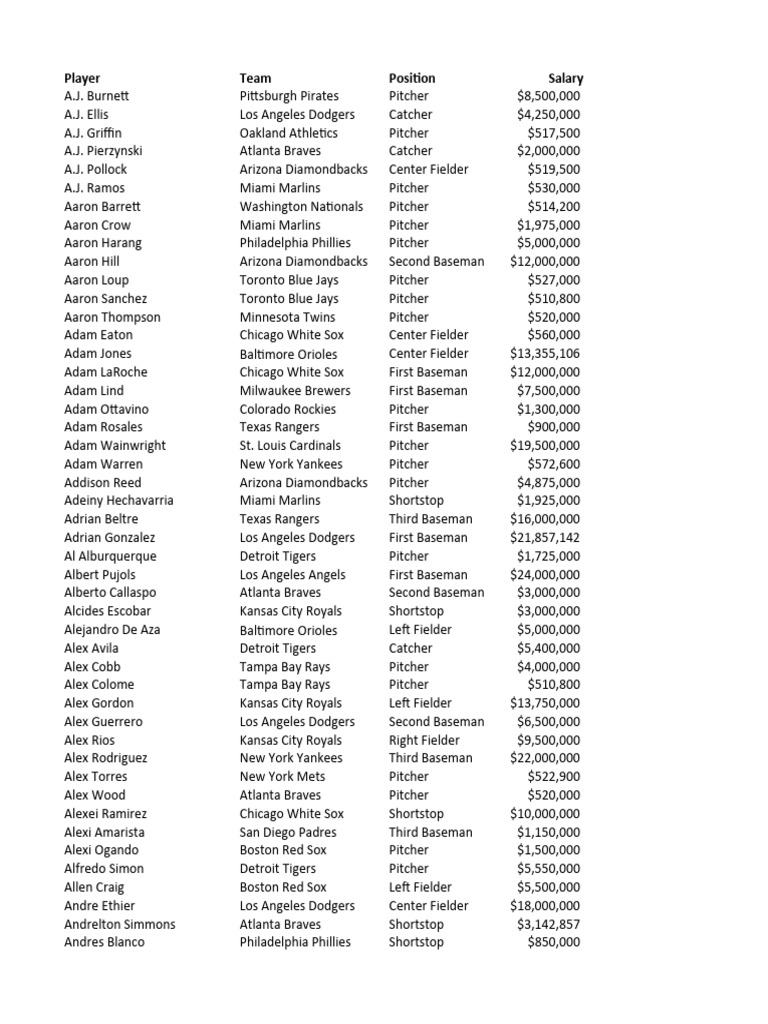
Ever wondered how a game played with a bat, a ball, and a whole lot of leather gloves could turn into a financial goldmine—or a cautionary tale of fleeting glory? Baseball isn’t just America’s pastime; it’s a high-stakes arena where raw talent meets ruthless economics. From the crack of a rookie’s first major league swing to the stratospheric earnings of a global superstar, the financial journey in baseball is as unpredictable as a 162-game season. But what does it *really* take to climb the ladder from minor-league obscurity to million-dollar contracts? And more importantly, how much can you actually make along the way?
The Rookie’s Dilemma: Peanuts, Per Diems, and the Pursuit of a Dream
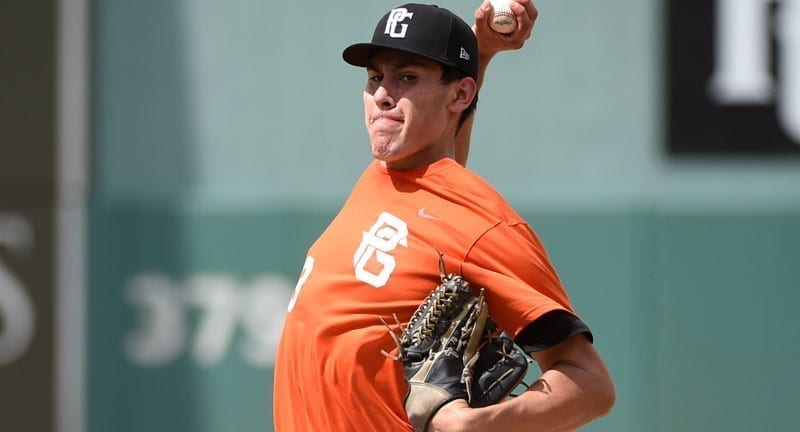
Stepping onto the field as a freshly drafted rookie is like being handed a lottery ticket—except the odds are slightly better than Powerball, and the payouts are far less glamorous. The average minor-league salary hovers around a pittance: $10,000 to $15,000 per year for most players, with top prospects in high-profile organizations barely cracking $30,000. These figures don’t account for the grueling travel, the cramped bus rides, or the constant pressure to perform. Many rookies survive on per diems—meager daily stipends that barely cover a meal at a gas station—while sharing motel rooms with teammates to cut costs.
Yet, for those who persevere, the payoff begins with the call-up to the majors. The minimum salary for a first-year player in 2024? A modest $740,000. Not a king’s ransom, but enough to trade in the ramen-and-bus-station diet for something resembling a professional athlete’s lifestyle. The real challenge, however, isn’t just earning the paycheck—it’s proving you belong in a league where one bad at-bat can send you back to the minors faster than a pop fly to shallow right field.
The Grind of the Grinder: Mid-Career Hustle and the Art of Staying Relevant
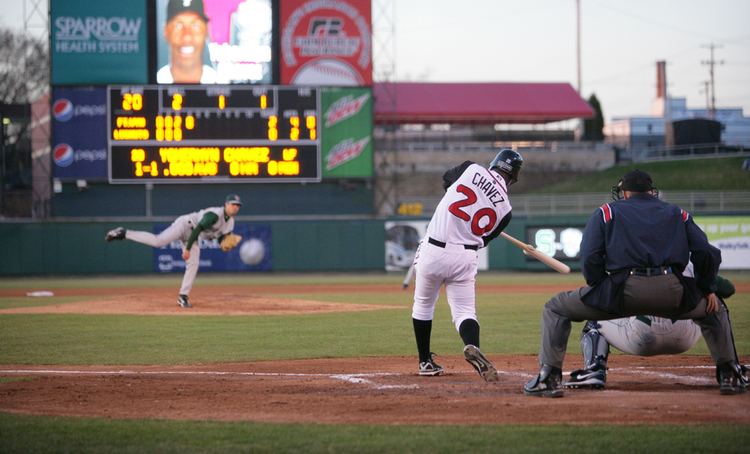
For players who’ve survived the rookie gauntlet, the next phase is a relentless cycle of proving their worth. This is the era of the “grinder”—the utility infielder who can play five positions, the journeyman pitcher who bounces between bullpens, or the platoon outfielder who waits for his at-bat like a cat stalking prey. Salaries in this tier vary wildly, from $1 million for a benchwarmer to $5 million for a solid everyday player. The key to maximizing earnings? Versatility. A player who can fill multiple roles becomes indispensable, even if they’re not the flashiest star on the roster.
But here’s the catch: baseball’s salary structure is front-loaded with bonuses and incentives. A player might earn $3 million in base salary but lose half of it if injuries derail their season. Arbitration hearings loom like storm clouds, where agents and front offices haggle over every decimal point of a player’s worth. The grind isn’t just physical; it’s a mental marathon of contract negotiations, media scrutiny, and the ever-present fear of being replaced by the next hot prospect.
The Superstar Paradox: Fame, Fortune, and the Weight of Expectations
Then there are the chosen ones—the players who transcend the game. The Mike Trouts, the Shohei Ohtanis, the players whose names become verbs (“He *Trout*-ed that pitch into the stratosphere”). These athletes don’t just earn salaries; they command empires. A superstar’s contract isn’t just a paycheck; it’s a statement. The average annual value (AAV) for a top-tier free agent in 2024? Try $30 million to $40 million. But the real magic happens in endorsements, where a single sneaker deal or a Gatorade commercial can dwarf the base salary.
Yet, with great wealth comes great scrutiny. A superstar’s every move is dissected, their performance dissected like a lab specimen. One slump can send fans into a frenzy, and a single injury can wipe millions off a player’s market value overnight. The pressure to maintain relevance is a beast that even the most decorated athletes struggle to tame. And let’s not forget the off-field demands: charity appearances, social media obligations, and the constant need to be “relatable” while living in a mansion.
The Dark Side of the Diamond: The Financial Pitfalls of a Fragile Career
Baseball’s financial landscape isn’t all sunshine and home runs. The average career lasts just 5.6 years, and for every player who retires with a nest egg, there are dozens who leave the game with little more than memories and a mountain of debt. Injuries are the silent assassins of careers, and the lack of guaranteed contracts in MLB means a single torn ligament can derail a decade of hard work. Even players who earn millions can find themselves financially vulnerable if they don’t plan meticulously.
Then there’s the post-career reality. Minor leaguers who never make it to the majors often struggle to transition into stable careers, while even major leaguers face an uphill battle after retirement. The league’s pension system, once a safety net, has eroded over time, leaving many former players to fend for themselves. The financial pitfalls of baseball aren’t just hypothetical—they’re a stark reminder that this game, for all its glamour, is a merciless mistress.
The Wild Card: International Players and the Globalization of Baseball’s Payroll
Baseball’s financial ecosystem isn’t confined to the U.S. and Canada. The rise of international free agency has turned the global market into a high-stakes poker game, where teams bid for the next Shohei Ohtani or Juan Soto. Players from Japan, the Dominican Republic, Venezuela, and beyond now command salaries that rival (and sometimes surpass) their American counterparts. The average international signing bonus? $100,000 to $2 million, with top prospects like Wander Franco inking deals worth $1.2 million just to sign.
But the international market isn’t without its controversies. Age fraud, exploitation, and the pressure to perform under the watchful eyes of scouts and agents create a pressure cooker environment. For every international success story, there are countless tales of players who burn out before they ever see a major-league paycheck. The globalization of baseball has expanded opportunities, but it’s also intensified the competition, making the financial journey even more precarious.
The Bottom Line: Can You Really Get Rich Playing Baseball?
The answer, as with most things in baseball, is a resounding “maybe.” For every player who signs a $300 million contract, there are hundreds who scrape by on league minimum salaries, only to be released before they’ve earned enough to buy a house. The financial rewards are real, but they’re not guaranteed. Success in baseball requires more than talent; it demands resilience, adaptability, and a bit of luck. The players who thrive are those who treat the game not just as a sport, but as a business—one where every swing, every pitch, and every contract negotiation is a calculated move in a high-stakes game.
So, can you make money in baseball? Absolutely. Can you get rich? That depends on whether you’re willing to outlast the grind, outsmart the odds, and outplay the competition. For those who do, the rewards are legendary. For those who don’t, the game will always have another pitch waiting.