There’s a quiet revolution brewing in the dirt and grass of baseball diamonds across America. It’s not about faster fastballs or more devastating curveballs—it’s about redefining what a slider can be. For generations, pitchers have been taught to pronate their wrists, to torque their fingers into a violent twist, all in the name of generating that late-breaking, knee-buckling movement. But what if I told you there’s another way? A way to throw a slider that doesn’t demand supination, that doesn’t rely on the fragile mechanics of wrist contortion? This isn’t just another pitching tutorial. It’s a paradigm shift. And once you understand it, every slider you throw will feel like a revelation.
The Myth of Supination: Why Most Sliders Are Built on a Lie
For decades, the baseball world has been sold a simple equation: slider equals supination. The idea is straightforward—grip the ball with your index and middle fingers off-center, then snap your wrist inward as you release, forcing the ball to spin like a frisbee cutting through humid air. It’s a violent motion, one that demands precision and risks injury. But here’s the uncomfortable truth: supination isn’t the only path to a devastating slider. In fact, it might be the least efficient one.
Supination forces pitchers into a biomechanical trap. The wrist twists, the forearm tightens, and the elbow—already a vulnerable joint—bears the brunt of the stress. Over time, this repetition can lead to ulnar collateral ligament strain, the dreaded Tommy John precursor. Worse, it limits the pitcher’s ability to vary spin rates and movement profiles. A slider thrown with pure supination tends to have a predictable, one-dimensional break. It’s like painting with only one color: effective, but never truly masterful.
The Cutter Grip: A Subtle Revolution in Spin and Movement
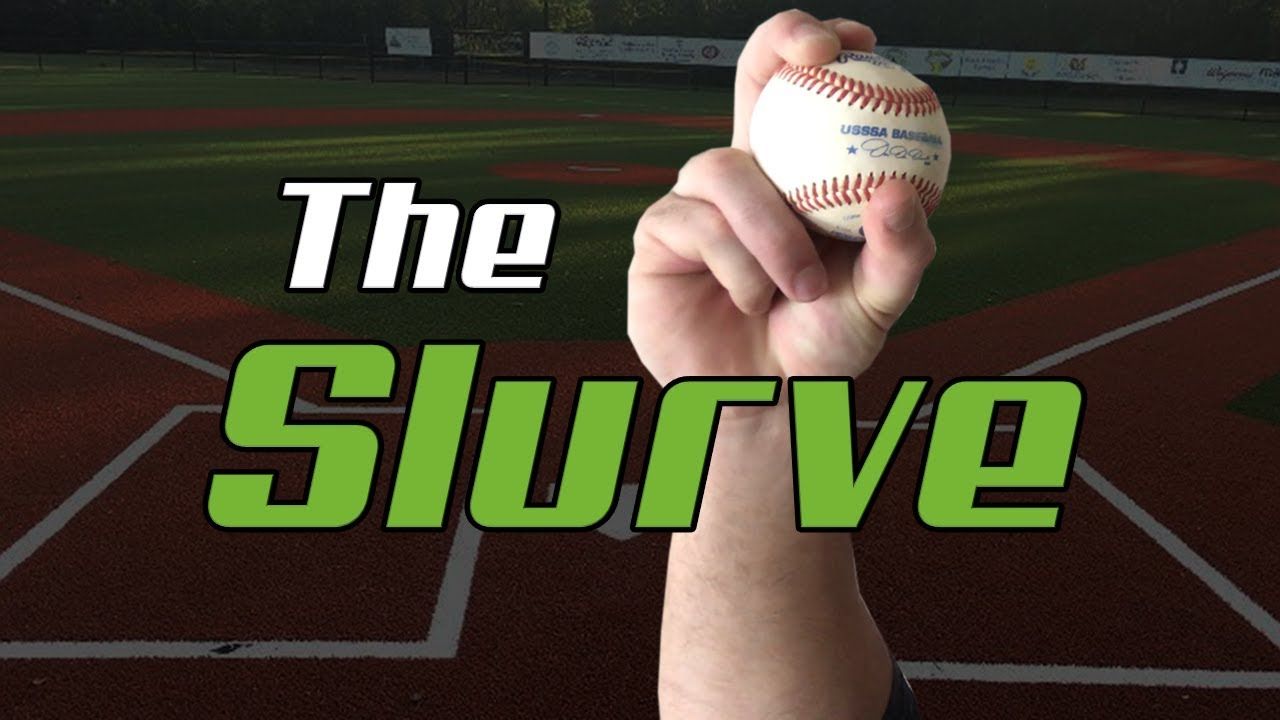
Enter the cutter grip—a grip that doesn’t scream for attention but whispers its secrets in the spin of the ball. Unlike the traditional slider grip, where the fingers are splayed and the wrist is forced into a dramatic twist, the cutter grip is deceptively simple. Place your index finger along the horseshoe seam, your middle finger just off it, and your thumb directly beneath. The key isn’t in the wrist’s contortion but in the subtle pressure of the fingertips as the ball leaves your hand.
This grip doesn’t require supination. Instead, it leverages the natural axis of the ball’s rotation. The index finger imparts a slight gyroscopic effect, while the middle finger stabilizes the spin. The result? A pitch that doesn’t just break late—it *hides* its movement until the last possible moment. Batters expecting a fastball see a blur of red stitching, only to realize too late that the ball has darted away like a startled minnow.
The beauty of the cutter grip lies in its adaptability. Adjust the pressure of your index finger, and you can turn a slider into a cutter-like pitch with late, sharp break. Increase the angle of your middle finger, and you introduce a rising, tailing action that looks like a fastball before diving out of the zone. It’s not just a slider. It’s a chameleon.
Biomechanics Unlocked: How the Cutter Grip Reduces Strain and Enhances Control
Pitching is a sport of margins, where the difference between a strike and a home run can hinge on the angle of a single joint. The traditional slider grip forces the wrist into extreme flexion and extension, a motion that places undue stress on the ulnar collateral ligament. The cutter grip, by contrast, distributes the load more evenly across the forearm and wrist. The fingers do the work, not the wrist.
This isn’t just theoretical. Studies on pitcher kinematics have shown that reducing wrist supination can decrease valgus stress on the elbow by up to 20%. That’s not a trivial number—it’s the difference between a pitcher who throws 150 innings a year and one who spends half the season on the disabled list. More importantly, it allows pitchers to throw more sliders, more often, without the fear of self-inflicted damage.
Control is another casualty of the traditional slider grip. When the wrist is forced into supination, the pitcher’s release point becomes inconsistent. The ball either tails too much or doesn’t break enough. The cutter grip, however, offers a more repeatable release. The fingers guide the ball, not the wrist, leading to tighter command. And in a game where inches matter more than miles per hour, tighter command is the difference between a slider in the zone and a slider in the bleachers.
The Art of Deception: How to Sell the Cutter Grip to Hitters
A great slider isn’t just about movement—it’s about misdirection. The cutter grip excels here because it allows pitchers to disguise their intentions longer than any other breaking pitch. The grip itself looks like a fastball grip until the last possible moment. The wrist stays neutral, the arm speed remains consistent, and the ball’s initial trajectory is indistinguishable from a four-seam fastball.
This is where the psychological game begins. Hitters are trained to recognize spin early. A curveball’s topspin is visible from the pitcher’s hand. A traditional slider’s gyro spin is a dead giveaway. But the cutter grip’s spin axis is more subtle. The ball’s rotation isn’t immediately apparent, so hitters commit to the fastball too early. By the time they realize the deception, it’s too late. The pitch has already dove out of the zone or tailed back over the inner half.
To maximize this deception, pitchers should focus on three key elements: arm speed, release point, and follow-through. Arm speed should match that of a fastball. The release point should be identical. And the follow-through should be smooth, without any exaggerated wrist flick. The less the hitter sees, the more they’ll be fooled.
Practice Drills: From Novice to Mastery with the Cutter Grip
Mastering the cutter grip isn’t an overnight process. It requires deliberate practice, feedback, and a willingness to unlearn old habits. Start with a tee. Place the ball on the tee at a height that simulates a fastball’s release point. Focus on gripping the ball with the cutter grip and releasing it with minimal wrist movement. The goal isn’t power—it’s consistency. Each rep should feel the same: fingers guiding, wrist neutral, ball spinning cleanly.
Next, move to soft toss. Have a partner toss the ball underhand from a short distance. The reduced velocity allows you to focus on spin and movement without the pressure of full-game speed. Pay attention to the ball’s break. Is it diving? Is it tailing? Adjust your finger pressure accordingly. A slight increase in index finger pressure will add more gyro spin, while adjusting the middle finger’s angle can introduce a rising action.
Finally, integrate the cutter grip into bullpen sessions. Start with fastballs, then introduce the cutter grip on every third pitch. Gradually increase the frequency until the grip feels natural. Record your sessions. Compare the spin rates and movement patterns. The data will tell you when you’re ready to unleash this pitch in a game.
Game-Day Application: When to Throw the Cutter Grip Slider
The cutter grip slider isn’t a one-size-fits-all pitch. It’s a surgical tool, best deployed in specific situations. The most obvious is with two strikes. A hitter expecting a fastball will often chase a cutter grip slider that starts in the zone and dives out. It’s a pitch that generates whiffs at an elite rate, especially on the inner half.
Another prime opportunity is with runners on base. The deception of the cutter grip makes it difficult for runners to read the spin early, reducing the chances of a stolen base. And against left-handed hitters, a cutter grip slider that tails back over the outer half can be a devastating weapon, inducing weak contact or a chase out of the zone.
But the cutter grip slider’s true power lies in its versatility. It can be thrown in any count, to any hitter, in any situation. The key is to vary the spin and movement subtly. A slight adjustment in finger pressure can turn a slider into a cutter-like pitch with late, sharp break. A change in release point can introduce a rising action that looks like a fastball before diving out of the zone. The more you experiment, the more unpredictable you become.
The Future of Pitching: Why the Cutter Grip is Here to Stay
Baseball is a sport of evolution. From the dead-ball era to the launch-angle revolution, the game has constantly adapted. The cutter grip slider represents the next step in that evolution. It’s a pitch that prioritizes health, deception, and control over brute force. It’s a pitch that allows pitchers to extend their careers without sacrificing effectiveness. And most importantly, it’s a pitch that forces hitters to reconsider everything they thought they knew about breaking balls.
This isn’t just another trend. It’s a fundamental shift in how we think about pitching. The days of reckless wrist supination are numbered. The future belongs to pitchers who understand the science of spin, the art of deception, and the importance of longevity. The cutter grip slider is more than a pitch. It’s a statement. And it’s only just beginning to make waves.