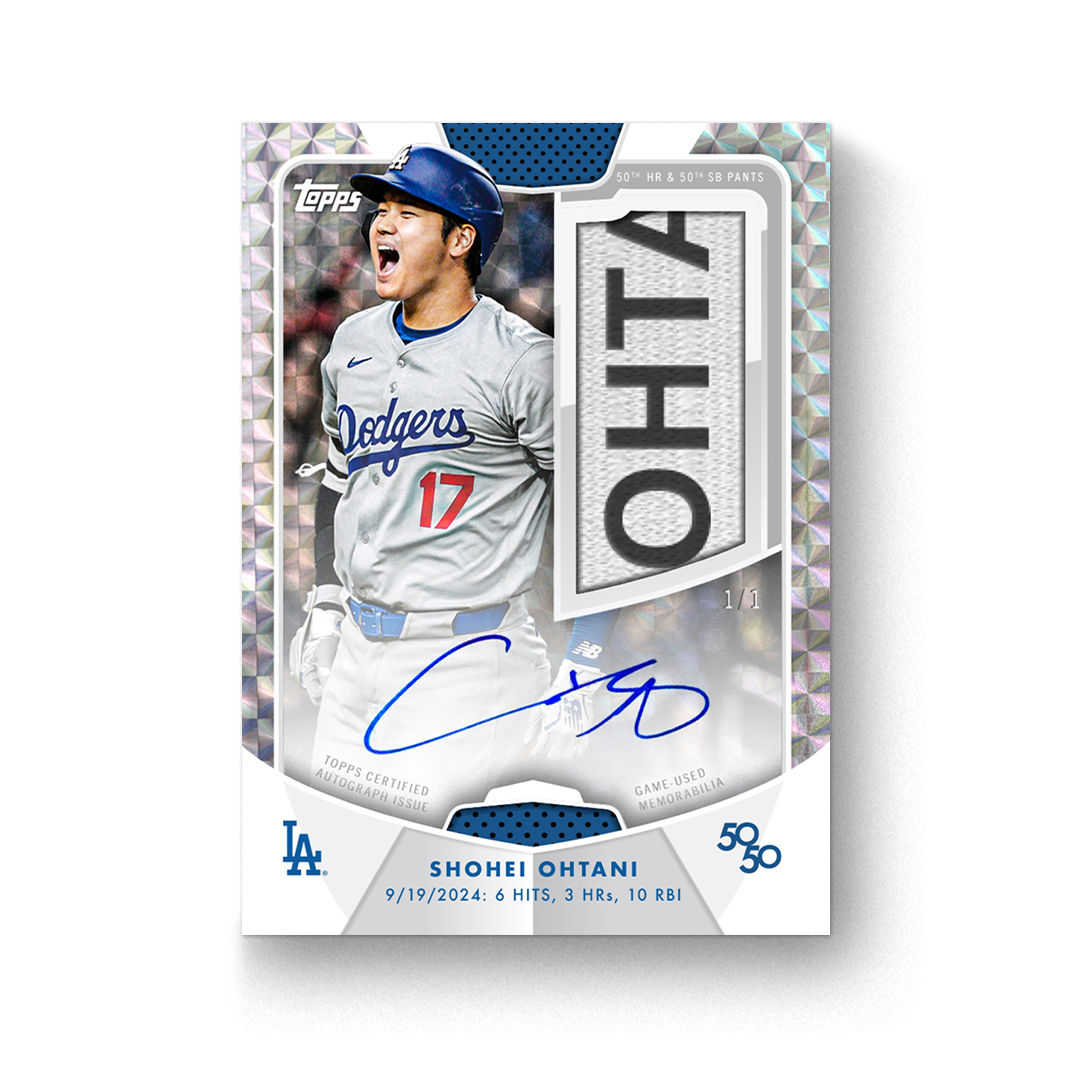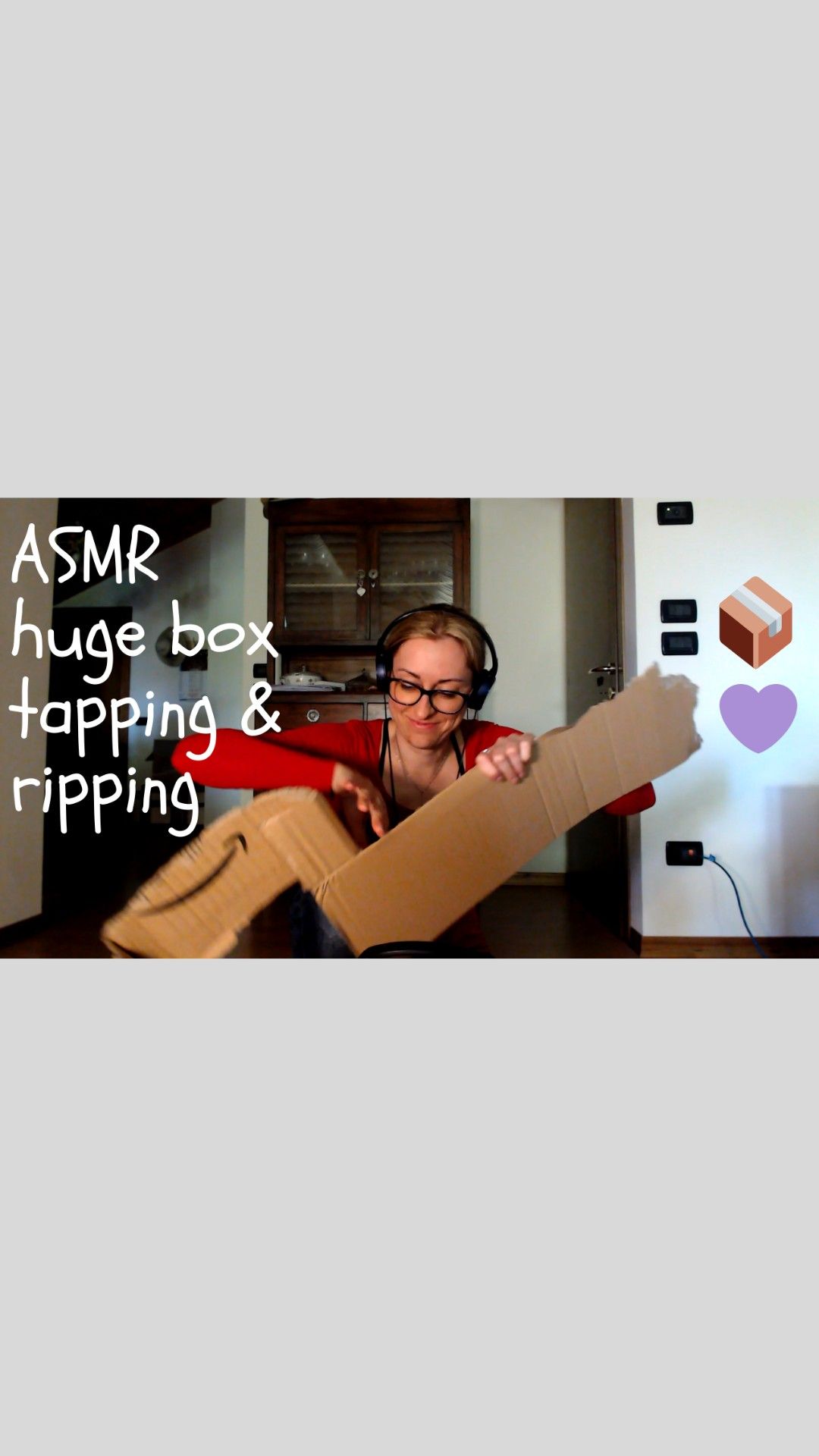
Baseball cards have long been a cherished part of sports culture, blending nostalgia with tangible collectibles. The rise of ASMR (Autonomous Sensory Meridian Response) content has introduced a new dimension to this hobby, where the sounds of tearing, crinkling, and tapping cards are amplified to create a soothing auditory experience. But what happens when the ritual of card-ripping ASMR collides with the reality of handling prized baseball cards? The experiment was simple: attempt to rip cards for ASMR purposes. The results were far from what was expected.
The Allure of ASMR and Baseball Cards: A Match Made in Heaven?
ASMR has carved a niche in the digital content landscape, offering viewers a sensory escape through carefully curated sounds. Baseball cards, with their crisp edges and glossy surfaces, seem like the perfect canvas for this auditory art form. The contrast between the rigid structure of a card and the soft, rhythmic tearing of paper creates a paradoxical yet intriguing soundscape. Collectors and enthusiasts often reminisce about the tactile joy of flipping through a stack of cards, the slight resistance of the paper as it bends, and the crisp snap when a card is bent just right. These sounds, when isolated and amplified, can evoke a sense of comfort and nostalgia.
However, the magic of ASMR lies in its ability to transform mundane actions into something extraordinary. The challenge arises when the very items meant to be preserved—baseball cards—are subjected to the destructive intent of tearing. The cognitive dissonance between the preservation of these collectibles and the act of ripping them apart is stark. It’s a tension that ASMR creators often exploit, but in this case, it led to an unexpected outcome.
The Experiment: Setting the Stage for Disappointment
The premise was straightforward: gather a selection of baseball cards, both modern and vintage, and attempt to rip them while recording the sounds for ASMR purposes. The goal was to capture the nuances of the tearing process—the initial resistance, the gradual fraying of the paper, the final snap. But from the outset, the experiment was doomed to fail. Why? Because baseball cards, especially those in good condition, are designed to withstand the test of time. Their paper stock is often thicker and more durable than standard cardstock, making them resistant to tearing.
Modern baseball cards, particularly those produced in the last two decades, are often made from high-quality materials that prioritize durability. The edges are smooth, the corners are reinforced, and the paper itself is treated to resist bending and creasing. Even vintage cards, while more prone to wear, are often laminated or coated to prevent damage. The act of tearing a baseball card, it turns out, is not as simple as it seems. It requires significant force, and even then, the result is often a jagged, uneven tear rather than the clean, satisfying rip that ASMR enthusiasts crave.
The Sounds That Never Were: Why Baseball Cards Resist Tearing
The failure of the experiment highlighted a fundamental truth about baseball cards: they are not meant to be torn. Unlike thin paper, tissue, or even cardboard, baseball cards are engineered to last. The materials used in their production are chosen for their longevity, not their sonic potential. When subjected to the pressure of tearing, the card either resists entirely or succumbs in a way that produces a dull, uninspiring sound. There’s no crisp snap, no satisfying crunch—just the slow, reluctant surrender of a material that was never meant to give way.
This resistance is further compounded by the protective measures taken by collectors. Many cards are stored in rigid holders, sleeves, or top loaders, which add an extra layer of defense against bending and tearing. Even if a card is removed from its protective casing, the natural oils from human skin can weaken the paper over time, but this only makes the card more prone to bending rather than tearing. The result is a surface that deforms rather than fractures, producing a muted, unsatisfying sound that lacks the dynamic range required for compelling ASMR content.
Alternative ASMR Content for Baseball Card Enthusiasts
While the act of tearing baseball cards may not yield the desired ASMR sounds, there are plenty of other ways to explore the sensory world of baseball cards through ASMR. One approach is to focus on the tactile experience of handling cards. The smooth glide of a card across a surface, the slight resistance of a well-shuffled deck, or the gentle tap of a card against a table can all be amplified to create a soothing soundscape. The key is to highlight the nuances of the interaction rather than the destructive act of tearing.
Another avenue is to explore the world of card packaging and unboxing. The crinkle of a fresh pack of cards, the snap of a wax seal, or the rustle of protective sleeves can all be captured in high fidelity. These sounds are inherently satisfying because they are associated with the excitement of opening a new pack, a ritual that many collectors hold dear. The contrast between the anticipation of a new card and the mundane act of opening the pack creates a narrative that resonates with viewers.
For those interested in a more experimental approach, ASMR creators could explore the sounds of card manipulation. The soft thud of a card being placed on a table, the gentle scrape of a thumbnail across the edge of a card, or the whisper of a card being flipped can all be turned into a meditative experience. These sounds are not destructive but instead celebrate the longevity and craftsmanship of baseball cards.
The Psychological Appeal of ASMR and Collectibles
The disconnect between the intended use of baseball cards and the act of tearing them highlights a deeper psychological phenomenon. ASMR thrives on the unexpected, the juxtaposition of familiar objects in unfamiliar contexts. However, when the context clashes too violently with the object’s purpose, the result can be jarring rather than soothing. Baseball cards are symbols of permanence, of history preserved. Tearing them apart feels like a violation, a betrayal of their intended purpose. This cognitive dissonance disrupts the ASMR experience, turning what should be a relaxing soundscape into something unsettling.
This phenomenon is not unique to baseball cards. ASMR creators often experiment with other collectibles, such as vinyl records, books, or even vintage toys. The key to success lies in finding a balance between the object’s inherent qualities and the ASMR experience. For example, the crackle of a vinyl record is a natural byproduct of its use, making it a perfect candidate for ASMR. Similarly, the soft rustle of pages in a well-loved book can be deeply satisfying. But when the act of destruction is forced upon an object that is meant to last, the result is often underwhelming.
Lessons Learned: The Importance of Intentionality in ASMR
The failed experiment serves as a reminder of the importance of intentionality in ASMR content creation. Not every object or action is suited for ASMR, no matter how intriguing it may seem on the surface. The best ASMR content is born from a deep understanding of the soundscape and the emotional response it evokes. It requires a keen ear for detail and a willingness to experiment with unconventional sources of sound.
For baseball card enthusiasts looking to explore ASMR, the lesson is clear: focus on the sounds that align with the card’s purpose. Celebrate the act of handling, shuffling, and admiring cards rather than attempting to force a destructive narrative. The world of ASMR is vast, and there are countless ways to create compelling content without resorting to actions that feel unnatural or forced. By embracing the inherent qualities of baseball cards, creators can craft a soundscape that is both authentic and deeply satisfying.
The experiment may have failed, but it opened the door to a new understanding of how ASMR can intersect with the world of collectibles. It’s a reminder that sometimes, the most compelling sounds are not the ones we force, but the ones that naturally emerge from the objects and actions we love.