Mastering the art of timing in MLB The Show 25 isn’t just about raw power or reflexes—it’s about syncing your virtual bat with the pitcher’s delivery like a metronome ticking toward the perfect swing. The timing system in this year’s iteration isn’t merely a mechanic; it’s a symphony of anticipation, precision, and split-second decision-making. Whether you’re a seasoned veteran grinding through Diamond Dynasty or a newcomer stepping up to the plate for the first time, understanding the nuances of timing can transform your at-bats from frustrating whiffs into towering home runs. This guide dissects the intricacies of timing in MLB The Show 25, offering actionable insights to refine your approach, exploit pitcher tendencies, and elevate your offensive game to elite levels.
The Anatomy of Timing: Breaking Down the Pitcher’s Delivery
Before you can time a pitch, you must first decode the pitcher’s motion like a cryptographer deciphering an ancient script. The windup, the stride, the release point—each phase of a pitcher’s delivery contains subtle cues that reveal the trajectory and velocity of the incoming pitch. In MLB The Show 25, the timing meter isn’t just a static bar; it’s a dynamic gauge that reacts to these cues in real-time. A pitcher with a high leg kick, for instance, often telegraphs a breaking ball, while a quick, compact delivery usually signals a fastball. By studying these patterns, you can anticipate the pitch type and adjust your swing timing accordingly. The key lies in recognizing these nuances early, allowing you to sync your swing’s initiation with the pitch’s arrival at the plate.
Swing Timing vs. Contact Timing: The Dual Pillars of Success
Timing in MLB The Show 25 isn’t a monolithic concept—it’s a dual-edged sword comprising swing timing and contact timing. Swing timing refers to the moment you initiate your bat’s movement, while contact timing determines whether you make solid, square contact with the ball. These two elements operate in tandem but require distinct approaches. Swing timing is about rhythm and anticipation, often dictated by the pitcher’s tendencies and the game situation. Contact timing, on the other hand, is a microcosm of precision, where even a fraction of a second’s delay can turn a line drive into a harmless pop-up. To master both, players must practice in the game’s training modes, using the pitch recognition drills to internalize the timing windows for different pitch types. Over time, this muscle memory will allow you to execute swings with the fluidity of a seasoned hitter.
The interplay between these two timing aspects is where the magic happens. A well-timed swing initiated too early or too late will result in weak contact, but when both elements align, the result is a thunderous line drive or a majestic home run. This synergy is what separates good players from great ones, and it’s the cornerstone of consistent offensive production in MLB The Show 25.
Exploiting the Timing Window: When to Pull the Trigger
The timing window in MLB The Show 25 is a fleeting opportunity—a narrow band of milliseconds where the bat must intersect with the ball for optimal results. This window varies depending on the pitch type, velocity, and location. Fastballs, with their straight trajectory, offer a slightly larger window, while breaking balls and changeups demand impeccable timing due to their deceptive movement. The key to exploiting this window lies in recognizing the pitch early and adjusting your swing initiation to match the ball’s path.
One advanced technique is the concept of “late recognition.” Instead of swinging at the first sign of a pitch, savvy hitters wait until the ball is closer to the plate, using the pitcher’s release point and spin to confirm the pitch type. This approach minimizes the risk of chasing bad pitches while maximizing the chances of making solid contact. Additionally, players can use the game’s situational hitting features to their advantage, such as adjusting their timing based on the count or the defensive alignment. For example, with two strikes, a hitter might shorten their swing to protect the plate, while in a hit-and-run scenario, they might prioritize early contact to put the ball in play.
The Role of Hitting Settings: Customizing Your Timing Experience
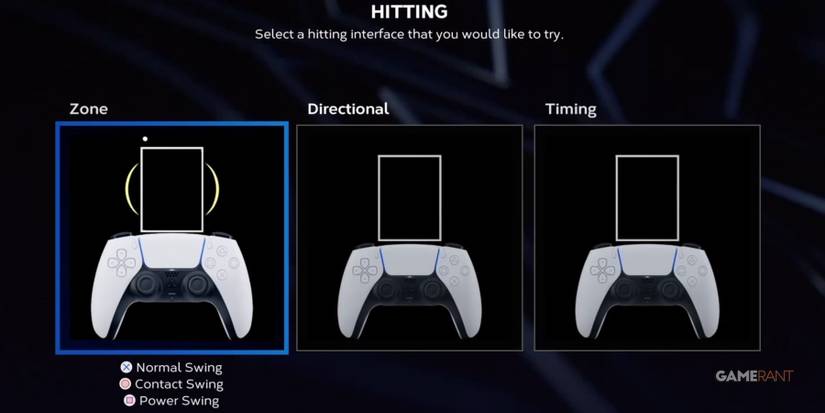
MLB The Show 25 empowers players to tailor their hitting experience through a suite of customizable settings, each of which can dramatically influence timing dynamics. The “Zone Hitting” setting, for instance, replaces the traditional timing meter with a predictive interface, allowing players to see the likely pitch location before committing to a swing. This can be a game-changer for players who struggle with timing, as it shifts the focus from reflexes to pitch recognition. Conversely, the “Pure Analog” setting demands a higher level of precision, requiring players to time their swings manually without visual aids.
Other settings, such as “Contact Hitter” or “Power Hitter,” adjust the timing thresholds to favor either quick, compact swings or longer, more deliberate motions. Experimenting with these settings in practice modes can help players identify which configuration best suits their playstyle. Additionally, players can fine-tune their timing by adjusting the “Batting Load” and “Swing Timing” sliders, which control the delay between the pitcher’s release and the bat’s initiation. Finding the right balance here is crucial, as too much delay can lead to late swings, while too little can result in over-aggressive whiffs.
Advanced Timing Techniques: The Art of the Late Swing
For players looking to take their timing to the next level, mastering the “late swing” technique can be a potent weapon. This approach involves delaying the initiation of the swing until the last possible moment, allowing the hitter to gather more information about the pitch’s movement before committing. The late swing is particularly effective against pitchers with high spin rates or late-breaking pitches, as it gives the hitter more time to adjust to the ball’s trajectory.
Executing a late swing requires a combination of patience, pitch recognition, and precise timing. Players must resist the urge to swing early, instead focusing on tracking the ball’s spin and movement as it approaches the plate. This technique is not without risk—swinging too late can result in weak contact or complete whiffs—but when executed correctly, it can lead to devastating results. In MLB The Show 25, practicing the late swing in the game’s batting practice or online modes can help players develop the discipline and timing necessary to deploy it effectively in high-pressure situations.
Timing in Different Game Modes: Adapting to the Challenge
The demands of timing vary significantly across MLB The Show 25’s game modes, each presenting unique challenges and opportunities. In Road to the Show, where players control a single hitter over a season, timing becomes a long-term skill to refine, with each at-bat offering a chance to adjust based on pitcher tendencies and situational context. The mode’s narrative-driven structure encourages players to develop a deep understanding of their character’s strengths and weaknesses, allowing them to tailor their timing approach accordingly.
In Franchise Mode, timing takes on a strategic dimension, as players must balance the development of their hitters with in-game performance. Managing fatigue and stamina becomes crucial, as tired hitters may struggle to maintain the precision required for optimal timing. Additionally, the mode’s depth allows players to experiment with different hitting settings and approaches, tailoring their strategies to exploit specific pitcher weaknesses.
Online play, particularly in Ranked Seasons or Co-op modes, demands the highest level of timing precision, as players face unpredictable pitching styles and high-stakes scenarios. The pressure of online competition forces players to rely on their honed timing skills, often making split-second decisions that can determine the outcome of a game. Adapting to these challenges requires not only technical proficiency but also mental resilience, as the ability to stay calm under pressure can be the difference between a walk-off hit and a heartbreaking loss.
Common Timing Pitfalls and How to Avoid Them
Even the most skilled players in MLB The Show 25 fall victim to timing-related mistakes, often due to overconfidence or a lack of adaptability. One of the most common pitfalls is the “early swing,” where players commit to a swing before the pitch has fully revealed its trajectory. This often results in weak contact or complete whiffs, as the hitter’s timing is thrown off by the ball’s movement. To avoid this, players should focus on tracking the ball’s spin and release point, waiting until the last possible moment to initiate their swing.
Another frequent mistake is the “late swing,” where players delay their swing for too long, causing them to miss the timing window entirely. This can happen when a hitter becomes overly cautious or fails to recognize the pitch type early enough. To counter this, players should practice recognizing pitch types quickly and adjusting their timing accordingly. Additionally, over-reliance on certain hitting settings can lead to predictable timing patterns, making it easier for pitchers to exploit weaknesses. Mixing up your approach and experimenting with different settings can help keep pitchers guessing.
Conclusion: The Path to Timing Mastery
Timing in MLB The Show 25 is more than a mechanic—it’s the heartbeat of offensive success. By understanding the nuances of swing timing, contact timing, and pitch recognition, players can elevate their game from mere button-mashing to strategic, high-precision hitting. Whether you’re fine-tuning your settings, practicing the late swing, or adapting to different game modes, the key to mastery lies in patience, practice, and adaptability. With these tools at your disposal, you’ll be well on your way to unlocking the secret to perfect swings and dominating the virtual diamond.