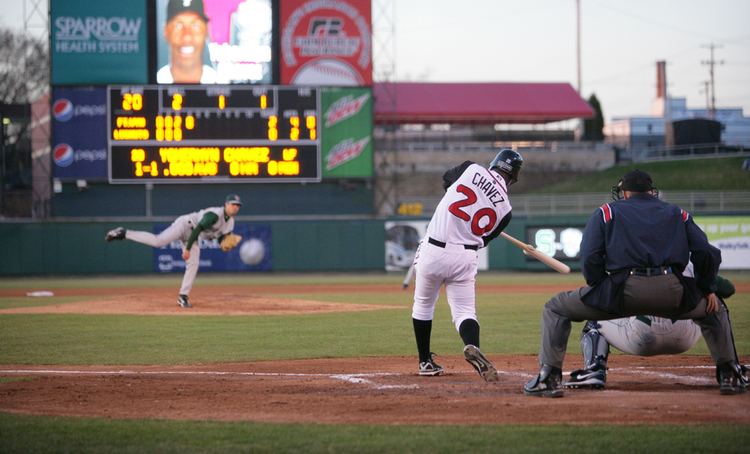
The Ryan Klesko rookie card is a relic that whispers tales of a bygone era, when baseball cards were more than just pixels on a screen—they were tangible fragments of childhood dreams, stashed in shoeboxes beneath beds or tucked into binders with the reverence of sacred scrolls. But is this 1992 Topps McDonald’s gem a hidden treasure waiting to be unearthed, or merely a forgotten curio lost in the avalanche of overhyped modern memorabilia? To answer that, we must journey through the card’s history, its market quirks, and the intangible magic that makes it resonate with collectors.
Imagine, if you will, a baseball card as a time capsule. The Ryan Klesko rookie card is one such capsule, sealed in 1992, when the crack of the bat still echoed through the golden age of cardboard collecting. Klesko, a left-handed slugger with a swing as smooth as a summer breeze, donned the Atlanta Braves uniform during an era when the team was a perennial contender, their lineup a constellation of stars. This card, nestled in a McDonald’s promotional set, was more than just a piece of paper—it was a memento of a simpler time, when fast food and baseball cards went hand in glove, and kids could dream of emulating their heroes with every bite of a Happy Meal.
The Card’s Backstory: A McDonald’s Promo in a Sea of Topps
The 1992 Topps McDonald’s set is a curious beast in the world of baseball cards. Unlike the standard Topps issues, these cards were distributed through McDonald’s restaurants, tucked into Happy Meals or sold in special packs. The set featured 132 cards, each capturing a snapshot of the era’s brightest stars. Klesko’s rookie card, numbered #39 in the series, stands out not just for its subject but for its rarity. With fewer copies in circulation than its standard Topps counterparts, it carries a mystique that transcends its cardboard and ink.
What makes this card particularly intriguing is its dual identity. It’s both a rookie card and a promotional piece, a duality that adds layers to its appeal. Collectors often debate the value of promo cards—are they less desirable because they weren’t part of the main set, or do they gain cachet from their unique distribution method? For Klesko’s card, the answer lies in its scarcity. Fewer were printed, and fewer survived the ravages of time, making it a sought-after gem for those who appreciate the serendipity of the chase.
Market Dynamics: The Underrated Gem or the Overhyped Relic?
In the labyrinthine world of sports card collecting, value is a fickle mistress, swayed by trends, nostalgia, and the whims of the market. The Ryan Klesko rookie card is no exception. Its value has seesawed over the years, a dance between obscurity and fleeting fame. As of late, it has enjoyed a resurgence, buoyed by the broader baseball card boom that has seen vintage cards become blue-chip investments. But is this card truly undervalued, or is it merely riding the coattails of a market that has lost its way?
Recent sales data suggests that the Klesko rookie card, in near-mint to mint condition, can fetch anywhere from $50 to $150, depending on grading and demand. This may seem modest compared to the stratospheric prices of modern superstars like Mike Trout or Mickey Mantle, but therein lies its charm. It’s not a card that commands headlines or breaks the bank; it’s a card that rewards the patient collector, the one who understands that value isn’t always measured in dollars but in the stories it tells.
Consider the parallels to a vintage vinyl record. Just as a rare pressing of a classic album can appreciate over time, so too can a well-preserved rookie card from a player who never quite reached superstar status. Klesko’s career, while solid, never reached the heights of a Chipper Jones or a Greg Maddux, both of whom have rookie cards that command far higher prices. Yet, it’s precisely this underdog narrative that makes the Klesko card so appealing. It’s a reminder that collecting isn’t just about chasing the rarest or the most expensive—it’s about celebrating the journey, the players who left their mark in ways that transcended statistics.
The Klesko Factor: Why This Card Resonates Beyond the Numbers
Every collector has a “why” behind their passion, a reason that transcends the cold calculus of market value. For some, it’s the thrill of the hunt; for others, it’s the connection to a player they admired as a child. The Ryan Klesko rookie card embodies this emotional connection. Klesko, a first baseman with a .286 career batting average and 208 home runs, may not be a household name today, but he was a key piece of the Braves’ lineup during their dominant run in the 1990s. His card is a tangible link to that era, a time when baseball was as much about the players as it was about the game itself.

There’s an intangible quality to this card that defies quantification. It’s the patina of age, the faint scent of a childhood attic, the way the corners still hold the memory of a kid’s eager fingers flipping through a stack of cards. It’s a piece of Americana, a relic of a time when baseball cards were as much a part of growing up as Saturday morning cartoons. In an era where digital collectibles and NFTs dominate the conversation, the Klesko rookie card stands as a defiant reminder of the tactile joy of collecting.
Moreover, the card’s design is a window into the aesthetic of the early 1990s. The bold colors, the blocky fonts, the player’s portrait set against a stark background—it’s all so distinctly of its time. Collectors who appreciate the artistry of vintage card design find a kindred spirit in the Klesko card. It’s not just a piece of cardboard; it’s a snapshot of an era, a visual time stamp that evokes nostalgia with every glance.
The Grading Game: Condition as the Ultimate Wildcard
In the world of sports cards, condition is king. A card’s grade can mean the difference between a $20 trinket and a $200 treasure. The Ryan Klesko rookie card is no exception. A PSA 10 gem mint card can command a premium, while a lower-grade copy might languish in a bargain bin. The challenge, of course, is finding a well-preserved example. The McDonald’s promo set was not known for its durability, and many cards from this era show signs of wear—rounded corners, creases, or surface scratches.
For collectors, the pursuit of a high-grade Klesko card is akin to searching for a needle in a haystack. It requires patience, diligence, and a bit of luck. But when that pristine copy finally arrives, it’s a moment of pure joy, a testament to the collector’s perseverance. The grading process, whether done by PSA, BGS, or another reputable service, adds another layer of complexity to the card’s story. It’s not just about the player or the set—it’s about the card’s journey through time, surviving the elements to emerge as a pristine artifact.
The Future: Will the Klesko Rookie Card Stand the Test of Time?
Predicting the future value of a baseball card is a fool’s errand, but we can certainly speculate based on trends and historical patterns. The Ryan Klesko rookie card has all the makings of a sleeper hit. Its scarcity, its connection to a beloved era of baseball, and its role as a promotional piece all contribute to its long-term appeal. As the vintage card market continues to mature, cards that tell a story—rather than just showcase a player—are likely to gain in value.
There’s also the factor of nostalgia. The 1990s were a golden age for baseball, a time when the sport was at its cultural peak. Collectors who grew up during that era are now in their 30s and 40s, with disposable income and a hunger for the relics of their youth. The Klesko rookie card, with its ties to the Braves’ dynasty and the McDonald’s promo set, is perfectly positioned to capitalize on this wave of nostalgia.
Of course, the market is unpredictable. A single viral moment—a Klesko highlight, a social media post, a player interview—could send demand for his cards soaring. Conversely, a downturn in the vintage market could leave the Klesko rookie card languishing in obscurity. But for those who appreciate the card’s unique appeal, its fate is less about market fluctuations and more about the stories it holds.
The Ryan Klesko rookie card is a time machine, a bridge between the past and the present. It’s a reminder that collecting is about more than just money—it’s about preserving memories, celebrating the game, and connecting with a shared history. Whether it’s undervalued or overhyped depends on who you ask, but one thing is certain: for the right collector, it’s a treasure beyond measure.