The crack of the bat, the roar of the crowd, the sudden hush as a ball soars toward the outfield—these are the sounds that define baseball’s heartbeat. Yet, among them, one noise stands apart: the resonant metallic clang of a ball striking the foul pole. It’s not just a sound; it’s a declaration. A triumphant exclamation mark in the symphony of the game. When a baseball meets the foul pole, it’s not merely physics at play—it’s fate, geometry, and the unspoken rules of a sport steeped in tradition. This is the story of the “dong,” a noise that echoes through stadiums, lingers in memory, and crystallizes the essence of baseball’s unpredictable beauty.
The Physics Behind the “Dong”: A Symphony of Collision and Consequence
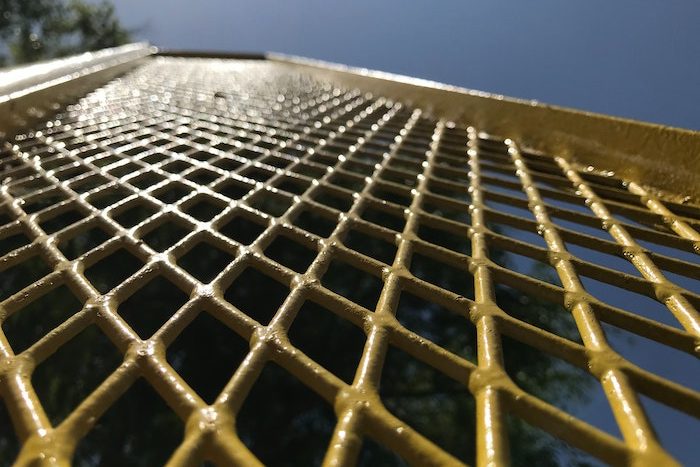
At first glance, the foul pole appears as a slender sentinel, a vertical rod rising from the outfield wall, topped with a small flag fluttering in the breeze. But when a baseball hurtles toward it at speeds exceeding 90 miles per hour, the pole transforms into an unlikely percussion instrument. The collision is a study in kinetic energy, elasticity, and geometry. The ball, a sphere of tightly wound yarn and cowhide, meets the pole—a hollow metal tube—at an angle dictated by the batter’s swing and the pitcher’s delivery. The resulting sound is a complex interplay of vibrations, where the pole’s hollow structure amplifies the impact, producing a deep, resonant “dong” that resonates through the stadium.
What makes this sound so distinctive is its duration. Unlike the sharp crack of a bat or the dull thud of a ball hitting the ground, the “dong” lingers. It’s a sustained note, a metallic hum that hangs in the air like the afterimage of a lightning strike. This phenomenon occurs because the pole, though rigid, is not immovable. It flexes slightly upon impact, absorbing and then releasing energy in a wave that travels through the metal before dissipating into the atmosphere. The sound is not just heard; it’s felt, a visceral reminder of the raw power unleashed in every pitch and swing.
The Foul Pole as Architect of Drama: Geometry and the Rules of Engagement
The foul pole is more than a boundary marker; it’s a silent arbiter of baseball’s most pivotal moments. Its placement at the corner of the outfield wall is no accident. It stands at a precise 90-degree angle to the foul lines, a geometric necessity that ensures fairness. A ball that touches the pole is, by rule, a home run—a gift to the batter and a curse to the fielders who watched it sail just out of reach. This rule transforms the pole from a mere object into a character in the game’s narrative, a momentary savior or villain depending on which team you support.
Consider the geometry of a ball’s trajectory. A line drive that just grazes the pole is a home run, while one that misses by inches is a foul ball. The difference between victory and defeat can hinge on a fraction of an inch, a margin so thin it’s almost imperceptible. This razor’s edge is what makes the foul pole’s “dong” so thrilling. It’s the audible manifestation of baseball’s cruelest joke: a split second that can define a season, a career, or a legacy. The pole doesn’t just mark the boundary; it magnifies the stakes, turning a routine play into a spectacle.
The Cultural Resonance of the “Dong”: A Sound That Echoes Through Time
Beyond its physical properties, the “dong” of the foul pole carries cultural weight. It’s a sound that transcends the game itself, embedding itself in the collective consciousness of baseball fans. For generations, the noise has been a symbol of hope, despair, and the unpredictable nature of sport. It’s the sound of a child’s first home run, the echo of a walk-off victory in the World Series, or the groan of a team’s last-gasp defeat. The “dong” is aural shorthand for baseball’s emotional rollercoaster, a noise that can make a fan’s heart soar or shatter in an instant.
This cultural resonance is amplified by the pole’s visibility. Unlike other elements of the game that unfold in the shadows of the infield or the depths of the outfield, the foul pole is always in sight. It stands tall, a sentinel watching over every pitch, every swing. When a ball strikes it, the sound is not just heard by those in the stadium; it’s broadcast to millions of viewers at home, a shared experience that binds fans across generations. The “dong” is a unifying force, a moment of collective breath-holding that ends in either jubilation or silence.
The Psychology of the “Dong”: Why It Sticks With Us
Why does the sound of a ball hitting the foul pole linger in our memories long after the game has ended? The answer lies in the psychology of anticipation and reward. Baseball is a game of delayed gratification, where the payoff for a batter’s effort can take minutes—or even innings—to materialize. The “dong” is the sudden, unambiguous reward for that patience. It’s the sound of a gamble paying off, of a calculated risk bearing fruit. This psychological payoff is why the noise is so satisfying, why it feels like a just reward for the hours spent practicing, strategizing, and enduring the game’s inherent uncertainties.
Moreover, the “dong” is a sound of finality. Unlike other baseball sounds—like the swish of a curveball or the rustle of a glove—it marks the end of a play. There’s no ambiguity. The ball is either fair or foul, and the pole’s verdict is absolute. This clarity is rare in a sport where interpretation and judgment often blur the lines between success and failure. The “dong” cuts through the noise, offering a moment of pure, unadulterated truth. It’s a sound that satisfies our human craving for resolution, for a clear answer in a world of gray.
The Aesthetic Appeal: Why the “Dong” Feels Like Poetry
There’s an undeniable poetry to the “dong” of the foul pole. It’s a sound that feels both ancient and modern, a relic of baseball’s past that continues to resonate in the digital age. The noise is a reminder of the game’s timelessness, of the way it connects us to players and fans from decades—or even centuries—past. Yet, it’s also a product of cutting-edge technology, a collision of materials and physics that could only exist in the 21st century. This duality gives the “dong” a mythic quality, as if it’s a sound that has always existed and will always exist, regardless of how the game evolves.
The aesthetic appeal of the “dong” is further enhanced by its rarity. Unlike the constant hum of the crowd or the rhythmic clapping of the seventh-inning stretch, the “dong” is a fleeting moment, a sound that occurs only a handful of times in a game. Its infrequency makes it all the more precious, a sonic treasure that fans cherish and replay in their minds. When a ball strikes the pole, it’s not just a home run; it’s a work of art, a spontaneous composition that captures the essence of baseball in a single, unforgettable note.
The Legacy of the “Dong”: A Sound That Defines Baseball’s Soul
In the grand tapestry of baseball, the “dong” of the foul pole is more than a sound—it’s a symbol. It represents the game’s unpredictability, its capacity for drama, and its ability to turn the ordinary into the extraordinary. It’s a reminder that in baseball, as in life, the smallest moments can have the biggest consequences. The foul pole doesn’t just mark the boundary between fair and foul; it marks the boundary between what was and what could be, between failure and redemption, between defeat and glory.
As the game continues to evolve, with technology and analytics reshaping how it’s played and experienced, the “dong” remains a constant. It’s a sound that connects the past to the present, a thread that weaves through the history of the sport. Whether heard in a packed stadium or through the speakers of a smartphone, the “dong” is a timeless melody, a reminder of why baseball has captivated hearts for generations. It’s the sound of possibility, the echo of a dream realized, and the anthem of a game that, at its core, is about the thrill of the chase and the joy of the moment.



![Why I’m Fading [Highly Ranked Pitcher] Due to Injury History](https://zellspinstripeblog.com/wp-content/uploads/2026/04/Running-injury-not-healing-RunTeach.jpg)