Baseball, often heralded as America’s pastime, thrives not only on the skill exhibited on the diamond but also on the unpredictable moments that ignite passionate debates and evoke a tapestry of emotions. Among such moments, fan interference in Major League Baseball stands out as a captivating intersection of chance, ethics, and the very essence of fair play. One memorable incident recently spotlighted an Astros fan, whose actions—or alleged actions—reverberated through the sport, preserving a home run for the “wrong” team. This event captures both the inherent drama of the game and a broader fascination that transcends mere statistics or scores.
The Anatomy of Fan Interference in Baseball
Fan interference is one of those rare yet enthralling rulings in baseball that complicates the purity of the game. It occurs when a spectator reaches into the playing field or otherwise impedes a player’s opportunity to make a legitimate play on a ball in flight. The rule, deeply rooted in preserving fairness, delineates clear boundaries between the stands and the field of play. Nevertheless, fan interference exists in a gray area where the fervor of the fans and the sanctity of the game often collapse into ambiguity.
Unlike many sports where fan involvement is vocal but intangible, baseball’s relatively static venue configuration means fans sit perilously close to the action, especially near outfield fences. This proximity physically beckons certain “halo moments” where fan intervention can tangibly alter outcomes, blurring lines between enthusiastic support and unsportsmanlike conduct. The occurrence of fan interference pulls into sharp relief the delicate balance MLB strives to maintain: preserving the unpredictable magic of live attendance without undermining game integrity.
The Event that Sparked Controversy: An Astros Fan and an Overturned Home Run
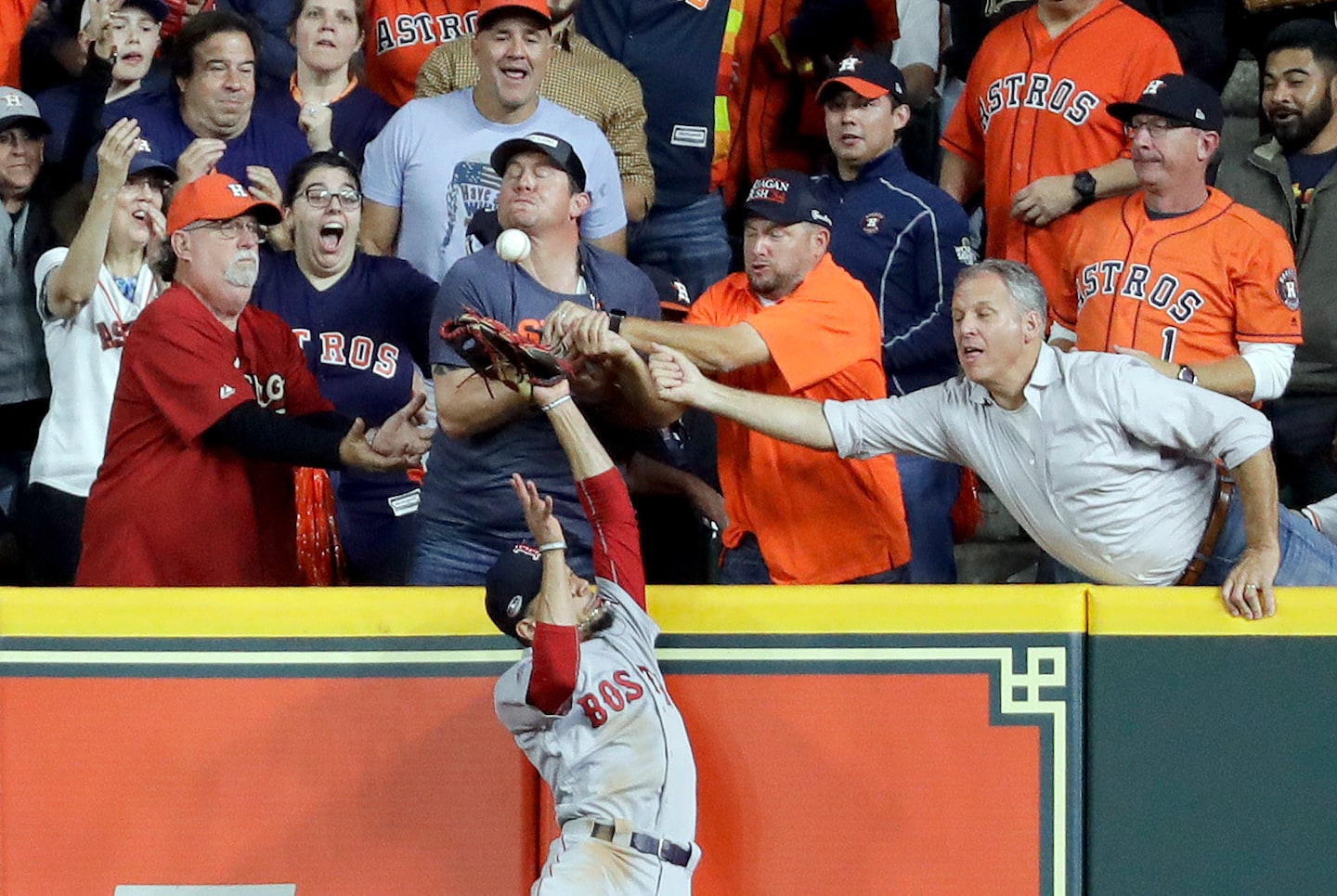
The narrative of an Astros fan allegedly interfering during a pivotal home run moment encapsulates this tension vividly. The play in question involved a towering fly ball, seemingly destined to clear the outfield fence—a definitive score that would have escalated the game’s intensity. However, controversy ignited when officials reviewed the play and initially ruled the home run foul, citing interference.
The uproar was immediate. Fans and commentators dissected video footage, scrutinized each frame, and debated intent versus incidental contact. The Astros supporter denied any wrongdoing, asserting innocence and emphasizing the difference between reaching into the field and simply trying to catch a foul ball in the stands. This denial did little to quell the fervor but instead added layers of complexity concerning human behavior, perception, and the limits of rules enforcement in the digital age.
Implications of Fan Interference on the Outcome and Perception of Fair Play
Fan interference decisions do more than alter the scorecard—they strike at the heart of baseball’s ethos. The overturned home run, benefitting one team but mired in the shadow of potential fan misconduct, forces stakeholders to confront uncomfortable questions. How should MLB weigh the spirit of competition against the reality of deeply invested spectators? What message does it send when a team benefits from a call tainted by off-field involvement?
Moreover, these moments provoke broader discourse about the capricious nature of fate in sports. For fans of the “wrong” team—the ones denied a legitimate home run in this case—it becomes a lingering grievance, an emblem of luck turned against them. Conversely, the benefiting team grapples with an asterisk of sorts: a score achieved under contentious circumstances, forever inviting second-guessing and skepticism.
The Psychological and Sociological Dimensions of Fan Behavior in Baseball
To truly appreciate the magnetism of fan interference incidents, one must peer beyond the technicalities and into the human psyche. Baseball fans embody an extraordinary passion, often feeling a profound sense of ownership and identity rooted in their team’s fortunes. This attachment can spur impulses to influence outcomes, consciously or unconsciously, fostering a complex mosaic of motivations behind fan interference episodes.
Sociologically, such moments highlight the thin veil separating spectator from participant. The stadium acts as a liminal space where roles dissolve temporarily; fans become extensions of their teams’ will, navigating a precarious boundary between lawful enthusiasm and overstepping unwritten social contracts. This tension feeds a collective intrigue—why certain fans act as they do during high-stakes plays—and raises questions about crowd dynamics in competitive sports environments.
Technological Advances and Their Role in Policing Fan Interference
The advent of instant replay and high-definition broadcast angles has revolutionized how fan interference incidents are adjudicated. Where once umpires relied solely on reflex and vantage point, today’s officials employ a panoply of technological tools to dissect every nuance. This shift towards precision aims to uphold fairness but simultaneously introduces new challenges, such as protracted reviews that disrupt game flow and amplify fan anxiety.
These technologies also amplify public scrutiny and extend the audience beyond stadium confines. Fans worldwide can witness and debate every aspect, democratizing commentary but also intensifying pressure on officials to resolve disputes flawlessly. The Astros fan interference episode epitomizes this dynamic: a single moment replayed endlessly, subject to myriad interpretations, emblematic of baseball’s evolving relationship with its most powerful lens—technology.
Lessons for MLB and the Fan Community Moving Forward
Events like the no-home-run fan interference incident serve as critical touchstones for MLB and its constituencies. For the league, they underscore the need for clear, consistent guidelines and communication regarding what constitutes interference and how it is handled. Enhancing fan education about these boundaries could mitigate future uncertainties and foster a culture of respect and sportsmanship.
For the fan community, such episodes provide a mirror reflecting the intense devotion—and sometimes blurred judgment—that fuels the sport’s popularity. Recognizing the consequences of crossing lines, intentional or not, may cultivate greater mindfulness among spectators, balancing passion with propriety.
Ultimately, baseball thrives on its unpredictability. While certain moments, such as fan interference calls, jar conventional expectations, they also enrich the game with stories that endure far beyond the final score. It is this blend of skill, chance, and human drama that cements baseball’s place not just in sports history, but within the collective imagination of its followers.


![Why I’m Fading [Highly Ranked Pitcher] Due to Injury History](https://zellspinstripeblog.com/wp-content/uploads/2026/04/Running-injury-not-healing-RunTeach.jpg)