The crack of the bat, the roar of the crowd, the palpable tension in the air—baseball is a sport steeped in tradition, yet it thrives on the unpredictable. Amidst the ebb and flow of a long season, a phenomenon known as the “Fear of Missing Out” (FOMO) takes hold among fans, particularly when a player or team embarks on a hot streak. This psychological undercurrent isn’t just about keeping up with scores or stats; it’s about the visceral need to be part of something extraordinary, to witness history in the making before it slips away. Whether it’s a batter’s 20-game hitting streak or a pitcher’s no-hitter, the fear of missing out on these fleeting moments drives fans to engage more deeply with the game. This article explores the multifaceted ways FOMO manifests in baseball, from the emotional investment in players to the surge in content consumption, and how it shapes the modern fan experience.
The Allure of the Hot Streak: Why Streaks Command Attention
Hot streaks in baseball are more than statistical anomalies; they are narratives that captivate audiences. A player’s 20-game hitting streak isn’t just a series of at-bats—it’s a story of perseverance, skill, and sometimes sheer luck. Fans are drawn to these streaks because they defy the law of averages, offering a glimpse into the sublime. The fear of missing out on witnessing such a streak in real-time compels fans to follow games religiously, lest they be left out of the collective memory of a historic run. This phenomenon isn’t limited to individual players; team streaks, like a 10-game winning streak, create a sense of urgency among fans to stay connected, knowing that each game could be a chapter in an unforgettable saga.
The psychological pull of streaks is rooted in the human fascination with patterns and outliers. Baseball, with its rich statistical history, provides the perfect canvas for these narratives. Fans don’t just want to know the outcome; they want to be part of the journey, to feel the highs and lows alongside the players. This emotional investment is amplified by the fear of missing out on a defining moment—whether it’s a walk-off home run or a no-hitter that shatters expectations. The result is a heightened level of engagement, as fans scour box scores, highlights, and social media for any morsel of information that might deepen their connection to the streak.
Social Media: The Digital Stadium Where FOMO Thrives
In the digital age, social media has become the modern-day bleachers, where fans gather to share their excitement—and their FOMO. Platforms like Twitter, Instagram, and TikTok have transformed the way fans consume baseball, turning every pitch into a potential viral moment. When a player goes on a hot streak, social media becomes a hive of activity, with fans posting reactions, memes, and analyses in real-time. The fear of missing out on a trending topic or a breaking news alert drives fans to stay glued to their screens, lest they be left out of the conversation.
The immediacy of social media also amplifies the emotional stakes. A walk-off home run isn’t just a game-ending play; it’s a moment that floods timelines within seconds, creating a sense of urgency among fans to react, share, and engage. The fear of missing out on being part of the collective celebration—or the collective groaning—pushes fans to participate actively, whether by posting their own reactions or retweeting highlights. This digital camaraderie fosters a sense of belonging, but it also heightens the fear of being left behind, of not being in the know when the next big moment occurs.
Moreover, social media platforms have given rise to a new breed of baseball content creators who specialize in breaking down streaks and trends. These creators, often former players or analysts, provide in-depth breakdowns of a player’s mechanics or a team’s strategy, catering to fans who crave a deeper understanding of the game. The fear of missing out on these insights drives fans to follow their favorite analysts, knowing that their commentary might reveal the secret behind a player’s hot streak—or the reason it’s about to end.
Fantasy Baseball and the Gamble of the Hot Hand
For fantasy baseball enthusiasts, a player’s hot streak isn’t just a spectacle—it’s a golden opportunity. The fear of missing out on the next big performance drives fantasy managers to constantly monitor their lineups, scouring the waiver wire for players who might be riding a wave of success. A 10-game hitting streak isn’t just a reason to celebrate; it’s a signal to start a player in your lineup, even if it means benching a more consistent performer. The gamble of riding a hot hand is a high-stakes endeavor, where the fear of missing out on a breakout performance can lead to impulsive decisions.
The psychological underpinnings of this behavior are rooted in the concept of “streaky play,” where players experience periods of heightened performance that defy statistical norms. Fantasy managers are acutely aware of this phenomenon, and the fear of missing out on a player’s hot streak drives them to make bold moves, such as trading for a struggling but potentially streaky player or streaming a little-known pitcher who’s suddenly striking out batters with ease. The result is a dynamic and often unpredictable fantasy landscape, where the fear of missing out on the next big thing keeps managers on their toes.
However, the gamble of the hot hand isn’t without its pitfalls. The fear of missing out can lead to overvaluing a player’s recent performance, ignoring the larger sample size of their career stats. This cognitive bias, known as the “hot hand fallacy,” can result in costly mistakes, as fantasy managers chase streaks that are statistically unlikely to continue. Yet, the thrill of being right—of riding a hot streak to a fantasy championship—keeps managers coming back, driven by the fear of missing out on the next big opportunity.
Live Game Experiences: The Fear of Missing the Next Iconic Moment
For fans who attend games in person, the fear of missing out on an iconic moment is a palpable force. The crack of the bat, the roar of the crowd, the tension in the air—these are experiences that can’t be replicated by watching at home. When a player goes on a hot streak, the demand for tickets skyrockets, as fans rush to secure their spot in the stadium, knowing that each game could be the site of history. The fear of missing out on a walk-off home run or a no-hitter drives fans to prioritize attending games, even if it means spending a small fortune on last-minute tickets.
The live game experience is also where the fear of missing out intersects with the communal aspect of baseball. Fans don’t just want to witness a hot streak; they want to share the experience with fellow enthusiasts, to feel the collective energy of the crowd as a player steps up to the plate. The fear of missing out on this shared excitement pushes fans to plan their schedules around games, to travel to different cities, or to splurge on premium seats. For die-hard fans, the fear of missing out isn’t just about the game—it’s about being part of a tradition, a legacy that spans generations.
Moreover, the live game experience has evolved with technology, as fans use apps and social media to enhance their in-stadium experience. From live-tweeting plays to participating in stadium-wide polls, fans are constantly seeking ways to deepen their engagement. The fear of missing out on a trending moment or a viral challenge drives fans to stay connected, even while they’re physically present in the ballpark. This digital-physical hybrid experience ensures that the fear of missing out isn’t limited to those watching from afar—it’s a force that shapes the in-person experience as well.
Documentaries and Long-Form Content: Reliving the Streak
When a hot streak ends, the fear of missing out doesn’t dissipate—it evolves. Fans who weren’t able to witness the streak in real-time turn to long-form content to relive the magic. Documentaries, podcasts, and in-depth articles offer a retrospective look at a player’s journey, providing context and analysis that deepen the appreciation for the streak. The fear of missing out on understanding the nuances of a historic run drives fans to consume this content, knowing that it might reveal the hidden factors behind a player’s success.
For example, a documentary on a pitcher’s no-hitter might explore their training regimen, their mental preparation, or the role of their teammates in setting the stage for the historic performance. The fear of missing out on these insights pushes fans to seek out multiple sources, comparing different perspectives to form a comprehensive understanding of the streak. This type of content also fosters a sense of nostalgia, as fans revisit the moments that defined the streak, reliving the highs and lows alongside the players.
Long-form content also serves as a bridge between generations of fans, connecting those who witnessed the streak in real-time with those who are discovering it for the first time. The fear of missing out on this shared history drives fans to engage with archival footage, interviews, and analyses, ensuring that the legacy of the streak endures. Whether it’s a podcast episode dissecting a player’s mechanics or a written retrospective on a team’s championship run, the fear of missing out on the full story keeps fans coming back for more.
Merchandise and Memorabilia: Owning a Piece of the Streak
The fear of missing out extends beyond the digital and experiential realms—it also drives demand for merchandise and memorabilia. When a player goes on a hot streak, jerseys, hats, and other gear featuring their name or number fly off the shelves. Fans rush to purchase these items, not just as a show of support, but as a way to own a piece of the streak. The fear of missing out on being able to wear the jersey of a player who’s making history pushes fans to act quickly, knowing that inventory might sell out before the streak ends.
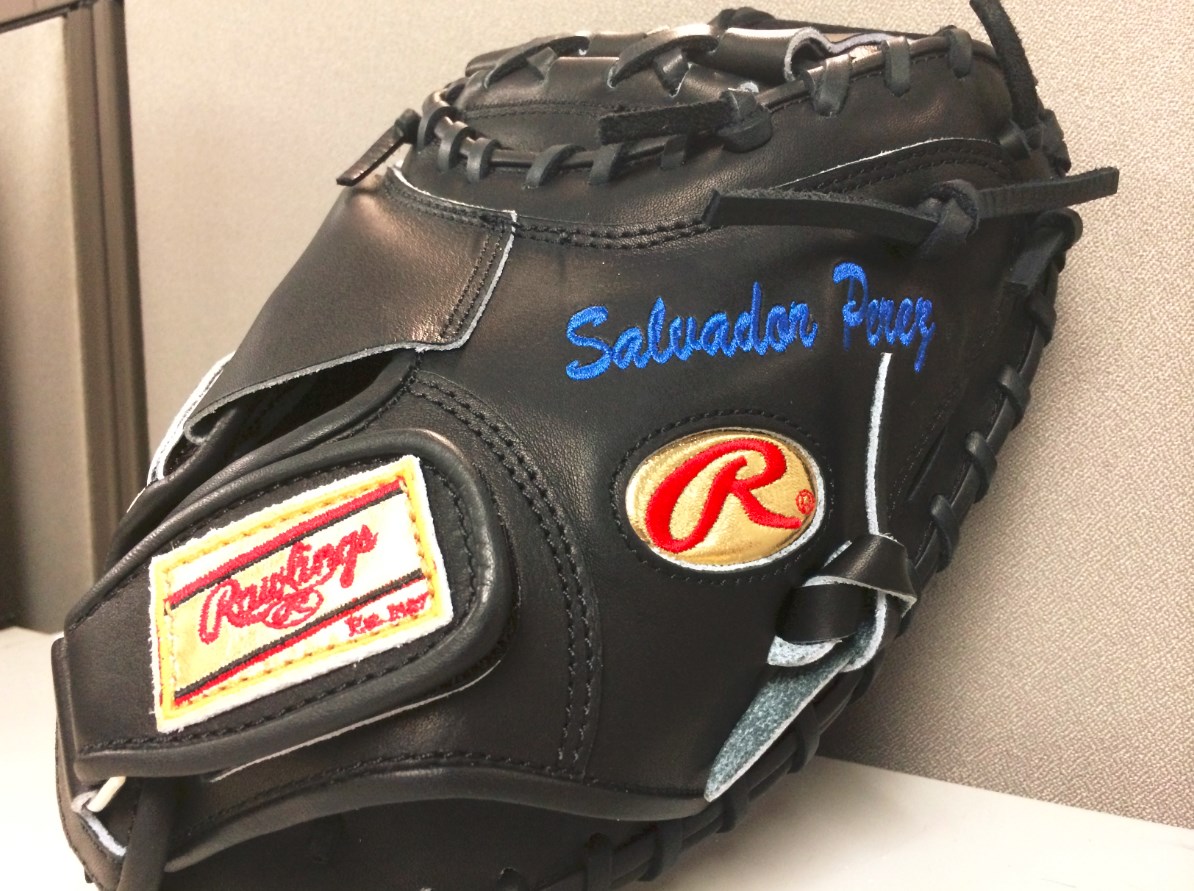
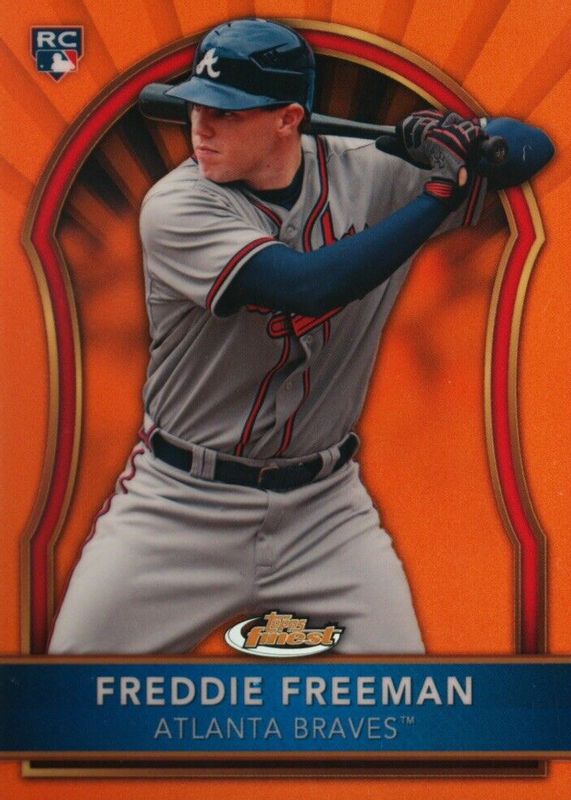
Memorabilia takes this a step further, offering fans the chance to own a tangible piece of a historic moment. A game-used bat from a player’s 20-game hitting streak or a ticket stub from a no-hitter becomes a cherished possession, a reminder of a fleeting moment that captivated the baseball world. The fear of missing out on owning such an item drives fans to bid aggressively at auctions or to scour online marketplaces for rare collectibles. For some, the fear of missing out isn’t just about witnessing the streak—it’s about preserving it, ensuring that they have a physical connection to a moment that might never be replicated.
This demand for merchandise and memorabilia also has a ripple effect on the secondary market, where prices for related items can skyrocket. The fear of missing out on a good deal—or worse, missing out on the item entirely—pushes fans to monitor listings constantly, ready to pounce at a moment’s notice. The result is a market that thrives on scarcity and urgency, where the fear of missing out drives both supply and demand.