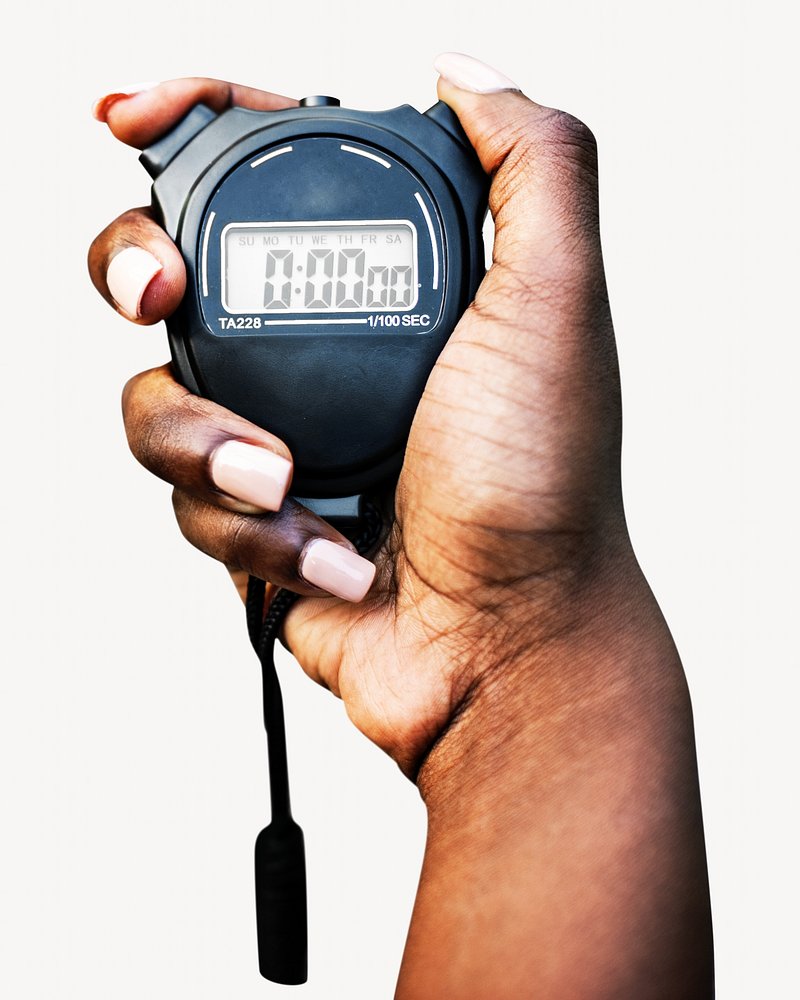
In the dynamic and often intense atmosphere of a Major League Baseball bullpen, one might find themselves curious about the figure who stands quietly, uncloaked in the shadows of the mound, clutching a stopwatch with a steady gaze. What role does this subtle, often overlooked individual play? Can the measured ticks of their timepiece influence the outcome of the game as much as the fiery pitches or the crack of the bat? This enigmatic figure, frequently referred to as the “Strider,” is more critical than many give credit for, occupying a niche that blends science, strategy, and anticipation in the very heartbeat of the bullpen.
The Anatomy of the Bullpen: Beyond the Pitcher and Catcher
The bullpen, a crucible of tension and strategy, is where relievers await their call to arms. Commonly perceived as a collection of pitchers ready to throw heat or off-speed stuff, the bullpen is, in fact, a meticulously orchestrated environment. Here, every movement and ritual is steeped in purpose. Within this space, the “Strider” emerges as a vital cog, overseeing critical warm-up intervals that can mean the difference between success and failure on the mound.
More than just passive observers, these individuals employ their stopwatch to monitor the exact duration a pitcher takes to warm up. This timing is crucial — too short, and the arm may not reach optimal readiness, risking injury or subpar performance; too long, and the bullpen may fall out of sync with the game’s rhythm, wasting valuable moments that could be decisive in close contests. The “Strider” ensures that the reliever’s ascent to the mound is not a shot in the dark but a finely calibrated transition.
What Defines the “Strider”? A Custodian of Timing and Rhythm
Who exactly is the “Strider”? Often it’s a bullpen coach, a specialized trainer, or a seasoned player tasked with supervising the warm-up process. The term “Strider” itself hints at their constant movement alongside the activity, pacing themselves to the tempo of the reliever’s routine. Armed with a stopwatch, they are guardians of a strict chronology that governs every pitcher’s preparation, fine-tuning the path from bullpen chair to mound delivery.
The Strider’s stopwatch isn’t merely a timekeeping device; it is an arbiter of readiness and prudence. It enforces a delicate balance, curbing temptation to rush into the game prematurely or languish excessively in the bullpen spiral. This measured timing affects physiological factors: muscle elasticity, joint lubrication, and neuromuscular responses—all essential for peak pitching output.
Physiology Meets Strategy: The Science Behind the Stopwatch
When contemplating baseball performance, it is easy to focus solely on metrics like pitch velocity or spin rate. Yet, the physical preparation a pitcher undergoes just before entering the fray is just as consequential. The “Strider’s” stopwatch is intrinsically linked to this biological reality. Research in sports science reinforces the necessity of proper warm-up protocols to prevent arm fatigue and injuries such as tears to the ulnar collateral ligament.
By timing bullpen sessions, the Strider orchestrates a warm-up that optimally primes the pitcher’s kinetic chain—the sequential activation of muscles from the legs through to the fingers. This synchronization is vital; an incomplete warm-up could mean diminished control and velocity, while overzealous timing may invite exhaustion and reduce longevity over the course of a game or season.
Psychological Impact: The Strider’s Role in Mental Readiness
It’s not just the body that benefits from this meticulous timing. The psychological dimension of pitching cannot be underestimated. The “Strider” helps sculpt mental security for the reliever. Knowing that warm-up isn’t hurried or arbitrarily prolonged gives the pitcher a mental edge, allowing them to focus fully on the moment when called upon.
In an arena where confidence is as valuable as raw skill, this structured warm-up can help quell the jitters of stepping into high-pressure situations. The rhythmic passing of seconds, monitored by the Strider, can function almost as a meditative reinforcement—a cue that all systems are go.
Managing Game-time Variables: The Tactical Advantage
Baseball is a game of inches and seconds, where every decision counts. The “Strider” influences tactical elements by precisely adapting warm-up duration to game context—informed by factors like current pitcher workload, game score, inning, and opposing batter tendencies. For example, in tight late-inning scenarios, the margin of error tightens further, and the Strider’s role extends to nuanced judgment calls: Should the pitcher extend warm-up to build extra confidence? Or hasten the timeline to capitalize on momentum?
This tactical flexibility contrasts with the hurried, generic warm-ups that might occur otherwise. In doing so, the Strider becomes an unsung strategist, facilitating the climatic moments that shape season-defining narratives.
The Evolution of the Bullpen and the Rising Prominence of the “Strider”
Over decades, the bullpen’s function has shifted from a mere footnote to a strategic fulcrum in baseball. With greater emphasis on specialized relief pitchers—closers, setup men, lefty specialists—the need for precise preparation intensifies. Modern analytics and biomechanics have further underscored the importance of structured warm-ups. Consequently, the presence of the “Strider” has transformed from an informal practice to an institutionalized component of team operation.
Advanced technology, such as wearable sensors and video analysis, complements the Strider’s stopwatch, creating a comprehensive feedback loop. This fusion of human judgment and data-driven insights permits real-time tailoring of warm-up regimens, which enhances pitcher longevity and efficacy.
The Playful Paradox: Could a Stopwatch Change the Course of an Entire Game?
At first glance, the idea that a mere stopwatch wielded by a seemingly peripheral figure could sway a Major League Baseball game may sound far-fetched. Yet, in a sport where precision, timing, and psychology converge, this is no mere triviality. The “Strider” embodies a fascinating paradox: the smallest, quietest elements often have the largest ripple effects.
Could the measured ticks in that bullpen, marking nuanced timings, be the difference between a player’s flawless entrance and a faltering debut? Could these seconds of preparation decide the fate of a save, the turning point of a playoff series, or even the trajectory of a career? It prompts a playful question but one answered repeatedly on fields across the league: yes, indeed they can.
Ultimately, the “Strider” is a testament to the intricate choreography that underpins baseball excellence—a human metronome conducting the rhythm of readiness, turning preparation into performance with every tick of the stopwatch.