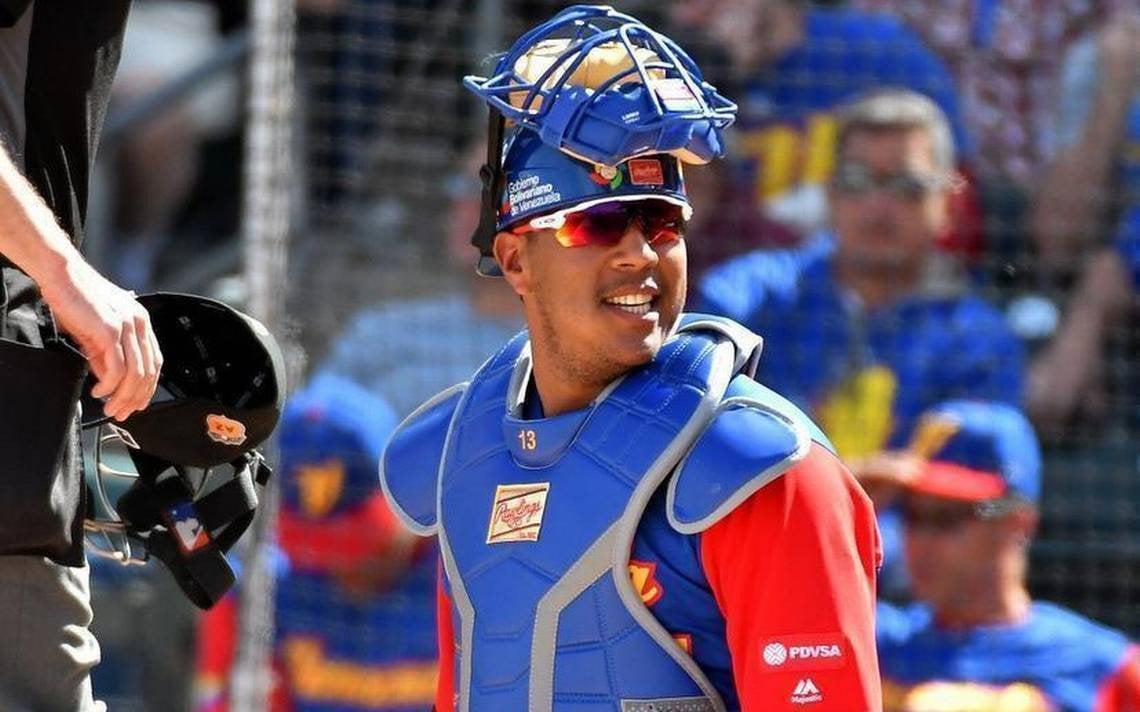
In the intricate tapestry of fantasy baseball, one strategy has quietly endured, captivating fantasy managers who seek to maximize value where others frequently hesitate: the late-round catcher selection. While catchers often languish in the draft’s twilight hours, these players possess a mystique that belies their perceived scarcity. This tactic not only challenges conventional wisdom but also reveals a nuanced understanding of positional value, roster construction, and the often-overlooked idiosyncrasies of the catcher position. The allure of the late-round catcher strategy invites a deeper exploration into why it remains an effective and, for many, indispensable approach in fantasy baseball leagues.
The Enigmatic Value of the Catcher Position
Catchers have long been enigmatic assets in fantasy baseball. Unlike the more offensively prolific positions, catchers often lag in traditional metrics such as batting average, home runs, and runs batted in. Yet their defensive responsibilities and the grueling nature of their role on the field often lead to undervaluation in fantasy drafts. Many managers avoid investing early picks in catchers, perceiving them as replaceable or prone to injury. This collective hesitance paves the way for savvy players to capitalize on the positional scarcity by waiting until the late rounds to secure catchers who can outproduce expectations.
The fascination with catchers stems from a paradox: while they rarely dominate leaderboards, their unique skill set and the difficulty of consistent high-level performance create a niche where strategic acumen can flourish. Catchers that provide even modest offensive contributions while staying healthy become gems that elevate a roster’s overall balance, often allowing managers to prioritize other positions early.
Understanding Positional Scarcity and Risk Management
Positional scarcity is a cardinal element in fantasy baseball drafting. Catchers constitute a finite pool of players who can realistically provide value, but the variability in their year-to-year production is notoriously high. This uncertainty encourages a risk-averse mentality among many drafters, which paradoxically increases the potential reward for those who adeptly navigate it.
Late-round catcher strategy intricately intertwines with risk management. By deferring the selection until other, more consistent positions have been filled, fantasy managers mitigate the impact of the catcher’s unpredictability. This calculated gamble is often rewarded when a late-round selection outperforms higher-ranked counterparts. Moreover, because most leagues require only one or two starting catchers, the opportunity cost of waiting is minimal. Instead, the flexibility gained from early-round picks empowers broader roster strategies, fostering an environment where watchful monitoring of waiver wires becomes an extension of the drafting philosophy.
Health and Playing Time: The Hidden Variables
One of the more compelling reasons behind the viability of the late-round catcher approach lies in the erratic nature of health and playing time for catchers. Injuries are endemic to the position, given the physical toll of squatting behind the plate, enduring foul tips, and orchestrating a pitching staff. This injury risk not only depresses their draft stock but also injects volatility into weekly production.
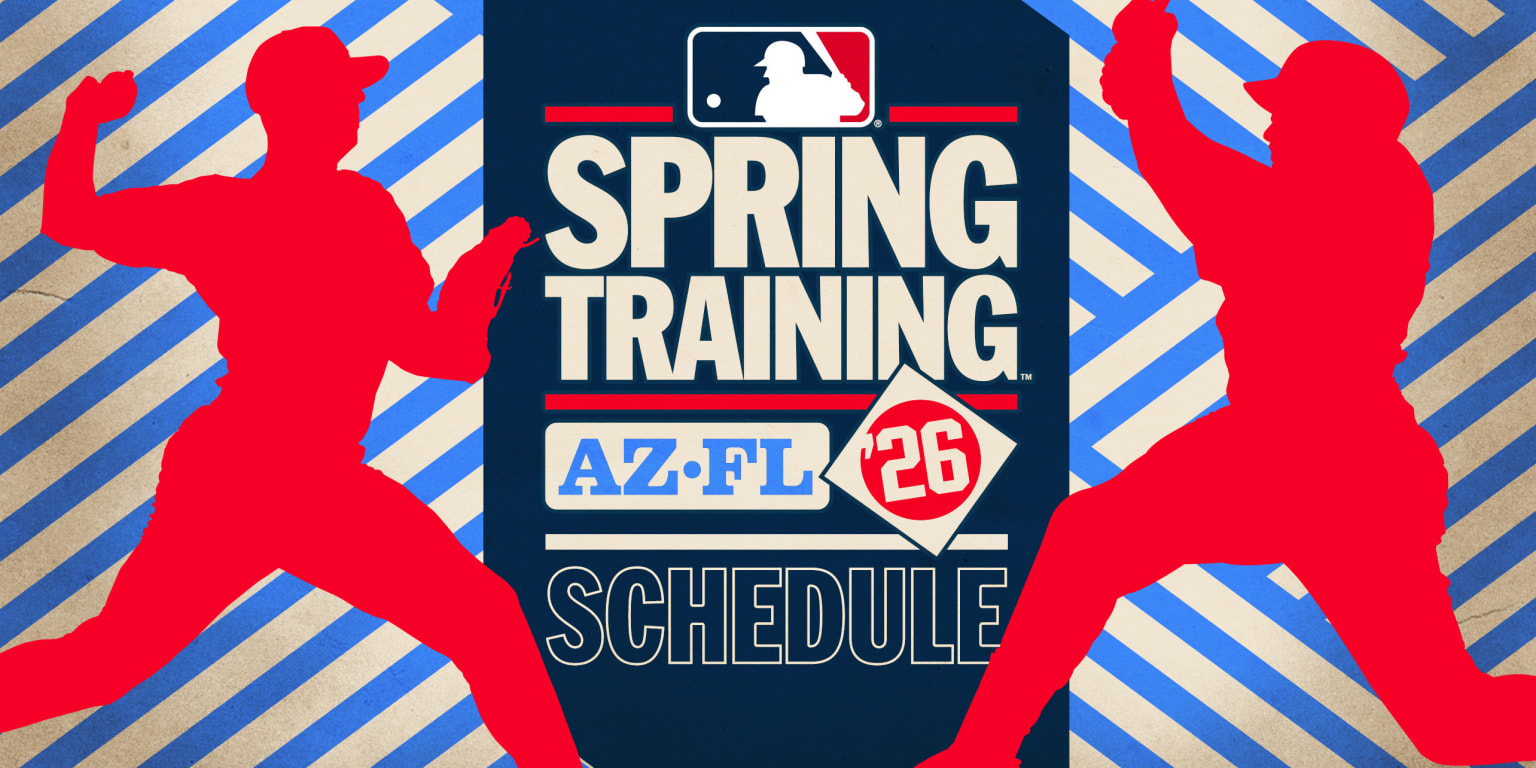
Astutely drafted late-round catchers often include veterans with proven durability or emerging backups granted new opportunities via injuries or trades. Observing spring training reports and early-season depth chart movements allows shrewd managers to capitalize on favorable circumstances. This approach embraces the inherent uncertainty by maintaining flexible lineups and leveraging streaming options. It underscores that the late-round catcher strategy is less about pinpoint precision and more about adept adaptability and informed speculation.
Offensive Upside: The Quest for Hidden Gems
For all the defensive rigor demanded of catchers, offensive output remains a prized commodity. The scarcity of true offensive contributors at the position enhances the value of even modest power or on-base skills. Late-round picks with potential for offensive breakout become focal points in this strategy, especially when surface metrics suggest upside overlooked by the broader fantasy community.
Targeting catchers with underappreciated power, speed, or plate discipline can yield substantial dividends. Because many experts prioritize utility, infielders, or outfielders early, catchers with tantalizing peripheral statistics offer potent upside. When such players ascend past the draft’s conservative mental cutoff, they present remarkable opportunities to secure surplus production. More importantly, these players often fulfill the team’s minimum positional requirements while enabling deeper investment in critical, higher-output positions.
Flexibility and Roster Construction: A Strategic Advantage
Integrating a late-round catcher into a fantasy roster provides considerable strategic flexibility. Early picks can be devoted to dynamic hitters or reliable arms, building a foundation that minimizes weekly lineup headaches. By avoiding early investment in catchers, managers secure versatility, allowing for agile responses to injuries, slumps, and matchup exploitation throughout the season.
This flexibility extends to league formats where bench spots or daily roster moves augment roster fluidity. Deploying catchers taken late ensures that roster spots remain open for high-upside prospects or trade chips. Consequently, the late-round catcher serves not merely as a placeholder but as a strategic piece, enabling efficient roster construction that balances risk and reward across the season’s ebbs and flows.
Common Pitfalls and How to Avoid Them
While the late-round catcher strategy offers distinct advantages, it is not without pitfalls. Overreliance on gambling on inexperienced players or ignoring stable veterans can backfire spectacularly. Likewise, failing to monitor playing time trends post-draft undermines the strategy’s effectiveness. Catchers with uncertain roles or platoon statuses may offer less value than anticipated, quickly eroding the edge the strategy aims to capture.
Successful practitioners mitigate these risks through diligent research, focusing on minor league reports, team depth charts, and coaching philosophies. Staying tethered to the realities of playing time projections and injury histories separates those who merely gamble from those who execute informed, calculated decisions. Additionally, being prepared to pivot midseason by leveraging waivers or trades safeguards the investment in catchers selected late.
The Psychological Allure: Why Catchers Captivate Fantasy Players
The rarity of consistent offensive production from catchers renders their success stories especially compelling. The narrative of unearthing a late-round catcher who delivers unexpected value resonates deeply with the archetypal fantasy player searching for the underrated underdog. This fascination transcends simple strategy; it taps into a broader appreciation for intricacy and the triumph of insight over consensus.
Moreover, the catcher position symbolizes resilience and leadership in baseball lore, enriching the emotional connection managers develop with their selections. This intangible element fuels a passion for the late-round catcher strategy, marrying the analytical with the affective. It reminds managers that beyond statistics and projections lie stories of perseverance and latent potential waiting to be harnessed.
Conclusion: Embracing the Nuance of Late-Round Catcher Strategy
In the grand scheme of fantasy baseball, the late-round catcher strategy stands as a testament to the value of contrarian thinking and nuanced understanding of positional dynamics. By embracing the complexities of scarcity, injury risk, offensive upside, and roster flexibility, savvy fantasy managers cultivate a competitive advantage that often proves decisive. This approach challenges superficial notions of positional value and invites a deeper appreciation for the art and science of roster construction. Ultimately, the late-round catcher strategy endures as an elegant blend of pragmatism and ingenuity, captivating those who recognize its subtle yet potent impact on season-long success.