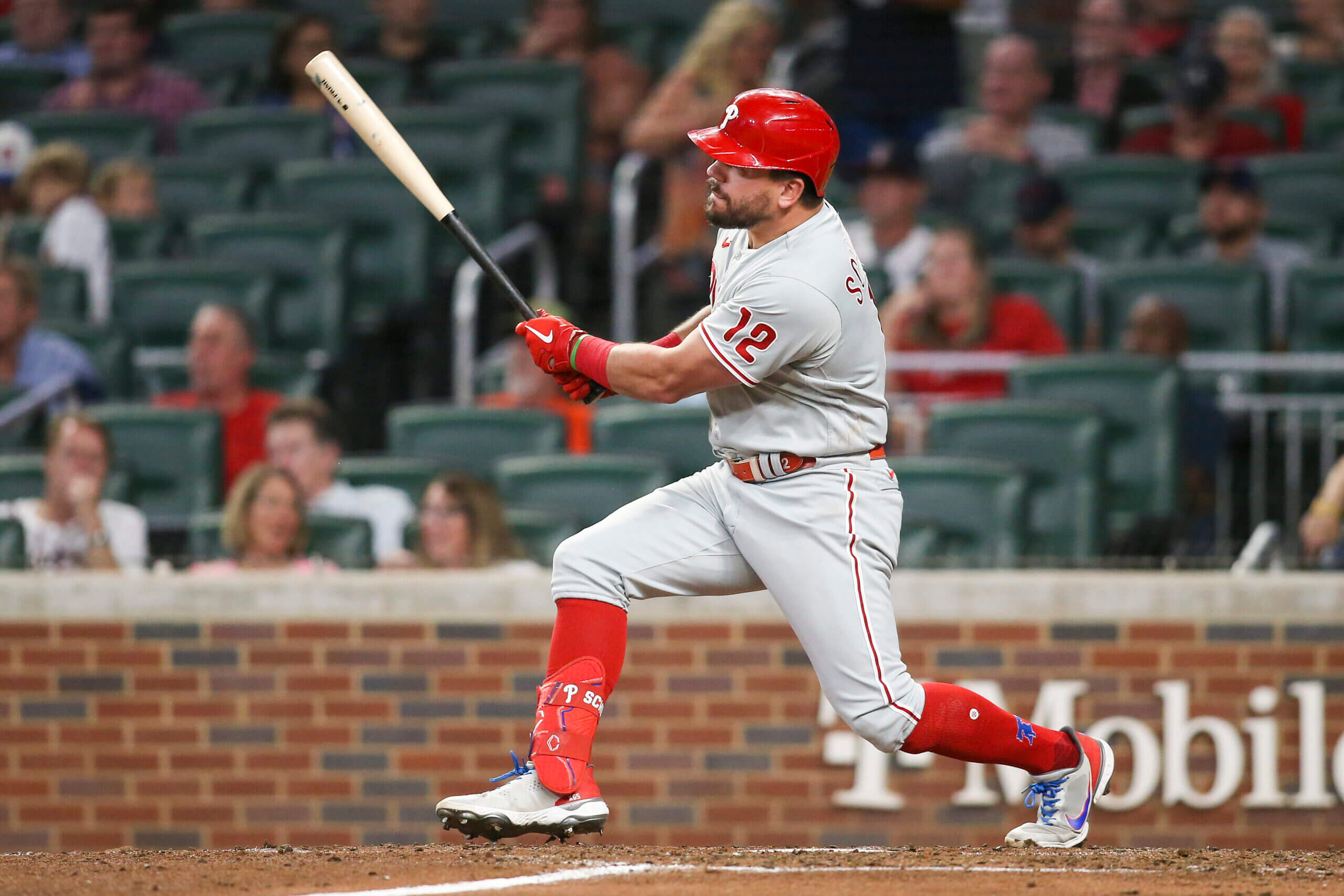
The crack of the bat, the roar of the crowd, the sudden absence of a shortstop where a second baseman once stood—these are the echoes of baseball’s most audacious experiment in a generation. One year ago, Major League Baseball rolled out a seismic rule change: the ban on defensive shifts. The league’s grand gamble was simple: restore the game’s traditional geometry by forcing defenders to align themselves in ways that felt, well, normal. But did it work? Or did it merely expose the fragility of baseball’s delicate balance between tradition and innovation?
The Shift Ban’s Grand Design: A Rule Born of Frustration
For decades, the defensive shift had evolved from a tactical novelty into a near-universal strategy. Teams like the Astros and Rays became masters of the art, stacking three infielders on one side of the diamond to snuff out grounders that once found holes. The result? Batting averages plummeted, stolen bases vanished, and the game felt, to some, like a sterile laboratory of probability rather than the organic chaos of America’s pastime.
Enter the shift ban. Effective in 2023, the rule mandated that all four infielders must be positioned on the infield dirt at the time of pitch, with no more than two allowed on either side of second base. The league’s architects hoped to revive the thrill of seeing a well-placed ground ball scoot through the infield, to bring back the days when a hitter’s spray chart dictated defensive positioning rather than the other way around. But rules, like pitches, rarely land where they’re intended.
The Early Returns: Did the Shift Ban Move the Needle?
At first glance, the numbers suggest a modest victory for the traditionalists. Batting averages ticked upward slightly, and the league’s home run rate—though still elevated—showed no dramatic spike. More importantly, the shift’s once-ubiquitous presence dwindled. Teams could no longer deploy their four-man outfields with impunity, and the sight of a shortstop playing deep in the hole became a rarity rather than a novelty.
Yet the shift ban’s impact was uneven. Some hitters, particularly those who had thrived under the old regime, saw their production stagnate. Left-handed sluggers who once sprayed the ball to the opposite field now found themselves bunting into double plays or watching weakly tapped grounders turned into outs. The league’s stolen base renaissance, another hoped-for side effect, proved fleeting. Teams adapted by prioritizing power over speed, leaving fans to wonder: was the shift ban a course correction or merely a course adjustment?
The Unintended Consequences: A Game of Cat and Mouse
Every rule change in baseball carries the risk of unintended consequences, and the shift ban was no exception. Pitchers, ever the opportunists, began exploiting the new defensive alignments. With infielders forced to play straighter, batters could now pull the ball with impunity, knowing that the third baseman—no longer stationed in the shallow outfield—would struggle to react. The result? A surge in pulled ground balls and line drives, turning what was meant to be a defensive reset into a hitter’s playground.
Worse still, the shift ban may have exacerbated another growing concern: the decline of defensive versatility. Infielder who had spent years mastering the art of the extreme shift now found themselves ill-equipped to handle the game’s new demands. A third baseman who once played in the outfield gap now had to cover the entire left side of the infield, while shortstops were forced to range into the shallow right side. The league’s defensive specialists became jacks-of-all-trades, masters of none.
The Human Element: Did the Shift Ban Kill the Game’s Soul?
Baseball is a game of aesthetics as much as it is of statistics. The shift ban may have restored some semblance of balance, but at what cost? The sight of a hitter dropping a bunt down the third-base line, only to watch the third baseman sprint in vain to make the play, lacks the poetry of a perfectly executed defensive alignment. The shift, for all its flaws, was a testament to the game’s tactical depth—a chess match played out on a diamond.
Some purists argue that the shift ban has stripped the game of its strategic richness. No longer can a manager outthink his opponent by positioning his defenders in ways that defy conventional wisdom. The shift ban, in their eyes, has turned baseball into a game of brute force rather than cunning. Others counter that the shift had become so extreme that it had erased the very essence of the game: the battle between pitcher and hitter, unencumbered by defensive subterfuge.
The Future of the Shift: Will Baseball Double Down or Rewind?
One year in, the shift ban’s legacy remains uncertain. The league has hinted at further adjustments, perhaps tweaking the rule to allow for more flexibility in defensive alignments. Others suggest that the shift ban was merely a first step, a toe dipped into the waters of radical change. Could we see a return to the days of the traditional shift, or will baseball continue to experiment with rules designed to restore the game’s lost artistry?
The challenge now is to strike a balance. The shift ban may have achieved its primary goal—reducing the extreme defensive alignments that had warped the game—but it has also introduced new complexities. The league must decide whether to refine the rule, scrap it entirely, or double down on its vision of a more “natural” game. One thing is certain: baseball’s experiment with the shift ban has forced us to confront a fundamental question. Can the game evolve without losing its soul?

![Why I’m Fading [Highly Ranked Pitcher] Due to Injury History](https://zellspinstripeblog.com/wp-content/uploads/2026/04/Running-injury-not-healing-RunTeach.jpg)