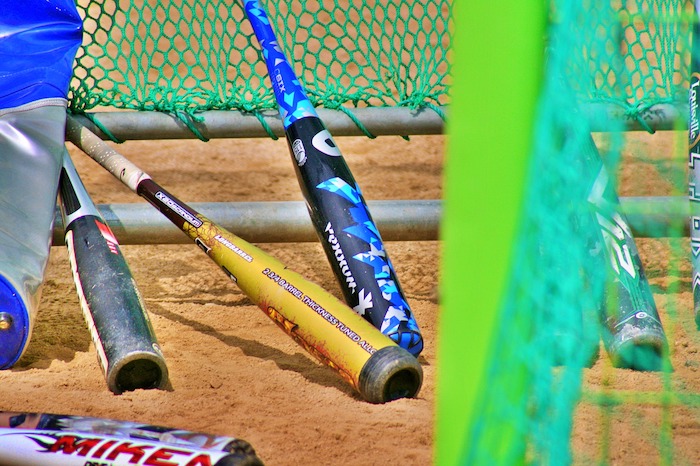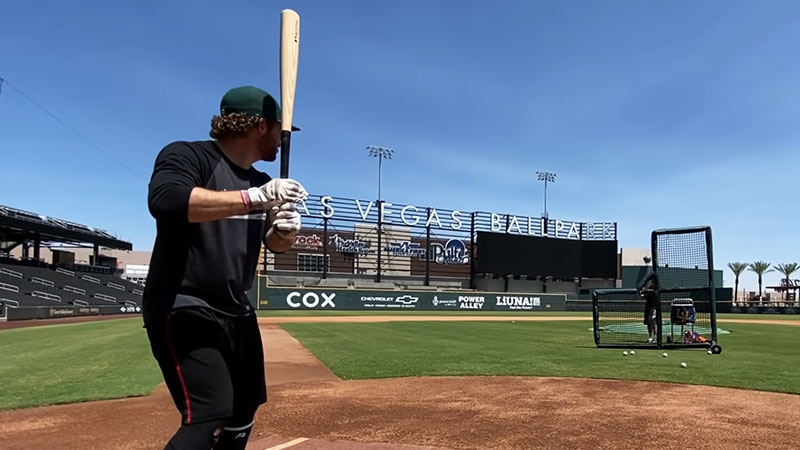
The crack of a bat splitting the summer air is more than just a sound—it’s the sonic signature of baseball itself, a symphony of willow and ash that has echoed through decades of America’s pastime. Yet behind that resonant thwack lies a world of meticulous craftsmanship, scientific precision, and unwritten rules that govern what Major League Baseball players wield at the plate. The modern MLB bat is not merely a piece of equipment; it is a carefully engineered extension of the hitter’s intent, a silent partner in the ballet of power and precision that unfolds in every at-bat. To understand what MLB bats use is to peer into a realm where tradition and innovation collide, where the choice of wood becomes a defining factor in the drama of the game.
The Sacred Wood: Why MLB Bats Are Forged from Nature’s Finest
In an era dominated by carbon fiber and titanium, the Major League Baseball bat remains stubbornly rooted in the organic. Since the early 20th century, MLB has mandated the use of solid wood for bats, a rule that preserves the game’s tactile authenticity and enforces a level playing field. The wood of choice is not arbitrary—it is the result of centuries of trial, error, and reverence. Maple and ash stand as the twin titans of the bat-making world, each offering a distinct personality to the swing. Maple, dense and heavy, delivers a resounding pop with every contact, its tight grain structure translating raw power into explosive line drives. Ash, with its open grain and lighter weight, bends like a willow in the wind, allowing for a whip-like follow-through that can turn a mediocre hitter into a gap-smasher. These woods are not just materials; they are living entities, each with a story etched into their rings, a silent testament to the forests they once inhabited.
The Alchemy of Selection: How Bats Are Chosen Like Fine Wine
Selecting a bat is less like purchasing a tool and more akin to choosing a musical instrument—each piece resonates differently, and the right match can elevate a player’s performance to virtuoso levels. Bat manufacturers source their timber from specific regions known for their ideal growing conditions. Maple often hails from the hardwood forests of Pennsylvania and New York, where cold winters and warm summers create dense, slow-growing trees. Ash, on the other hand, thrives in the moist soils of the Midwest, its wood prized for its flexibility and resilience. Once felled, the logs are dried for months, sometimes years, in carefully controlled environments to prevent cracking and warping. The drying process is where the magic begins: moisture evaporates, the grain tightens, and the wood transforms from a raw, earthy slab into a potential game-changer. Bat makers then scan each piece with ultrasonic technology, searching for hidden flaws that could turn a $300 bat into a $300 liability in the blink of an eye.
The Craftsmanship of the Bat: Where Artistry Meets Engineering
Turning a log into a Major League bat is a dance of precision and patience. The process begins with a rough cut, where the wood is shaped into a rectangular blank. From there, the blank is lathed into its iconic barrel and taper, a process that requires the skill of a master craftsman. The barrel’s diameter is standardized at no more than 2.75 inches, a rule that ensures fairness and consistency across the league. The taper—the gradual thinning from barrel to handle—is where science meets artistry. A steep taper can make a bat feel lighter in the hands, while a gradual one provides more mass behind the swing. The handle is often wrapped in a thin layer of resin or coated with a special finish to enhance grip and reduce vibration. Some players opt for a cupped end, a small indentation that shaves off a few ounces and shifts the bat’s center of gravity, allowing for quicker bat speed. Every curve, every contour is a deliberate choice, a silent conversation between the bat and the hitter.
The Science of the Swing: How Wood Transforms Energy into Flight
When a bat meets a baseball, the collision is a fleeting but violent ballet of physics. The wood’s cellular structure plays a crucial role in how energy is transferred. Maple, with its dense, interlocking grain, acts like a trampoline, compressing upon impact and then rebounding with explosive force. Ash, with its more open grain, flexes like a spring, storing and releasing energy in a way that can turn a ground ball into a double play killer. The sweet spot—the area on the barrel where vibrations are minimized and power is maximized—isn’t just a myth; it’s a physical phenomenon dictated by the wood’s properties. Bat manufacturers use high-speed cameras and impact sensors to map this sweet spot, ensuring that even the most imperfect swing can find redemption in a perfectly timed strike. The wood’s moisture content is also critical; too dry, and the bat shatters like glass; too moist, and it loses its snap. It’s a delicate balance, a reminder that even in the age of data analytics, baseball remains a game of feel.
The Ritual of the Bat: Why Players Develop Deep Personal Connections
A Major League bat is more than a tool—it’s a companion, a ritual object, a source of superstition. Players often develop deep attachments to their bats, naming them, blessing them, and even sleeping with them before big games. The bat becomes an extension of the player’s body, a conduit for their skill and confidence. Some hitters rotate through multiple bats in a season, each with its own personality, while others stick with one bat like a trusted friend. The bat’s journey doesn’t end when it cracks or splinters; some players keep broken bats as mementos, while others send them back to the manufacturer for analysis. The relationship between player and bat is a testament to the game’s humanity, a reminder that even in a sport governed by statistics and technology, the intangible still holds sway. The crack of a bat is not just the sound of wood meeting leather—it’s the sound of a bond forged in the crucible of competition.
The Future of Wood: Can Innovation Preserve Tradition?
As baseball evolves, so too does the conversation around bat materials. While MLB remains committed to solid wood, the industry is exploring ways to enhance performance without compromising the game’s integrity. Some manufacturers have experimented with hybrid woods, combining the best traits of maple and ash to create bats that offer both power and flexibility. Others are investigating the use of bamboo, a sustainable alternative that boasts incredible strength and consistency. However, tradition runs deep in baseball, and any deviation from solid wood risks altering the game’s fundamental character. The challenge lies in balancing innovation with preservation, ensuring that the crack of the bat remains a sound rooted in nature rather than a synthetic echo. For now, the MLB bat stands as a symbol of the game’s enduring connection to its past—a reminder that even in a world of aluminum and composites, some things are best left to the wisdom of the woods.