The Yu Darvish rookie card isn’t just a piece of cardboard—it’s a time capsule of a pitcher who redefined what it meant to dominate on the mound. When Darvish burst onto the MLB scene in 2012 with the Texas Rangers, he didn’t just arrive; he announced himself with a fastball that could shatter windows and a splitter that left hitters swinging at thin air. His rookie card, a Topps gem from that same season, captures that moment of arrival. But is it a smart investment, or just a sentimental keepsake for die-hard fans? Let’s dig into the value, the nuances, and the stories behind this collectible.
The Anatomy of a Rookie Card: What Makes Darvish’s Stand Out
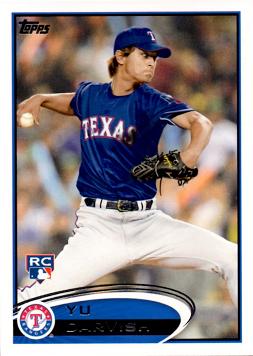
Not all rookie cards are created equal. The 2012 Topps Yu Darvish #177 is the crown jewel, but it’s not alone in the market. The card’s value hinges on several factors: the brand, the print run, the condition, and, perhaps most importantly, the player’s on-field legacy. Topps’ 2012 series was a transitional year, blending traditional design with modern aesthetics, and Darvish’s card benefits from that balance. The image itself—a young Darvish in his Rangers uniform, mid-windup—freezes a moment of pure potential.
Then there’s the parallel and insert sets. The 2009 Bowman Chrome Refractor (#353/599) is a fan favorite, prized for its iridescent sheen and limited print run. These aren’t just cards; they’re artifacts of a player who was, for a time, the most electrifying arm in baseball. The scarcity of these parallels drives demand, but scarcity alone doesn’t guarantee value. It’s the intersection of rarity and relevance that makes them worth chasing.
Market Trends: How Has Darvish’s Card Performed Over Time?
Tracking the value of a rookie card is like watching a pitcher’s ERA—it fluctuates with performance, injuries, and market whims. Darvish’s card has seen peaks and valleys. Early on, as his dominance in Texas and later with the Cubs and Padres kept him in the spotlight, prices climbed. But when injuries sidelined him or his stats dipped, the market cooled. The 2020 shutdown, for instance, sent many sports cards into a tailspin, but Darvish’s card rebounded quickly as collectors bet on his resurgence.
Auction houses like Heritage and Goldin have seen bids for his Topps rookie reach four figures in near-mint condition, while raw copies linger in the double digits. The key here is grading. A PSA 10 Topps rookie can fetch $1,500+, while a PSA 7 might struggle to break $200. The difference isn’t just in the grade—it’s in the story the card tells. A high-grade card represents a pristine moment in Darvish’s career, untarnished by time or wear.
Investment Potential: Is It a Safe Bet?
Investing in sports cards is a gamble, but some bets pay off better than others. Darvish’s rookie card sits in a sweet spot: established enough to have a track record, but still young enough to attract new collectors. His Hall of Fame case is strong—he’s a 6x All-Star, a 2x ERA title holder, and a pitcher with over 2,000 strikeouts. If he adds a Cy Young or another postseason run, his cards could see a significant bump.
That said, the market is volatile. The 2021 sports card boom saw prices skyrocket, but 2023 brought a correction. Darvish’s card hasn’t been immune, but it’s held its ground better than many. For investors, the play here is patience. Darvish isn’t a first-ballot Hall of Famer yet, but he’s on the cusp. A future induction would likely send his rookie card into the stratosphere, especially if it’s a high-grade copy.
Condition and Grading: The Devil’s in the Details
You can’t talk about card value without talking about condition. A card’s grade is its passport to the top of the market. PSA and BGS are the gold standards, with PSA 10s commanding premiums. But grading isn’t just about the final score—it’s about the eye appeal, the centering, the corners, and the surface. A card with minor flaws might still grade well, but it won’t command the same price as a flawless copy.
For Darvish’s card, the image quality is crucial. The photo captures him in his prime, but if the print is off or the colors are faded, the card loses its luster. Collectors should also watch for reprints or fakes—especially in the secondary market. A $50 card can turn into a $500 mistake if it’s not authenticated. Always buy from reputable sellers, and consider getting a card graded before making a high-stakes purchase.
Alternatives and Complements: Building a Darvish Collection
While the Topps rookie is the centerpiece, a Darvish collection can be so much more. The 2012 Topps Archives card offers a vintage twist, while autographed versions add a personal touch. Memorabilia cards, like those featuring his game-used jerseys or bats, are pricier but tell a deeper story. For example, a patch card from his 2013 All-Star Game appearance might not be as liquid as his base rookie, but it’s a unique piece of history.
Don’t overlook international cards either. Darvish’s time in Japan with the Nippon Ham Fighters is well-documented, and his Japanese rookie cards (like the 2005 BBM #101) are niche but fascinating. These cards are harder to find in high grades, making them a challenge for serious collectors. Pairing a Japanese rookie with his MLB cards creates a narrative of a global star transcending borders.
Risks and Rewards: What Could Go Wrong?
No investment is without risk, and sports cards are no exception. Darvish’s career has had its share of controversies—from his infamous 2014 no-hitter against the Astros (amidst sign-stealing allegations) to his struggles in the postseason. While his regular-season dominance is undeniable, his playoff resume is a weak point. If collectors start to associate his cards with postseason failures, demand could wane.
Market saturation is another concern. The sports card boom of the early 2020s brought in a wave of new collectors, many of whom are now selling off their holdings. If Darvish’s card floods the market, prices could dip. Additionally, the grading industry has faced scrutiny over inconsistent standards, which could erode trust in high-grade cards.
Final Verdict: Should You Buy, Hold, or Sell?
For collectors, the Yu Darvish rookie card is a no-brainer if you’re a fan. It’s a tangible piece of baseball history, a way to own a fragment of a pitcher who thrilled fans for over a decade. For investors, it’s a calculated bet on a Hall of Fame trajectory. The upside is real, but it’s not a get-rich-quick scheme. Patience and a long-term outlook are key.
If you’re considering adding Darvish’s card to your collection, start small. Buy a raw copy to familiarize yourself with the market, then upgrade to a graded version if the price is right. Keep an eye on his career milestones—each new chapter could shift the narrative around his collectibles. And remember, the best investments are the ones that bring you joy, not just profit.
Whether you’re a die-hard fan or a savvy investor, the Yu Darvish rookie card offers something for everyone. It’s more than a piece of cardboard; it’s a legacy in the making.