In the grand mosaic of baseball card collecting, few names shimmer as brightly as Bryce Harper’s. His Topps cards aren’t just cardboard and ink—they’re relics of a career that has danced between the extraordinary and the legendary. Whether it’s the electric pop of his rookie card or the refined artistry of his modern parallels, each Harper issue tells a story. But beyond the obvious lies a trove of hidden gems, waiting to be unearthed by those who dare to look deeper. These aren’t just cards; they’re time capsules, each with its own narrative thread woven into the fabric of the hobby.
Imagine, if you will, a baseball card as a comet streaking across the night sky. The brightest ones—Harper’s 2012 Bowman Chrome Superfractor or his 2015 Topps Update Signature—are the ones that leave indelible streaks, visible even to casual observers. But what about the faint, flickering glimmers that dart across the periphery? Those are the Harper cards that often slip under the radar, yet hold a quiet, almost mystical allure. They’re the cards that whisper rather than shout, the ones that reward patience and discernment. Let’s embark on a journey through the lesser-celebrated corners of Bryce Harper’s Topps universe, where each card is a hidden gem waiting to be polished to a gleaming finish.
The Allure of the Uncommon Parallel: When Subtlety Meets Brilliance
Parallel cards are the chameleons of the baseball card world—subtle shifts in design that transform an everyday issue into something far more intriguing. Harper’s Topps output is rife with these understated marvels. Take, for instance, the 2013 Topps Inception Harper. Nestled within its metallic sheen and intricate foil patterns lies a card that feels almost clandestine. It’s not the loud, in-your-face chrome parallel that demands attention; instead, it’s a whisper of elegance, a card that rewards those who take the time to appreciate its nuanced design. The Inception line was Topps’ attempt to blend artistry with collectibility, and Harper’s iteration is a masterclass in restraint.
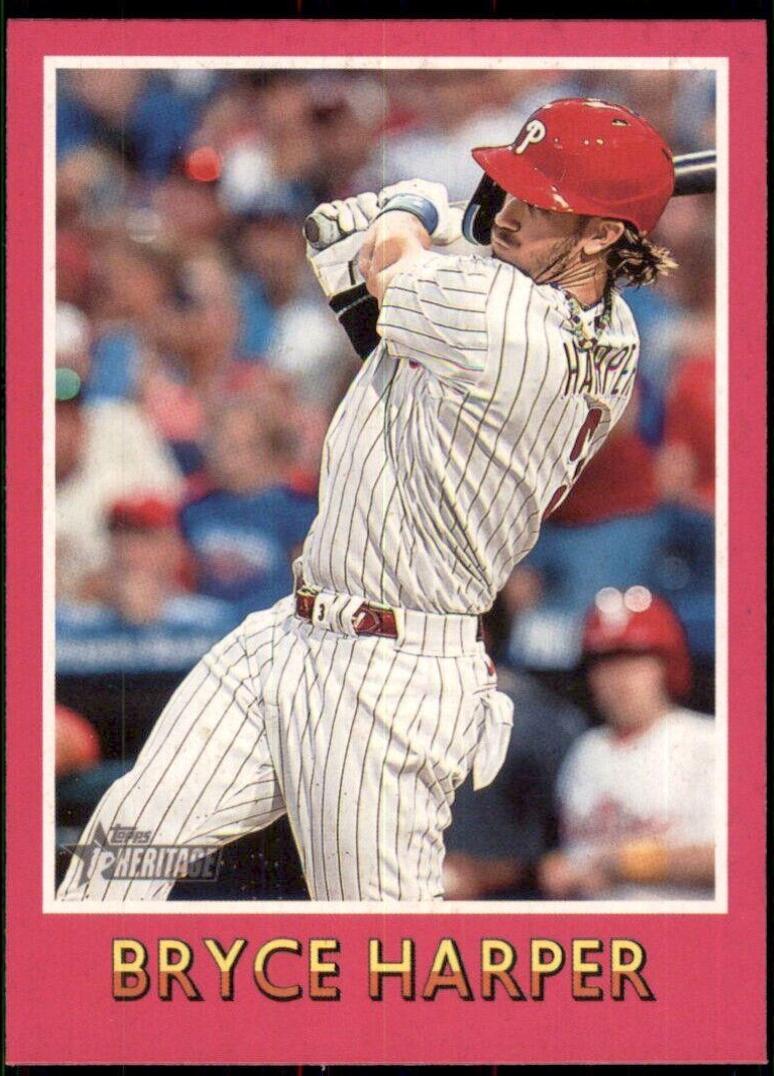
Then there’s the 2016 Topps Heritage High Number Harper. Heritage cards are like vintage wine—aging in oak barrels of nostalgia, only to emerge with a complexity that’s hard to replicate. The high-number subset, in particular, feels like a secret society within the set, where collectors who dig deeper are rewarded with cards that carry a vintage aesthetic but modern relevance. Harper’s card in this series is a study in contrast: the retro design language of the 1960s, paired with the raw energy of a player still in his prime. It’s a card that bridges eras, a visual metaphor for Harper’s ability to transcend generational divides in the sport.
The beauty of these parallels lies in their duality. They’re not just collectibles; they’re conversation starters. Pull one from a box, and you’re not just holding a card—you’re holding a piece of the hobby’s evolution. The way the ink catches the light, the way the design plays with depth and texture—it’s as if each parallel is a tiny, tangible rebellion against the homogeneity of mass-produced collectibles.
Autographs and Relics: The Alchemy of Player Memorabilia
Autographed cards are the philosopher’s stones of baseball collecting—transforming base cardboard into something almost magical. Harper’s autograph cards are no exception, but it’s the lesser-known iterations that truly sparkle. Consider the 2014 Topps Tier One Harper autograph. Tier One was Topps’ premium autograph line, and Harper’s card in this series is a study in minimalism. The stark white border, the clean lines of his signature, the way the autograph seems to float above the card—it’s as if the card itself is in reverence to the act of signing. There’s a purity to it, a moment frozen in time where the player’s hand met the card, leaving behind a piece of themselves.
But autographs are just one half of the equation. The other half? Relics. Harper’s game-used cards are like relics from a temple of power, each swatch of jersey or bat chip a tangible connection to the player’s on-field exploits. The 2017 Topps Chrome Base Autograph Harper with a bat relic is a prime example. The card’s design is sleek, almost futuristic, but the relic insert adds a layer of raw authenticity. It’s not just a card; it’s a fragment of a bat that once shattered fastballs into the stratosphere. The way the relic is framed—encased in a clear window that draws the eye—makes it feel like a sacred artifact, something to be revered rather than merely collected.
What makes these cards so compelling is their ability to evoke emotion. A Harper autograph card isn’t just a signature; it’s a handshake across time. A relic card isn’t just a piece of fabric; it’s a whisper from the dugout, a reminder of the sweat and strategy that went into every swing. They’re the cards that turn a collection into a shrine, a personal museum dedicated to one of baseball’s most electrifying talents.
Modern Marvels: The New Wave of Harper Cards
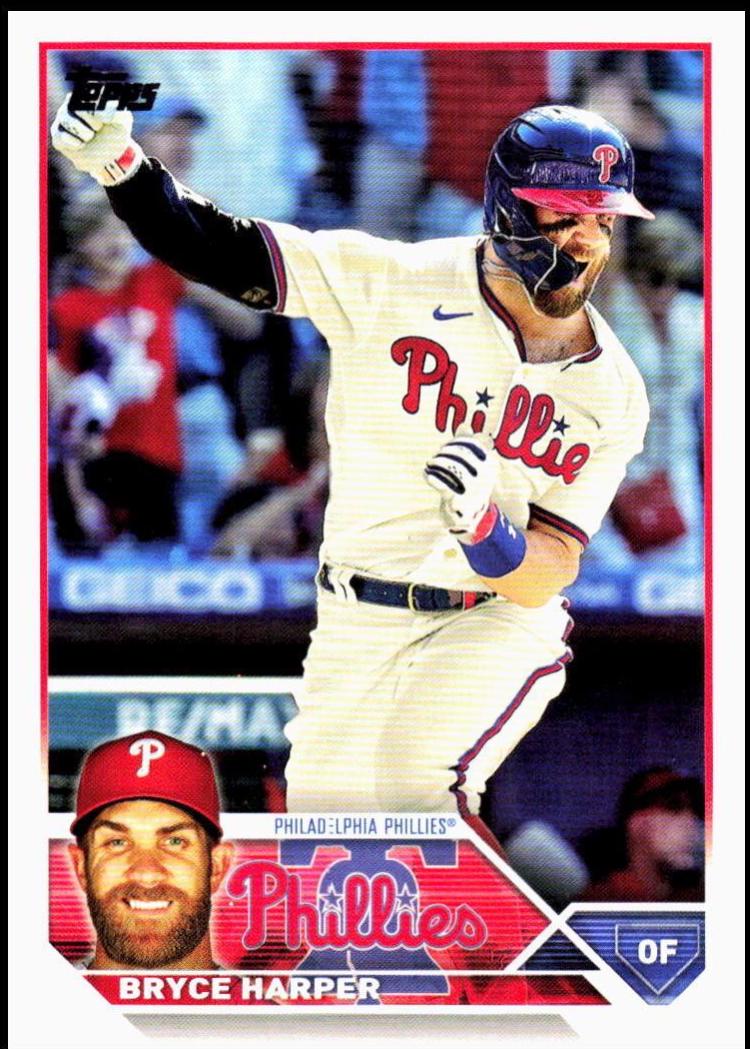
The world of baseball cards is in constant flux, and Bryce Harper’s modern Topps issues are a testament to that evolution. The 2023 Topps Series 1 Harper #3 is a card that feels like a bridge between the old and the new. Its design is clean, almost clinical, but there’s a warmth to it—a reminder that Harper’s career is still unfolding, still being written. The card’s simplicity is its strength; it doesn’t need gaudy parallels or flashy autographs to stand out. It’s a card that says, “Here I am, Bryce Harper, in the prime of my career, and this is what I represent.”
Then there’s the 2024 Topps Heritage Sensation Harper #75BS-18. Heritage cards have always been a love letter to baseball’s past, but the Sensation subset takes that nostalgia and infuses it with a modern twist. Harper’s card in this series is a masterclass in contrast: the retro design language of the 1950s, paired with the high-gloss finish of a contemporary issue. It’s a card that feels both timeless and timely, a visual metaphor for Harper’s ability to transcend eras in the sport.
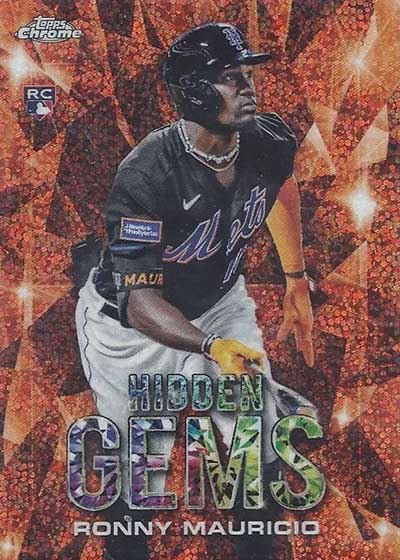
But perhaps the most intriguing modern Harper card is the 2024 Topps Chrome Baseball Hidden Gems Harper. Hidden Gems are the hobby’s equivalent of a treasure hunt, where collectors scour boxes in search of cards that defy convention. Harper’s Hidden Gems card is a study in contrast—its design is minimalist, almost abstract, but the way the chrome finish catches the light makes it feel like a tiny, glittering secret. It’s a card that rewards those who look beyond the obvious, a reminder that the best collectibles aren’t always the loudest.
The modern Harper cards are a reflection of the hobby itself—constantly evolving, constantly pushing boundaries. They’re not just cards; they’re statements, declarations that Bryce Harper’s legacy is still being written, one card at a time.
The Psychology of the Chase: Why We Hunt for the Unseen
There’s a primal thrill to the chase in baseball card collecting, a rush that comes from uncovering something rare, something hidden. Harper’s lesser-known cards tap into that psychology in a way that few others can. They’re the cards that make collectors feel like detectives, piecing together clues to uncover a hidden truth. The 2015 Topps Update Harper #180 is a perfect example. It’s not a card that screams for attention; it’s a card that lurks in the shadows, waiting to be discovered by those who dig deep. The thrill of pulling it from a pack is like finding a needle in a haystack—sudden, unexpected, and deeply satisfying.
This psychology isn’t just about rarity; it’s about the stories these cards tell. A Harper card isn’t just a piece of cardboard; it’s a chapter in a larger narrative. It’s the rookie card that launched a thousand collections, the autograph that captures a moment of triumph, the relic that ties a player to the game’s history. These cards are more than collectibles; they’re emotional anchors, reminders of why we fell in love with the hobby in the first place.
The hunt for Harper’s hidden gems is also a rebellion against the commodification of collecting. In a world where cards are often treated as investments or status symbols, these lesser-known issues are a return to what collecting is really about: passion, curiosity, and the joy of discovery. They’re a reminder that the best cards aren’t always the most expensive or the most sought-after; sometimes, they’re the ones that speak to us on a personal level.
And let’s not forget the social aspect of the chase. Sharing a rare Harper card with fellow collectors is like passing around a piece of history. It’s a conversation starter, a way to connect with others who share your passion. Whether it’s swapping stories about the hunt or marveling at the card’s design, these moments are what make collecting truly special.
Building a Harper Collection: Where to Start and What to Prioritize
If you’re looking to build a Bryce Harper collection that stands out, the key is to think beyond the obvious. Start with the classics—the 2012 Bowman Chrome Superfractor, the 2015 Topps Update Signature—but don’t stop there. The real magic lies in the details, the cards that often get overlooked. The 2013 Topps Inception Harper, the 2016 Topps Heritage High Number Harper, the 2014 Topps Tier One Autograph—these are the cards that will make your collection truly unique.
When prioritizing, consider the emotional resonance of each card. Do you want a piece of Harper’s rookie year? The 2012 Bowman Chrome is a must. Do you want a card that captures his power and precision? A game-used relic might be your best bet. Or perhaps you’re drawn to the artistry of a particular design—if so, the parallels and Heritage cards are where you’ll find your treasure.
Don’t be afraid to mix eras and styles. A Harper collection should be a reflection of your personal taste, a curated journey through his career. Maybe you’ll pair a vintage-style Heritage card with a modern Chrome issue, creating a visual dialogue between past and present. Or perhaps you’ll focus on autographs, building a shrine to the player’s handiwork. The possibilities are endless, limited only by your imagination.
And remember, condition is king. A Harper card in pristine condition is a thing of beauty, a card that will only appreciate in value over time. Invest in top-loaders, penny sleeves, and storage solutions that protect your cards from the elements. A Harper collection is a legacy, and like any legacy, it deserves to be preserved with care.
Finally, enjoy the process. Collecting is as much about the journey as it is about the destination. Every pack you open, every card you pull, is a moment to savor. Harper’s career is still unfolding, and with it, the story of his cards. Whether you’re a seasoned collector or just starting out, there’s never been a better time to dive into the hidden gems of Bryce Harper’s Topps universe.
The cards we chase aren’t just pieces of cardboard; they’re fragments of a larger narrative, a story that’s still being written. And in the end, that’s what makes them so special. They’re not just collectibles; they’re time machines, portals to the moments that define a career, a hobby, and a passion. So go ahead—dive in, explore, and let the hunt begin. The best Harper cards are waiting, hidden in plain sight, ready to reward those who dare to look.