In the labyrinthine world of baseball card collecting, few names carry the weight of Pete Rose. The all-time hits leader’s cards aren’t just pieces of cardboard—they’re relics of a bygone era, steeped in nostalgia and statistical grandeur. For collectors, the value of a Pete Rose card isn’t merely a number; it’s a reflection of legacy, scarcity, and the ever-shifting tides of the hobby. Whether you’re a seasoned numismatist or a fledgling enthusiast, understanding what these cards fetch in today’s market requires more than a cursory glance at eBay listings. It demands a deep dive into the nuances of condition, era, and provenance, where a single crease or a misaligned centering can mean the difference between a modest profit and a life-changing score. This breakdown explores the multifaceted landscape of Pete Rose card values, dissecting the factors that drive demand and the surprises that lurk beneath the surface.
The 1963 Topps Rookie Card: The Crown Jewel of the Collection
No discussion of Pete Rose’s card value is complete without anchoring it to his 1963 Topps rookie card. This isn’t just a card; it’s the linchpin of any serious collector’s portfolio. In Near Mint to Mint condition, this cardboard artifact can command prices that make even the most seasoned dealers pause. Recent sales have seen pristine examples fetch between $1,500 and $3,000, with the occasional gem—graded PSA 10—soaring past $5,000. The allure lies in its historical significance; it’s the first tangible proof of Rose’s meteoric rise from a Cincinnati Reds prospect to a future Hall of Famer (though his banishment from Cooperstown adds a layer of tragic irony).
Condition is paramount here. A card with sharp corners, vibrant colors, and minimal wear can fetch a premium, while even the slightest imperfection can plummet its value by hundreds. The market has also seen a surge in demand for autographed versions, where Rose’s signature—whether on the card or a sticker—can double or triple the price. For collectors, the rookie card isn’t just an investment; it’s a trophy, a tangible connection to the player who redefined hustle and longevity in the sport.
Vintage Gems: 1970s and 80s Cards in the Spotlight
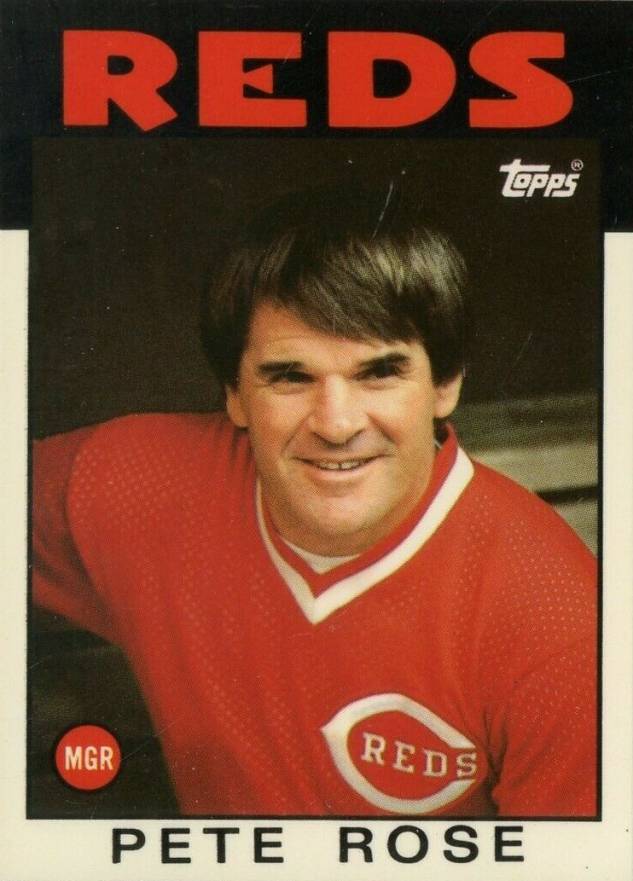
The 1970s and 80s were a golden age for Pete Rose’s cardboard legacy, with multiple sets featuring his likeness. Among the most coveted are his 1970 Topps and 1986 Topps Tiffany cards. The 1970 Topps card, often overshadowed by the rookie, still commands respect in high grades, with PSA 9 examples trading hands for $300–$600. Its appeal lies in its vintage charm, a snapshot of Rose during his prime with the Reds. Meanwhile, the 1986 Topps Tiffany set—printed on higher-quality stock than its base counterpart—has become a darling of modern collectors. A PSA 10 Tiffany Rose card can fetch $200–$400, a testament to the set’s desirability and the scarcity of top-tier grades.
Another standout is the 1982 Topps Traded card, a post-season release that captures Rose at the height of his powers. In high grades, this card can reach $150–$300, but its real intrigue lies in its relative obscurity. Many collectors overlook it, creating opportunities for those willing to dig deeper. The key here is recognizing that vintage doesn’t always mean older; sometimes, it’s about the stories these cards tell and the eras they represent.

Modern Era Marvels: The Tiffany and Special Edition Surge
While vintage cards dominate the conversation, the modern era has introduced its own stars. The 1986 Topps Tiffany set, in particular, has seen a meteoric rise in value, driven by collectors who crave the exclusivity of the high-gloss, sharper-printed variant. A PSA 10 Tiffany Rose isn’t just a card; it’s a status symbol, a way to stand out in a sea of base set collectors. Prices for these have climbed steadily, with some sales exceeding $400 for top-tier grades. The Tiffany set’s allure is its rarity—far fewer were produced than the base set—and its visual superiority, which makes the player’s image pop.
Special editions, like the 1985 Topps Mini and the 1986 Fleer All-Stars, also hold their own. The Mini cards, though often overlooked, can fetch $50–$100 in high grades, while the Fleer All-Stars—featuring Rose alongside other legends—can reach $75–$150. These cards appeal to collectors who appreciate the quirkiness of the era, where innovation in card design was as much about marketing as it was about artistry.
Grading and Authentication: The Gatekeepers of Value
No discussion of card values is complete without addressing grading. Third-party services like PSA, BGS, and SGC have become the arbiters of authenticity and condition, their slabs acting as passports to higher prices. A PSA 10 is the holy grail, but even a PSA 7 can command a premium over an ungraded card. The grading process isn’t just about slapping a number on a card; it’s about preserving its story. A card that’s been handled by generations of fans carries a different weight than one that’s been tucked away in a pristine holder for decades.
Authentication is another critical layer. With the rise of reprints and forgeries, collectors must be vigilant. Professional grading services not only assess condition but also verify the card’s legitimacy, ensuring that what you’re buying is the real deal. The cost of grading—often $20–$50 per card—is a necessary evil, a small price to pay for the peace of mind that comes with knowing your investment is sound. For high-value cards, this step is non-negotiable; the market rewards transparency and punishes ambiguity.
Market Trends: What’s Hot and What’s Not
The Pete Rose card market is a dynamic beast, shaped by nostalgia, player reputation, and broader trends in the collecting world. Lately, there’s been a resurgence in demand for pre-ban cards, as collectors seek to own a piece of Rose’s untainted prime. The 1975 Topps and 1978 Topps cards, in particular, have seen increased interest, with prices climbing as younger collectors discover the allure of the “Charlie Hustle” era. Meanwhile, autographed cards remain a wildcard. Rose’s signature, whether on a card or a bat, can add significant value, but the market for autographs is fickle, often driven by the whims of individual collectors.
Another trend is the rise of “error” cards. Misprints, miscuts, and other anomalies can turn a common card into a collector’s dream. The 1986 Topps Tiffany Rose with a misaligned border, for example, has sold for over $1,000 in top grades. These cards appeal to those who see collecting as a treasure hunt, where the thrill of the find is as important as the financial return. The key is to stay informed, to follow market reports, and to be ready to pounce when a rare opportunity arises.
The world of Pete Rose card collecting is a tapestry woven from history, scarcity, and passion. Whether you’re chasing the iconic rookie card, hunting for a Tiffany gem, or exploring the quirks of the modern era, the value of these cards lies not just in their price tags but in the stories they tell. They are artifacts of a player who embodied the spirit of the game, a reminder of the days when baseball cards were as much about art as they were about statistics. For collectors, the journey is as rewarding as the destination. So, whether you’re a seasoned veteran or a newcomer, dive in. The market is alive with possibilities, and the next great Pete Rose card could be waiting in an unopened pack or a dusty shoebox. The thrill of the hunt is what makes this hobby timeless.