In the hallowed halls of baseball card collecting, few names resonate as deeply as Steve Garvey’s. The 1971 Topps rookie card, emblazoned with his image and the Los Angeles Dodgers insignia, isn’t just a piece of cardboard—it’s a time capsule of a bygone era when the crack of the bat and the scent of fresh-cut grass defined America’s pastime. For collectors, this card is more than a collectible; it’s a bridge to the golden age of the National Pastime, a tangible link to a player whose legacy stretches beyond the diamond and into the very fabric of baseball lore.
But Garvey’s rookie card is just the beginning. The market for his signed memorabilia—from autographed baseballs to framed jerseys—has surged in recent years, driven by nostalgia, scarcity, and the enduring appeal of one of the game’s most steadfast figures. Whether you’re a seasoned numismatist or a fledgling hobbyist, understanding the nuances of Garvey’s collectibles can mean the difference between a prized possession and a missed opportunity. This guide dives into the multifaceted world of Steve Garvey’s rookie card and signed memorabilia, exploring their historical significance, market trends, and what collectors can realistically expect when investing in these artifacts.
The 1971 Topps Steve Garvey Rookie Card: A Numismatic Masterpiece
The 1971 Topps #341 Steve Garvey rookie card is the crown jewel of Garvey’s collectible portfolio. Printed during the early 1970s, a period when Topps dominated the baseball card industry with vibrant, high-contrast designs, this card captures Garvey in his rookie season, donning the powder-blue uniform of the Los Angeles Dodgers. The front features a crisp action shot, with Garvey mid-swing, his focus unwavering, a testament to the precision and dedication that would define his career. The back of the card is a trove of statistical information, a snapshot of Garvey’s rookie-year performance, including his .276 batting average, 11 home runs, and 59 RBIs.
What sets this card apart is its grading potential. A PSA 10 Gem Mint example, with its pristine corners, sharp centering, and glossy finish, can command prices in the high four-figure range, sometimes even breaching the five-figure mark at auction. The market for high-grade copies has been particularly robust, fueled by collectors who view the card as a blue-chip investment. Factors like print quality, surface wear, and the presence of any creases or print defects play a pivotal role in determining value. For instance, a card with a slight off-center print or minor corner fraying might still fetch a respectable sum, but it will pale in comparison to a flawless specimen.
Another layer of intrigue lies in the card’s variations. While the standard 1971 Topps #341 is the most sought-after, there are lesser-known print runs and regional editions that occasionally surface. These variants, often distinguished by subtle differences in color saturation or card stock, can add a layer of complexity to the collecting experience. For those willing to dig deeper, these variations offer a chance to acquire a piece of Garvey’s legacy that’s both unique and historically significant.

Signed Memorabilia: The Tangible Legacy of a Baseball Icon
Steve Garvey’s autographed memorabilia is a treasure trove for collectors, offering a direct connection to the player’s illustrious career. From baseballs to bats, jerseys to photographs, each signed item tells a story—of clutch performances, of leadership, and of a man who embodied the spirit of the game. The value of these items hinges on several factors, including the type of item, the authenticity of the signature, and the player’s career milestones at the time of signing.
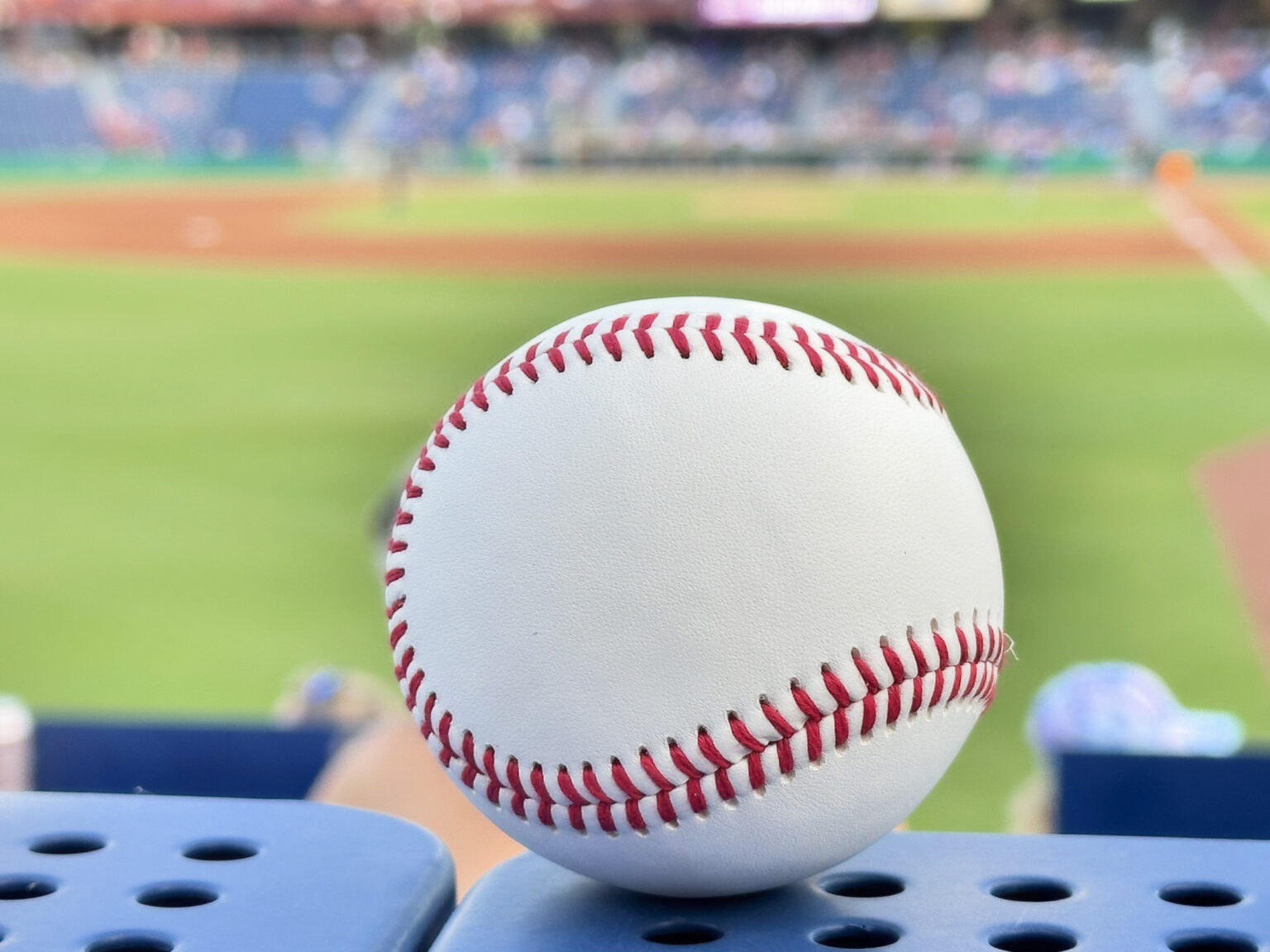
Baseballs are perhaps the most coveted signed items. A single-signed baseball from Garvey, especially one from his rookie season or his MVP-winning 1974 campaign, can fetch hundreds of dollars. Multi-signed baseballs, featuring Garvey alongside teammates like Don Sutton or Ron Cey, are even more valuable, often commanding prices in the thousands. The condition of the ball, the ink quality of the signature, and the presence of any additional inscriptions (such as “To [Name], Best Wishes, Steve Garvey”) all contribute to its desirability.
Bats and jerseys present another avenue for collectors. A game-used bat, signed by Garvey, is a rare find, often accompanied by a certificate of authenticity from a reputable grading service. These bats, with their battle scars and patina, offer a tactile link to the player’s on-field exploits. Jerseys, particularly those from his rookie year or World Series appearances, are highly sought after. A signed jersey in excellent condition, with no fading or fabric wear, can sell for thousands, especially if it’s from a significant season or postseason run.
Photographs and posters also hold appeal. A signed 8×10 glossy of Garvey in his prime, perhaps mid-swing or donning his MVP trophy, can be a striking addition to any collection. Posters from his rookie year or from the Dodgers’ championship seasons are another niche market, with prices varying based on size, condition, and the presence of a signature.
Market Trends and Investment Potential
The market for Steve Garvey’s collectibles has experienced a renaissance in recent years, driven by a confluence of factors. Nostalgia, particularly among collectors who grew up watching Garvey dominate the infield, has played a significant role. The resurgence of interest in vintage baseball cards, coupled with the broader boom in sports memorabilia, has also fueled demand. Additionally, Garvey’s induction into the Baseball Hall of Fame in 2024 has cast a spotlight on his legacy, prompting collectors to reassess the value of his collectibles.
For investors, the key is to focus on quality and rarity. High-grade rookie cards, especially those graded PSA 10 or BGS 9.5, have appreciated steadily over the past decade. Signed memorabilia, particularly items from key seasons or with provenance, has also seen robust growth. However, the market isn’t without its pitfalls. Counterfeit signatures and altered cards remain a persistent threat, making authentication a critical step for any serious collector. Reputable grading services like PSA, BGS, and SGC offer peace of mind, but collectors should always verify the provenance of an item before making a purchase.
Another trend to watch is the rise of the “vintage reprint” market. Some collectors seek out modern reprints of Garvey’s rookie card or signed items, often as a more affordable entry point into collecting. While these items lack the historical cachet of their vintage counterparts, they can still hold sentimental value and serve as a gateway to deeper collecting pursuits.
Where to Buy and What to Look For
For collectors looking to add Steve Garvey’s rookie card or signed memorabilia to their holdings, several avenues exist. Auction houses like Heritage, SCP, and Goldin offer high-end pieces, often with detailed provenance and grading reports. Online marketplaces such as eBay provide a broader selection, though buyers should exercise caution and prioritize sellers with high ratings and positive feedback. Local card shops and memorabilia dealers can also be a goldmine, particularly for those seeking rare or regionally specific items.
When evaluating a purchase, collectors should pay close attention to the item’s condition, authenticity, and historical significance. For rookie cards, grading reports from PSA, BGS, or SGC are essential. For signed memorabilia, look for holograms, certificates of authenticity, or letters of provenance from reputable dealers. Avoid items with questionable signatures or those that lack clear documentation.
It’s also worth considering the long-term potential of an item. While some collectibles may appreciate quickly, others may hold steady or even decline in value. Researching recent auction results and consulting price guides can provide valuable insights into market trends. Additionally, joining collector forums or social media groups dedicated to Garvey’s memorabilia can offer a wealth of knowledge and networking opportunities.
The world of Steve Garvey’s collectibles is a rich tapestry of history, nostalgia, and investment potential. Whether you’re drawn to the iconic 1971 Topps rookie card, the thrill of a signed baseball, or the allure of a game-used bat, each piece offers a unique window into the life and legacy of a baseball legend. As the market continues to evolve, driven by new generations of collectors and the enduring appeal of Garvey’s career, these artifacts will only grow in value and significance. For those willing to invest the time and resources, the rewards—both sentimental and financial—can be substantial. In the end, collecting Steve Garvey’s memorabilia isn’t just about owning a piece of the past; it’s about preserving a legacy that transcends the game itself.