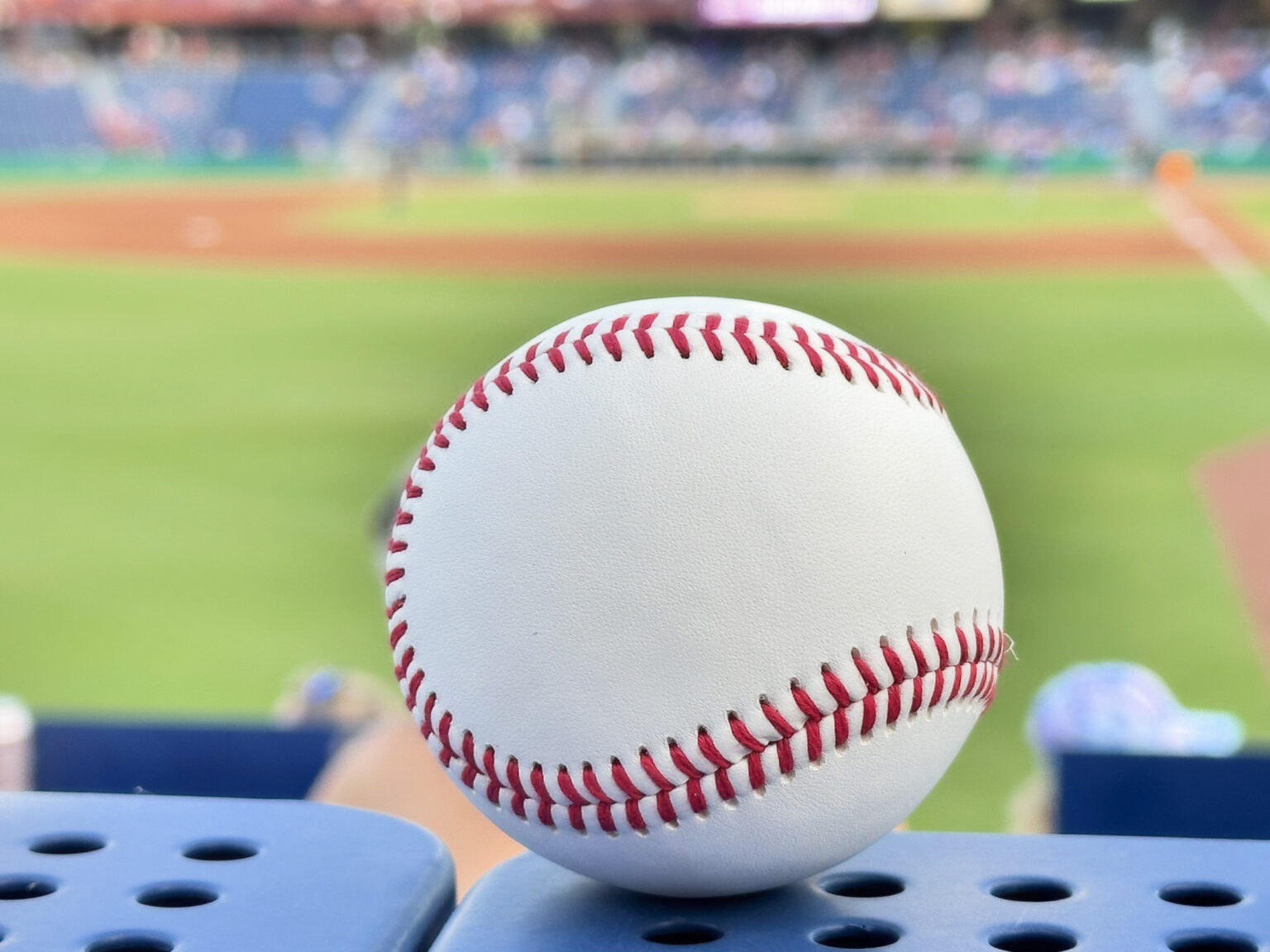
The act of gripping a baseball transcends mere technique; it embodies a ritual that connects a player to the ancient rhythms of the game. For many, the fascination begins with the tactile sensation—the leather seams, the weight of the sphere, the subtle tension in the fingers—and evolves into a deeper appreciation for the myriad ways a ball can twist, dive, or float through the air. Each pitch tells a story, crafted by the nuanced interplay between grip, wrist action, and arm mechanics. Understanding how to hold a baseball is the first step toward mastering this language of movement, offering beginners a gateway into the art and science of pitching.
The Anatomy of a Baseball Grip
Before delving into individual pitch grips, it’s crucial to appreciate the physical characteristics of the baseball itself. A standard baseball measures approximately 9 inches in circumference, wrapped in tightly stitched leather with raised seams that form two parallel horseshoe shapes. These seams are not mere decoration—they are the tactile reference points that guide finger placement and influence the ball’s aerodynamic behavior. The placement of fingers atop or alongside the seams alters the ball’s trajectory by manipulating airflow and spin rate. Consequently, understanding the anatomy of the baseball is foundational to developing an effective and purposeful grip.
Four-Seam Fastball: The Foundation of Control and Velocity
The four-seam fastball is often the starting point for beginners because it emphasizes control and maximum velocity. To achieve this grip, place the index and middle fingers perpendicular across the seams so that each finger rests on a seam, creating four seams that spin toward the batter upon release—hence the name. The thumb lies underneath the ball, providing balance and stability. This grip allows the ball to spin rapidly with backspin, resulting in a straighter and more penetrating pitch. The simplicity of this grip belies its effectiveness and importance as a foundational pitch.
Two-Seam Fastball: Adding Natural Movement
The two-seam fastball differs subtly but significantly from its four-seam counterpart. Here, the index and middle fingers align parallel to the seams, resting closely together on or slightly off the narrow seam portion. The thumb remains beneath the ball, supporting the grip. This orientation induces a different spin, causing the ball to sink and tail toward the pitcher’s arm side. Although it sacrifices a degree of speed, the two-seamer gains movement that can deceive hitters, making it an essential pitch for those seeking to control the strike zone while challenging batters’ timing and spatial perception.
Changeup: Disguising Speed Through a Loose Grip
The changeup is a masterclass in deception, relying on the illusion of fastball mechanics coupled with reduced velocity. The grip typically involves three fingers—the index, middle, and ring fingers—placed atop the baseball, with the thumb underneath. Rather than a tight clasp, the changeup grip is looser, allowing the ball to glide out of the hand with less force. This reduced snap tricks batters into swinging early. Finesse in this pitch comes from subtle wrist pronation and maintaining arm speed identical to a fastball. The skillful blending of grip and delivery makes the changeup one of the most intriguing pitches to learn for beginners.
Curveball: Sculpting a Break with Finger Pressure
The curveball is where finger placement truly becomes an art form. This pitch demands a grip that emphasizes pressure from the middle finger resting along the seam, while the thumb cradles the ball from underneath. The index finger often assists to ensure steady release. The goal is to impart topspin, creating a pronounced downward arc that can bewilder hitters. The key lies in wrist snap and finger pressure rather than brute force. Beginners must pay attention to the subtle variations in finger position and the tension applied, as these govern the pitch’s depth and sharpness. Mastering this grip opens a world of possibilities, combining physics with artistry.
Slider: Achieving Lateral Movement with a Modified Curve Grip
The slider, often described as a hybrid between the fastball and curveball, has its own unique grip. Typically, the pitcher holds the ball slightly off-center, with the index and middle fingers close together along one seam but angled off the horseshoe seam configuration. The thumb supports along the underside seam. This grip creates lateral spin and a late-breaking trajectory, making the slider a potent weapon in any pitcher’s arsenal. The mechanics require releasing the ball with a swift wrist snap while maintaining arm speed, resulting in sharp movement that’s both unexpected and difficult to hit. Understanding this nuanced grip challenges beginners to refine their tactile sensibilities and wrist dexterity.
Knuckleball: Embracing Unpredictability with Fingertip Dabs
The knuckleball belongs to a realm of pitches driven by minimal spin and maximum unpredictability. Gripping the ball with the fingertips or knuckles rather than the pads of the fingers, the pitcher essentially “pushes” the ball out rather than “throws” it. The thumb rests beneath for balance, but the emphasis is on holding the baseball steady with the knuckles of the index and middle fingers digging into the leather. The result is a ball that flutters erratically en route to the plate, confounding hitters and catchers alike. Beginners fascinated by this pitch must embrace patience, as it demands mastery over the delicate balance between grip pressure and release technique to achieve the characteristic erratic motion.
Psychology and Precision: The Grip as a Mental Instrument
The fascination with gripping a baseball also lies in its psychological dimensions. Beyond the physical act, the grip represents a pitcher’s intimate connection with the ball—each variation an intentional message conveying speed, movement, and intent. Learning to grip the baseball thoughtfully encourages mental discipline, concentration, and anticipation. It transforms the pitcher into a strategist, controlling variables in an otherwise unpredictable confrontation. For beginners, cultivating this mindset is as critical as mastering the physical mechanics, as it fosters confidence and enhances execution under pressure. The nuanced grip serves as both a tool of expression and an instrument of control within the grand tapestry of the game.
Concluding Thoughts: Embracing the Journey of Mastery
Gripping a baseball is deceptively simple yet infinitely intricate. Each pitch encapsulates a blend of science, intuition, and artistry, inviting beginners to explore the delicate balance between touch and force, spin and flight path. The initial fascination often arises from observing the ball’s dance through the air, but true enchantment blossoms through hands-on experience and deliberate practice. By systematically learning each grip and understanding its underlying principles, aspiring pitchers open doors to innovation and personal style. The journey from a novice grip to a repertoire of devastating pitches is a pursuit worthy of dedication, curiosity, and respect for baseball’s enduring legacy.