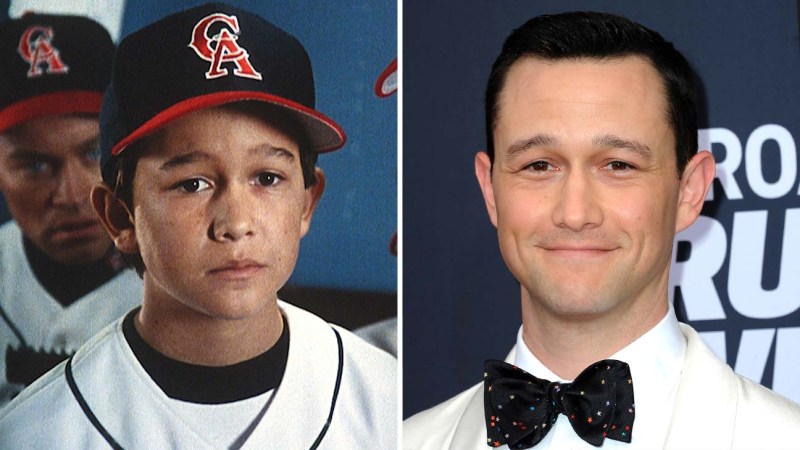
Baseball season isn’t just about stolen bases and grand slams—sometimes, it’s about celestial interference and the unlikeliest of miracles. *Angels in the Outfield* (1994), the family-friendly remake of the 1951 classic, has long been a staple for parents seeking a wholesome sports film with a dash of divine intervention. But in an era where children’s entertainment is scrutinized for its messaging, violence, and emotional complexity, does this baseball flick still hold up as a guilt-free pick for family movie night? Let’s step up to the plate and examine whether this cinematic gem remains a safe bet—or if it’s time to bench it for something more modern.
Why *Angels in the Outfield* Still Tickles the Fancy of Generations
There’s a certain alchemy to *Angels in the Outfield* that transcends its era. At its core, the film is a fable about second chances, redemption, and the power of believing in the impossible. For children, it’s a delightful romp where angels don’t just hover in the heavens—they slide into center field, call audibles from the dugout, and even break a few rules to ensure a happy ending. The movie’s charm lies in its simplicity: a struggling baseball team, a cynical manager, and a group of mischievous angels who’ve taken it upon themselves to meddle in mortal affairs.
Yet, its appeal isn’t just nostalgic. The film’s themes of perseverance and teamwork resonate universally, making it a timeless choice for families. The angels, though whimsical, serve as a metaphor for hope and the idea that sometimes, the universe conspires to help those who dare to dream. For parents, this translates to a rare opportunity to discuss resilience without resorting to heavy-handed moralizing. The movie’s lighthearted tone ensures that even its more sentimental moments feel earned rather than saccharine.
The Divine Intervention Dilemma: Does the Magic Feel Outdated?
While the angels’ antics are undeniably entertaining, their presence raises a subtle question: Is the film’s reliance on supernatural aid too simplistic for today’s kids? Modern children’s media often emphasizes problem-solving through effort and collaboration rather than divine intervention. *Angels in the Outfield* sidesteps this by framing the angels’ help as a last resort—almost a cosmic nudge rather than a crutch. Still, parents might wonder if the film inadvertently teaches kids to expect miracles rather than encouraging them to tackle challenges head-on.
Another consideration is the film’s pacing. The 1994 version moves at a leisurely clip, with long stretches of baseball action interspersed with comedic and dramatic beats. While this might feel nostalgic to adults, today’s young audiences, accustomed to rapid-fire edits and high-stakes storytelling, could find it sluggish. The challenge here is balancing the film’s leisurely rhythm with its ability to hold attention spans that are increasingly fragmented by digital distractions.
Navigating the Moral Landscape: What’s the Takeaway?
At its heart, *Angels in the Outfield* is a morality tale wrapped in a baseball glove. The protagonist, Roger Bomman (played by Joseph Gordon-Levitt), is a foster child who believes in the power of angels to turn his team’s fortunes around. His unwavering faith contrasts with the skepticism of the team’s manager, played by Danny Glover, who represents the pragmatic adult world. The film gently suggests that belief—whether in angels, dreams, or oneself—can be a driving force for change.
However, the movie’s moral compass isn’t without its quirks. The angels’ meddling occasionally borders on mischief, and their methods (like sabotaging opposing players) could raise eyebrows. Parents might need to clarify that while the film celebrates creativity and tenacity, real-life competition should be fair and ethical. The underlying message—that kindness and perseverance are rewarded—remains a solid foundation, but it’s worth discussing how those virtues play out in everyday life.
The Visual and Emotional Tone: A Trip Down Memory Lane
Visually, *Angels in the Outfield* is a product of its time, with the warm, slightly grainy cinematography of the early ’90s. The baseball sequences are lively, capturing the energy of the sport without the hyper-realistic CGI that dominates modern sports films. For parents who grew up with this aesthetic, it’s a comforting throwback. For kids, it might feel like a window into a bygone era—one where baseball games weren’t broadcast in 4K and players didn’t have personalized highlight reels on social media.
Emotionally, the film strikes a balance between humor and heart. The comedic moments, often driven by the angels’ antics, provide levity, while the more poignant scenes—like Roger’s longing for a stable home—add depth. The challenge for parents is gauging whether their children are mature enough to appreciate the film’s subtler emotional beats. Younger viewers might focus solely on the baseball action and angelic shenanigans, while older kids could pick up on the themes of belonging and resilience.
Violence and Conflict: How Much Is Too Much?
For a family film, *Angels in the Outfield* doesn’t shy away from conflict. There are arguments, near-misses on the field, and even a few tense moments where the angels’ interventions could be seen as disruptive. However, the violence is minimal—mostly limited to baseball-related mishaps like wild pitches or collisions at home plate. There’s no bloodshed, no harsh language, and no graphic depictions of danger. The film’s conflicts are resolved with humor and heart, making it a relatively safe choice for most age groups.
The real question is whether the film’s occasional mischief—like the angels causing a ruckus in the stands—might encourage kids to test boundaries. While the angels’ actions are framed as benevolent, parents might want to discuss the difference between playful interference and real-life problem-solving. A brief conversation about the importance of fair play and personal responsibility can help mitigate any unintended lessons.
Cultural Relevance: Does It Still Speak to Today’s Families?
In an age where representation and inclusivity are paramount, *Angels in the Outfield* holds up surprisingly well. The film features a diverse cast, including Danny Glover as a Black manager and Tony Danza as a supportive coach. The story’s themes of found family and community resonate in a world where many children are being raised by non-traditional caregivers. However, the film’s lack of explicit diversity in its angelic cast might prompt discussions about who gets to be a “guardian angel” and why.
The baseball setting itself is a nostalgic touchstone, evoking a time when sports were simpler and community teams were a cornerstone of local culture. For families who still cherish the ritual of attending little league games or playing catch in the backyard, the film’s setting feels like a love letter to those traditions. Yet, for kids who are more accustomed to esports or virtual sports simulations, the analog charm of *Angels in the Outfield* might require a bit of translation.
Final Verdict: Should You Play Ball or Call an Audible?
*Angels in the Outfield* remains a charming, if slightly dated, addition to the family movie canon. Its strengths lie in its heartfelt storytelling, gentle humor, and timeless themes of hope and perseverance. While it may not align perfectly with modern expectations for pacing or moral complexity, its core message is still valuable. The film’s greatest challenge is bridging the gap between its nostalgic appeal and the expectations of today’s young audiences.
For parents seeking a film that sparks conversations about faith, resilience, and teamwork, *Angels in the Outfield* is a solid choice. Just be prepared to discuss its quirks—like the angels’ unconventional methods—and perhaps fast-forward through any scenes that feel too slow for your kids’ tastes. Ultimately, this baseball fairy tale is a reminder that sometimes, the most magical victories come not from skill alone, but from believing in something greater than yourself.