Imagine stepping onto the diamond, the sun glinting off your cleats, the roar of the crowd in your ears—only to feel a sudden, sharp sting ricocheting through your midsection. Baseball is a game of split-second decisions, where a single miscalculation can turn a routine grounder into a high-stakes gamble. But what if there was a silent guardian, a small yet mighty shield, standing between you and the unpredictable fury of a 95-mph fastball? Enter the baseball cup: the unsung hero of the sport, the guardian of the groin, the protector of dreams.
The Unassuming Armor: What Exactly Is a Baseball Cup?
A baseball cup is more than just a piece of molded plastic or carbon fiber tucked into a jockstrap—it’s a carefully engineered barrier designed to absorb and deflect the brutal force of a baseball traveling at breakneck speeds. Typically crafted from high-impact polycarbonate or reinforced polymers, these cups are contoured to fit the male anatomy, offering a balance between protection and mobility. Some models incorporate additional padding or moisture-wicking fabrics to enhance comfort during long games under the sweltering sun.
But here’s the twist: not all cups are created equal. The market teems with variations—some streamlined for minimal bulk, others fortified with extra layers for maximum defense. The choice often hinges on a player’s position, personal comfort, and even the level of competition. Pitchers, for instance, might opt for a cup with reinforced edges to guard against line drives, while infielders may prioritize flexibility to pivot quickly on a bunt.
Why Every Player Needs This Essential Protection
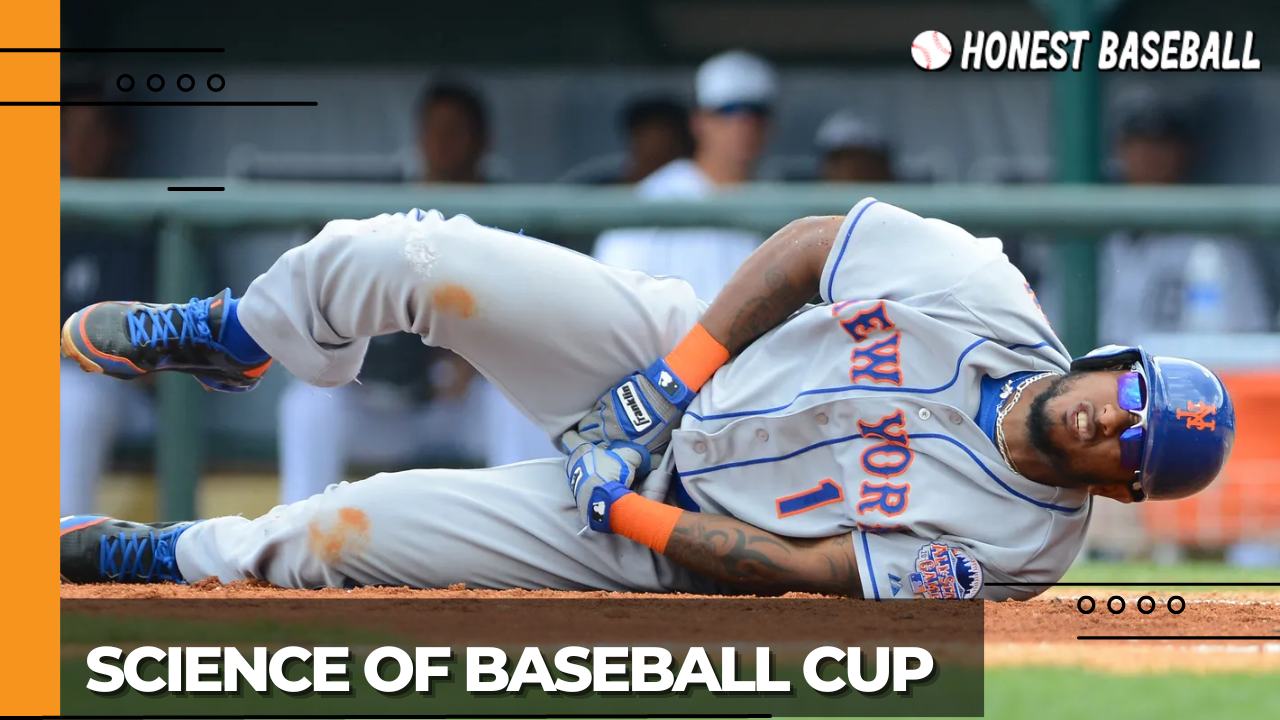
Baseball’s beauty lies in its simplicity, yet its brutality is anything but. A 90-mph fastball doesn’t just sting—it can shatter bones, rupture organs, or leave lasting trauma. The groin is one of the most vulnerable regions on the body, and a single impact can sideline a player for weeks, if not longer. Yet, despite these risks, the debate over cups persists. Some argue that modern protective gear is cumbersome, others claim discomfort outweighs the benefits. But the statistics don’t lie: according to sports medicine reports, groin injuries account for nearly 10% of all baseball-related traumas, with a significant portion stemming from direct ball impacts.
Consider the case of a high school shortstop who took a line drive to the groin during a pivotal playoff game. The pain was excruciating, the recovery lengthy. Had he worn a cup, the story might have ended differently. Protection isn’t just about avoiding pain—it’s about preserving careers, maintaining confidence, and ensuring that one unlucky bounce doesn’t derail years of hard work.
The Psychological Edge: Confidence Behind the Plate
There’s an intangible benefit to wearing a cup that transcends physical safety: mental fortitude. Stepping into the batter’s box or crouching behind home plate with the knowledge that your most sensitive regions are shielded can be a game-changer. Players who trust their gear perform with a different level of aggression, unafraid to dive for a grounder or block a wild pitch. The cup becomes a psychological crutch, a silent partner in every play.
Conversely, players who forgo protection often find themselves hesitating—flinching at the crack of the bat or second-guessing their positioning. In a sport where milliseconds dictate outcomes, hesitation is the enemy. The cup, then, isn’t just a physical barrier; it’s a psychological one, breaking down the mental walls that separate good players from great ones.
Breaking the Stigma: Dispelling Myths and Misconceptions
Despite its undeniable benefits, the baseball cup has long been shrouded in stigma. Some players associate it with a loss of masculinity, as if wearing one implies weakness. Others dismiss it as unnecessary, citing the rarity of serious injuries. But these perceptions are as outdated as they are dangerous. Modern cups are sleek, lightweight, and barely perceptible under uniforms. They don’t hinder performance—they enhance it.
Another myth is that cups are only for younger players. In reality, even seasoned professionals, from minor leaguers to MLB veterans, swear by them. The difference? Education. Once players understand that a cup isn’t a sign of fear but a symbol of preparedness, the stigma begins to crumble. Coaches and parents play a crucial role here, framing the cup not as an option but as a non-negotiable part of the uniform.
Innovation on the Field: The Evolution of Protective Gear
The baseball cup has come a long way from its rudimentary origins. Today’s models are a testament to innovation, incorporating cutting-edge materials and ergonomic designs. Some cups now feature antimicrobial treatments to combat odor, while others boast adjustable straps for a custom fit. Brands like Rawlings and Easton have pushed the boundaries, creating cups that are as comfortable as they are protective.
But the future holds even greater promise. Researchers are exploring smart textiles that can monitor impact forces in real-time, alerting players and medical staff to potential injuries before they escalate. Imagine a cup that vibrates when it detects a dangerous collision, or one that integrates with wearable tech to track cumulative stress on the body. The line between protection and performance is blurring, and the baseball cup is leading the charge.
Beyond the Diamond: The Broader Impact of Protection
The lessons of the baseball cup extend far beyond the confines of the diamond. In a world where safety is often an afterthought, the cup serves as a reminder that preparation can mean the difference between a minor setback and a life-altering injury. It’s a metaphor for the broader ethos of sports: that success isn’t just about skill, but about safeguarding what matters most.
For parents watching their children take their first swings, the cup is a symbol of care. For coaches drafting lineups, it’s a tool for longevity. And for players themselves, it’s a silent promise—a vow to play hard, but never recklessly. In baseball, as in life, the best offense is a good defense.