The anticipation for the 2025 Topps Series 1 Baseball release is already reaching a fever pitch among collectors, and for good reason. This year’s set promises an exhilarating mix of rookies, veterans, and relics that will test the limits of any hobbyist’s budget. But before you dive headfirst into opening boxes or hunting down singles, it’s worth asking: what are your real chances of landing those coveted chase cards? The odds aren’t just a matter of luck—they’re a carefully calculated dance between production numbers, distribution strategies, and collector behavior. Let’s break down the layers of probability that define your path to success in this year’s flagship release.
The Illusion of Randomness: How Topps Designs the Odds
At first glance, pulling a chase card from a hobby box feels like a game of chance, but Topps’ production process is anything but arbitrary. The brand employs a sophisticated allocation system that ensures certain cards appear at predictable ratios, yet the reality is far more nuanced. For instance, the base parallels—those shimmering, numbered layers of every player’s card—are printed in staggering quantities, making them the most attainable finds. The odds of pulling a base parallel #1/1000 are often quoted as 1:15 in a hobby box, but this figure can fluctuate based on regional print runs and collector demand. Meanwhile, the true chase cards—autographs, relics, and refractors—are tucked into the production line with surgical precision. A hobby box might contain one autograph on average, but the distribution isn’t uniform. Some boxes could harbor two, while others might leave you empty-handed, a phenomenon known as “hot” and “cold” boxes. Understanding these variables is the first step in tempering expectations.

Autographs: The Holy Grail and Its Elusive Nature
Few things in the hobby elicit the same visceral reaction as an autograph card. In 2025 Topps Series 1, the autograph checklist is stacked with rookies like Jackson Holliday and Eury Pérez, whose names alone command premium prices on the secondary market. But here’s the catch: the odds of pulling a specific autograph are often buried in the fine print of the checklist. A hobby box might advertise a 1:36 chance for any autograph, but this number encompasses all autographs in the set, not just the marquee names. The real odds of landing Holliday’s signature? They could be closer to 1:200 or worse, depending on how many parallels his autograph appears in. Then there’s the factor of print runs. Topps typically produces fewer high-numbered parallels, meaning a refractor autograph of a superstar rookie could be a needle in a haystack. Collectors who chase autographs should also consider the role of “short prints.” These cards are intentionally printed in lower quantities, but their scarcity isn’t always reflected in the official odds. A short print autograph might have a 1:100 chance in a hobby box, but if it’s a parallel, that number could plummet to 1:500 or less.
Relics: The Tangible Fragments of Greatness
Relic cards—those pieces of game-used jerseys, bats, or helmets—offer a tactile connection to the sport’s history. In 2025 Series 1, the relic game is as competitive as ever, with patches from rising stars and veterans alike. The odds of pulling a relic are generally more favorable than autographs, with hobby boxes often boasting a 1:4 chance for any relic. However, the type of relic matters. A basic game-used bat relic might be abundant, but a jersey patch from a rookie in his first season? That’s where the odds tighten. Parallel relics, such as those found in the “Crown” or “Flawless” tiers, are even scarcer. A Crown relic might have a 1:50 chance in a hobby box, but if it’s a rookie’s jersey patch, the odds could skew closer to 1:200. The key here is to focus on the player’s relevance. A relic from a perennial All-Star like Aaron Judge is far more attainable than one from a prospect who might not crack the majors. Collectors should also keep an eye on the “on-card” relics, which are printed directly onto the card rather than inserted as a patch. These are often more plentiful but lack the prestige of their game-used counterparts.
Refractors and Parallels: The Shimmering Mirage
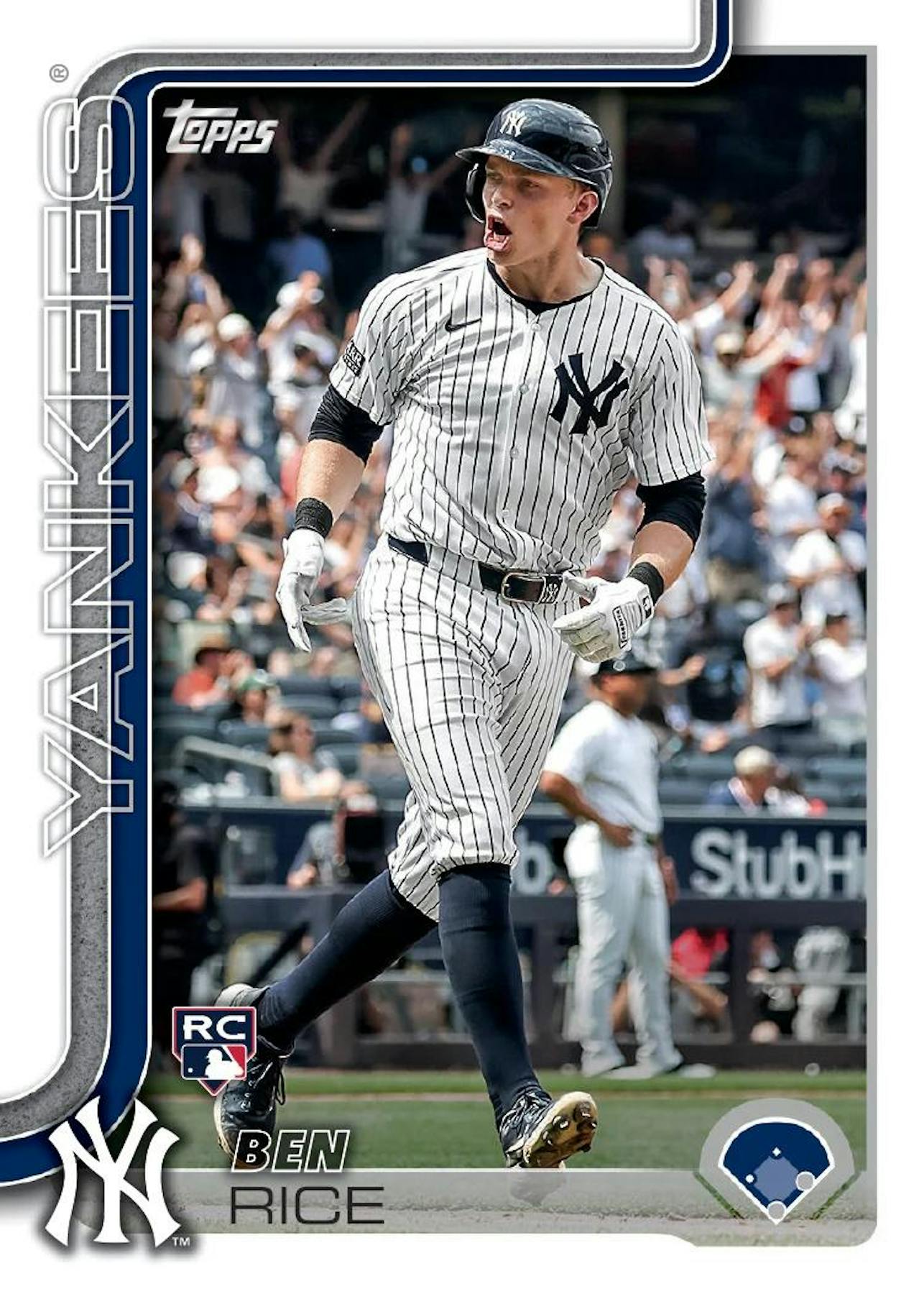
Refractor cards are the darlings of the modern hobby, their iridescent surfaces catching the light like a stadium’s floodlights. In 2025 Series 1, the refractor checklist is a who’s who of the game’s brightest stars, from established sluggers to rookie sensations. The odds of pulling a refractor are typically around 1:3 in a hobby box, but this is a broad stroke. The real challenge lies in the parallels. A base refractor might be common, but a “SuperFractor” or “Black” refractor? Those are unicorns. The odds of a SuperFractor are often quoted at 1:12 hobby boxes, but this number can vary wildly. Some collectors swear by the “hot box” phenomenon, where a single box might contain multiple high-end refractors, while others go years without seeing one. The key to navigating this landscape is to set realistic goals. If your heart is set on a SuperFractor of a rookie, be prepared to open dozens of boxes—or spend hundreds on the secondary market. The allure of refractors is undeniable, but their scarcity makes them a pursuit best tempered with patience.
Box Breaks and Group Dynamics: The Social Side of Odds
For many collectors, the thrill of chasing odds isn’t just about the cards—it’s about the community. Box breaks, where a group pools resources to open multiple boxes and share the spoils, have become a cornerstone of the modern hobby. The odds in a box break are theoretically the same as opening solo, but the dynamics change. A group of 20 breakers might collectively pull multiple chase cards, increasing the chances that at least one person lands a hit. However, this also means that the odds of any single person getting a specific card are diluted. For example, if a hobby box has a 1:36 chance of an autograph, a 20-person break means each participant has roughly a 1:720 chance of landing that autograph. The social aspect of breaks can be rewarding, but it’s essential to understand how it affects individual odds. Breaks are also a way to chase cards you might not otherwise afford. Splitting the cost of a mega box with 10 others could net you a SuperFractor you’d never pull on your own—but it also means sharing the glory (and the disappointment) with a group.
The Secondary Market: When Odds Fail, Money Talks
No discussion of odds would be complete without acknowledging the secondary market, where the real power dynamics of the hobby play out. If the odds of pulling a chase card in a hobby box are slim, the secondary market offers a lifeline—or a financial black hole. Prices for 2025 Series 1 autographs and refractors are already being quoted on platforms like eBay and Facebook Marketplace, often at a premium. The irony is that the cards with the lowest odds in packs often command the highest prices outside them. A rookie autograph that might have a 1:200 chance in a hobby box could sell for $500 on the secondary market. This creates a paradox: the harder a card is to pull, the more valuable it becomes, which in turn drives up its price further. Collectors must decide whether to chase the dream of pulling a chase card themselves or to accept the odds and buy it outright. The secondary market is a double-edged sword—it democratizes access to rare cards but also turns the hobby into a high-stakes gamble for those with deep pockets.
The 2025 Topps Series 1 Baseball release is a masterclass in controlled scarcity, where every card’s existence feels like a carefully guarded secret. The odds are designed to keep collectors coming back, whether through the thrill of the chase or the allure of the secondary market. Understanding these odds isn’t about dampening the excitement—it’s about arming yourself with knowledge so you can navigate the hobby with confidence. Whether you’re a seasoned breaker, a patient single-box opener, or a strategic secondary market shopper, the key is to set your expectations early and stick to your strategy. The chase is half the fun, but the cards? Those are the trophies that make it all worthwhile.