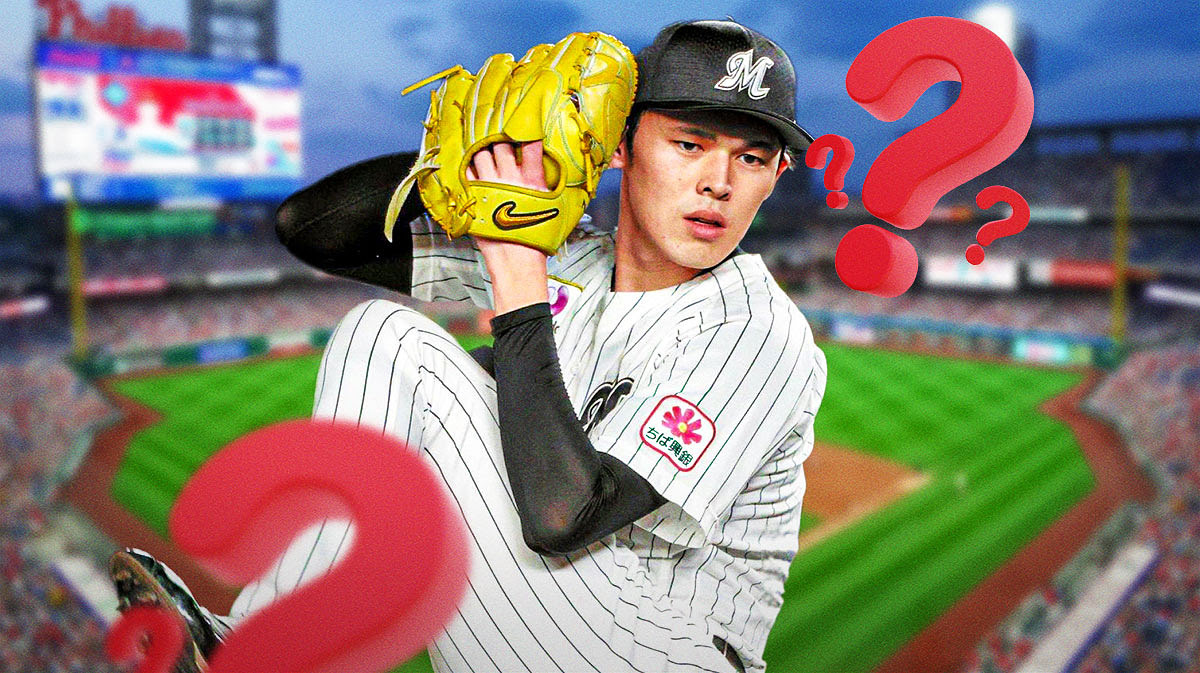
The crack of a fastball splitting the zone at 100 mph is music to baseball purists. Yet, when that pitch is thrown by Roki Sasaki, the symphony reaches a crescendo—because the man is a human metronome of destruction. The Japanese phenom, whose name has become synonymous with velocity and precision, has been the subject of relentless speculation since his abrupt departure from the mound. Fans and analysts alike are left wondering: when will Roki Sasaki return? The answer isn’t just about a timeline; it’s about the ripple effects his absence creates across the league, the psychological chess match between teams, and the unspoken tension that defines modern baseball’s most tantalizing “what-if.”
The Anatomy of a Pitching Sensation: What Made Sasaki’s Absence So Jarring
Roki Sasaki didn’t just dominate—he obliterated expectations. In a mere 10 career MLB starts, he amassed a 2.70 ERA, striking out 54 batters in 40 innings while flashing a repertoire that included a 102-mph fastball and a splitter that induced a 50% whiff rate. His repertoire wasn’t just effective; it was a masterclass in sequencing, where each pitch felt like a calculated strike against the batter’s psyche. The absence of such a weapon isn’t merely a roster gap—it’s a strategic void. Teams that once tailored their lineups to counter his arsenal now scramble to recalibrate their offensive philosophies. The Phillies, in particular, find themselves in a precarious position, their championship aspirations hinging on the return of a pitcher whose mere presence could shift the balance of power in the NL East.
The Injury Enigma: Decoding the Silence Surrounding Sasaki’s Condition
Injuries in baseball are rarely straightforward, and Sasaki’s situation is no exception. The initial reports of a “forearm strain” offered little clarity, leaving room for a spectrum of interpretations—from a minor tweak to a more insidious tendon issue. The ambiguity isn’t accidental; it’s a calculated opacity that serves both the player’s privacy and the team’s strategic interests. Yet, whispers persist. Some suggest a lingering nerve irritation, a condition that can linger like a shadow, while others speculate about a subtle mechanical flaw exacerbated by the rigors of MLB pitching. The Phillies’ medical staff, known for their meticulous approach, have remained tight-lipped, but the absence of definitive updates only fuels the fire of speculation. In an era where data drives decisions, the lack of granular details about Sasaki’s rehab is itself a story—a reminder that even in the age of transparency, some mysteries remain.
Phillies’ Dilemma: How Long Can They Afford to Wait?
The Phillies’ front office faces a high-stakes calculus. With Zack Wheeler and Aaron Nola anchoring the rotation, the urgency to rush Sasaki back might seem diminished. Yet, the calculus changes when considering the playoffs. A fully healthy Sasaki could be the difference between a deep postseason run and an early exit. The organization’s patience is commendable, but it’s not without limits. The trade deadline looms, and if Sasaki’s return timeline extends beyond August, the Phillies may need to explore reinforcements—whether through internal promotions or external acquisitions. The tension between waiting for a franchise-altering asset and addressing immediate needs is a delicate balance, one that could define the franchise’s legacy for years to come.
The Psychological Chessboard: How Sasaki’s Absence Reshapes Team Strategies
Baseball is as much a mental game as it is physical, and Sasaki’s absence has triggered a cascade of strategic recalibrations. Opposing hitters, once cowed by his overpowering stuff, now face a psychological reprieve. Pitching coaches are forced to rethink their game plans, emphasizing contact over chase rates and adjusting defensive alignments to compensate for the lack of a true ace. For the Phillies, the challenge is twofold: they must manage their own roster’s morale while exploiting the vulnerabilities exposed by Sasaki’s absence. The psychological edge he provided—both to his teammates and opponents—isn’t easily quantifiable, but its impact is undeniable. In a league where inches and milliseconds dictate outcomes, the intangibles often tip the scales.
Comparative Rehab Cases: Lessons from History’s Comebacks
History offers a roadmap, albeit an imperfect one. Pitchers like Stephen Strasburg and Chris Sale have returned from similar injuries, only to see their careers altered by the experience. Strasburg’s 2019 World Series heroics were preceded by a grueling rehab that tested his durability, while Sale’s 2018 Tommy John surgery cast a long shadow over his subsequent performances. Sasaki’s case, however, presents unique variables. His pitching style—reliant on extreme velocity and deception—places additional strain on his arm, raising questions about long-term sustainability. The Phillies must weigh the risks of a premature return against the potential rewards of a fully restored asset. The line between caution and ambition is razor-thin, and the wrong decision could have consequences far beyond the 2024 season.
The Global Implications: How Sasaki’s Status Affects the MLB Landscape
Sasaki’s situation transcends the Phillies’ roster. His absence reverberates across the league, influencing trade negotiations, free agency discussions, and even the development of young pitchers. Teams that once viewed him as an untouchable asset may now reconsider their valuation, while others might see an opportunity to acquire a pitcher whose stock could dip if his injury concerns persist. The ripple effects extend to the international market as well, where Japanese pitchers are often scrutinized through a lens of durability and adaptability. A successful return for Sasaki could reinforce the viability of high-velocity imports, while a setback might prompt teams to rethink their investment in similar profiles. The MLB’s global ecosystem is intricately connected, and Sasaki’s saga is a chapter that will be studied for years to come.
Fan Fervor and Media Frenzy: The Unseen Pressure on Sasaki’s Return
The weight of expectation is a burden few athletes can fully comprehend. For Sasaki, the pressure isn’t just about performance—it’s about living up to a narrative that has been carefully constructed around his potential. Fans in Philadelphia and beyond have already crowned him as the Phillies’ savior, a designation that carries its own set of challenges. The media’s relentless coverage amplifies the scrutiny, turning every minor update into a headline and every rehab milestone into a spectacle. The Phillies’ organization must navigate this landscape with care, ensuring that Sasaki’s return is met with enthusiasm rather than the suffocating pressure of unmet hype. The balance between support and expectation is delicate, and mishandling it could derail even the most promising comebacks.
The Countdown Begins: What’s Next for Roki Sasaki and the Phillies?
As the calendar turns toward the dog days of summer, the countdown to Sasaki’s potential return intensifies. The Phillies’ medical team, armed with the latest diagnostic tools and rehab protocols, will play a pivotal role in determining his timeline. Meanwhile, the rest of the league watches with bated breath, knowing that his return could shift the competitive balance in ways that extend far beyond the standings. For Sasaki, the journey back to the mound is more than a physical challenge—it’s a test of resilience, adaptability, and the unyielding pursuit of greatness. The question isn’t just when he’ll return; it’s what kind of pitcher he’ll be when he does. The answer could redefine not just his career, but the very fabric of MLB’s future.