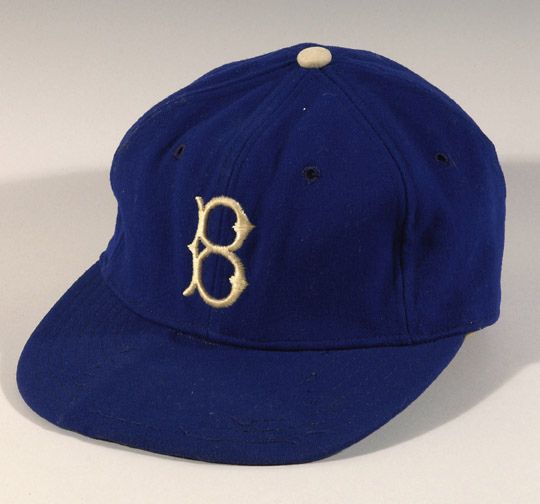
The Brooklyn Dodgers baseball cap is more than just a piece of headwear—it’s a relic of a bygone era, a tangible fragment of America’s sporting soul. Once the emblem of a team that broke racial barriers and redefined baseball, the cap now enjoys a renaissance, adorning heads far beyond the confines of Ebbets Field. Its resurgence isn’t merely a nostalgic trend; it’s a cultural echo, a silent testament to the enduring allure of vintage aesthetics in a world obsessed with the new. Why does this particular cap captivate so many? The answer lies not just in its design, but in the stories it carries—stories of Jackie Robinson’s courage, of Brooklyn’s blue-collar grit, and of a game that once mirrored the raw, unfiltered spirit of its fans.
The Allure of Vintage: Why the Past Feels So Alive Today
In an age of disposable fashion and algorithm-driven trends, the Brooklyn Dodgers cap stands as a defiant embrace of permanence. Its faded embroidery, its slightly worn brim—these imperfections aren’t flaws; they’re badges of authenticity. The vintage aesthetic thrives because it offers something modern apparel cannot: a sense of history etched into every stitch. When you wear this cap, you’re not just donning a accessory; you’re carrying a fragment of the 1940s and 50s, when baseball was as much about community as it was about competition. The cap’s resurgence reflects a broader cultural hunger for depth, for objects that transcend their functional purpose and become vessels of memory.
Consider the way sunlight catches the threadbare threads of a well-loved cap. It’s a quiet rebellion against the sterile perfection of mass-produced goods. The Brooklyn Dodgers cap, with its bold “B” and timeless silhouette, becomes a portable shrine to an era when sports were woven into the fabric of daily life. It’s no wonder collectors and casual fans alike are drawn to it—this cap is a time capsule, and wearing it is an act of communion with the past.
The Brooklyn Dodgers: A Team That Transcended the Game
To understand the cap’s magnetic pull, one must first grasp the legacy of the team it represents. The Brooklyn Dodgers weren’t just a baseball team; they were a symbol of resilience and progress. In 1947, Jackie Robinson shattered the color barrier, not with a bat or a glove, but with quiet dignity. The Dodgers’ move to Los Angeles in 1958 marked the end of an era, but their spirit endured in the hearts of fans who refused to let their memory fade. The cap, with its unmistakable “B,” became a rallying point for those who saw in the Dodgers more than a franchise—they saw a beacon of social change.
The team’s underdog status only deepened its mythos. In a league dominated by powerhouse franchises, the Dodgers played with a scrappy, improvisational flair that resonated with Brooklyn’s working-class identity. Their ballpark, Ebbets Field, was a cathedral of the everyday, where hot dogs cost a nickel and the roar of the crowd drowned out the hum of the subway. The cap, then, is more than a souvenir; it’s a talisman of that unshakable spirit, a reminder that greatness isn’t measured in championships alone, but in the way a team captures the imagination of its city.
The Aesthetic: Why the Design Endures Across Decades
The Brooklyn Dodgers cap’s design is deceptively simple—a navy blue crown, a white “B,” and a red brim—but its power lies in its restraint. Unlike the garish logos of modern sportswear, this cap speaks in subtleties. The “B” isn’t just a letter; it’s a declaration, a nod to Brooklyn’s blue-collar roots. The color scheme evokes the grit of a city that never slept, where dreams were forged in the shadow of factories and docks. The cap’s silhouette, with its slightly curved brim and snug fit, was made for movement, for the wind whipping through the stands of Ebbets Field as Duke Snider launched another home run into the right-field bleachers.
Fashion cycles are fickle, but the Dodgers cap has sidestepped obsolescence by remaining eternally adaptable. It pairs effortlessly with denim jackets, vintage tees, and even tailored suits, proving its chameleon-like versatility. In an era where streetwear dominates, the cap’s classic lines offer a counterpoint—a reminder that style need not be loud to be impactful. Its resurgence in streetwear collaborations, from high-end designers to indie brands, speaks to its universal appeal. Whether worn by a Brooklynite strolling down Flatbush Avenue or a tourist snapping photos in front of the old stadium site, the cap’s design transcends trends because it feels like it was always meant to exist.
The Cultural Ripple Effect: From Ballpark to Streetwear
The Brooklyn Dodgers cap’s journey from the dugout to the sidewalk is a study in cultural osmosis. What began as a functional piece of athletic gear has evolved into a fashion statement, a status symbol, and a conversation starter. Its adoption by musicians, artists, and influencers has cemented its place in the zeitgeist. When Pharrell Williams or A$AP Rocky are seen wearing it, the cap isn’t just a throwback—it’s a bridge between generations, a way to honor the past while asserting a modern identity.
This phenomenon isn’t unique to the Dodgers cap, but it’s particularly potent here. The cap’s revival mirrors the broader resurgence of retro sportswear, a trend fueled by a collective desire to reconnect with eras perceived as more authentic. In a world of digital avatars and virtual experiences, the cap offers something tangible—a piece of history you can hold in your hands. It’s no coincidence that vintage sports memorabilia has become a booming market, with collectors willing to pay premium prices for a piece of the past. The Dodgers cap, with its storied lineage, sits at the apex of this movement.
The Psychology of Nostalgia: Why We Long for the Past
At its core, the Brooklyn Dodgers cap’s appeal is a psychological one. Nostalgia isn’t just a sentimental indulgence; it’s a coping mechanism, a way to anchor ourselves in a world that feels increasingly fragmented. The cap, with its connection to a seemingly simpler time, offers a sense of stability. It’s a reminder that even in eras of upheaval—war, civil rights struggles, economic uncertainty—baseball provided a constant, a place where communities could gather and find solace in shared joy.
Psychologists argue that nostalgia serves a deeper purpose: it bolsters our sense of identity and continuity. When we wear the Dodgers cap, we’re not just paying homage to a team; we’re aligning ourselves with a set of values—resilience, community, authenticity. The cap becomes a wearable manifesto, a way to declare, “I stand for something real.” In an age of fleeting trends and disposable culture, that’s a powerful statement.
The Future of the Cap: Will Its Legacy Endure?
The Brooklyn Dodgers cap’s resurgence shows no signs of waning, but its future hinges on more than just nostalgia. As long as baseball remains a cornerstone of American culture, the cap will retain its relevance. However, its longevity will depend on its ability to evolve without losing its soul. Collaborations with contemporary designers, limited-edition releases, and digital integrations (such as augmented reality experiences tied to historic moments) could ensure its place in the cultural lexicon for decades to come.
Yet, the cap’s true power lies in its simplicity. It doesn’t need gimmicks to captivate. Its story—of a team that broke barriers, of a city that never stopped believing, of a game that united strangers—is enough. The Brooklyn Dodgers cap is more than a fashion statement; it’s a legacy. And legacies, by their very nature, refuse to fade.