In the grand theater of Major League Baseball, where the crack of the bat echoes through stadiums and the scent of popcorn mingles with the summer air, a silent drama unfolds each season. It’s not the drama of walk-off home runs or clutch pitching—though those moments certainly steal the spotlight. No, the real narrative lies in the balance sheets, in the ledgers of red and black ink that determine a team’s fate long before the first pitch is thrown. The question isn’t just about wins and losses; it’s about whether a franchise is in the red or in the black—a financial distinction that shapes everything from roster construction to fan expectations. But what does it truly mean when a team is drowning in debt or swimming in surplus? And how does this invisible war behind the scenes influence the game we love?
The Ledger’s Shadow: Why Payroll Matters More Than You Think
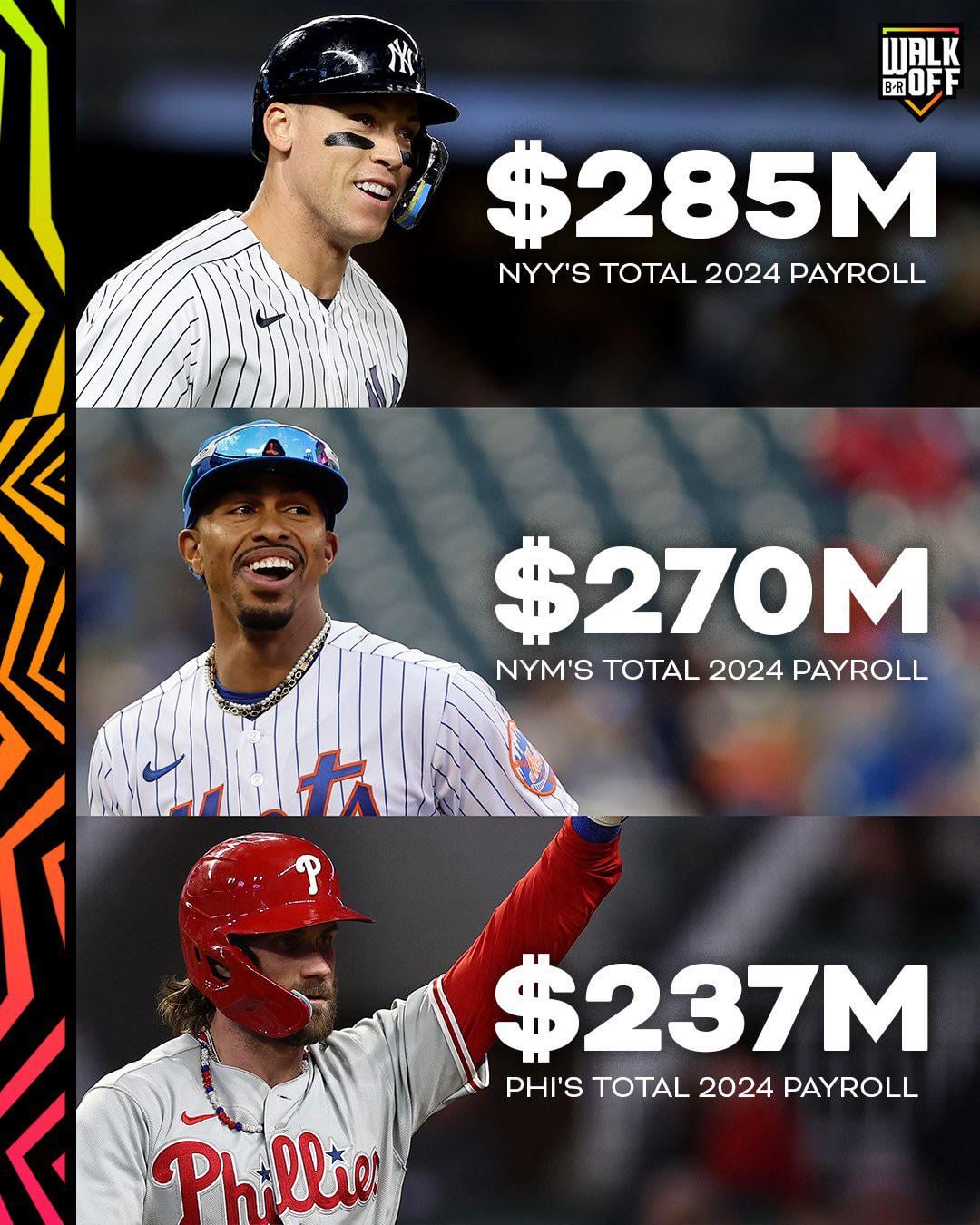
At first glance, a team’s payroll is just a number—a dollar figure that flashes across headlines during the hot stove season. Yet, this figure is the lifeblood of a franchise’s ambitions. When a team is in the black, payroll becomes a tool for dominance, a way to lure superstars with eight-figure contracts and build dynasties that last generations. The New York Yankees, for instance, have long wielded their financial might like a sledgehammer, signing marquee players to ensure contention year after year. But when a team dips into the red, the calculus shifts dramatically. Payroll isn’t just a budget; it’s a constraint, a straitjacket that forces general managers to make Faustian bargains—trading draft picks for short-term fixes or pinching pennies on mid-tier free agents who might never pan out.
Consider the Oakland Athletics in the early 2000s. Under Billy Beane, they mastered the art of thriving on a shoestring budget, leveraging analytics to unearth undervalued talent. Their payroll was a fraction of the league’s elite, yet they remained competitive. But even the A’s couldn’t escape the gravitational pull of financial reality. When revenue streams dry up—whether from poor attendance, dwindling TV deals, or mismanagement—the payroll becomes a ticking time bomb. The difference between in the red and in the black isn’t just about having money; it’s about having the right kind of money, spent with surgical precision.
The Domino Effect: How Financial Health Ripples Through the Roster
The impact of a team’s financial standing extends far beyond the clubhouse. When a franchise is in the red, the ripple effects are immediate and brutal. Player development suffers. Minor league systems, once fertile grounds for future stars, become afterthoughts as resources are diverted to service debt or cover operating costs. The scouting department, tasked with finding the next Mookie Betts or Jacob deGrom, is hamstrung by budget cuts, forced to make do with second-tier prospects who may never ascend to the majors. Meanwhile, the major league roster becomes a revolving door of stopgaps—veteran players on one-year deals, reclamation projects plucked from obscurity, and the occasional splashy signing that backfires spectacularly.
Contrast this with a team in the black, where financial stability breeds confidence. The front office can afford to take calculated risks, whether it’s signing a high-ceiling free agent or locking up homegrown talent before they hit the open market. The Astros’ resurgence in the mid-2010s was, in part, a product of their ability to spend aggressively on pitching and analytics infrastructure. Their payroll wasn’t just a number; it was an investment in a system that prioritized long-term success over short-term savings. But here’s the catch: even the most solvent franchises aren’t immune to the pitfalls of profligacy. The Los Angeles Dodgers’ payroll ballooned to over $200 million in 2013, yet it took years of shrewd maneuvering to translate that spending into a championship. Money alone doesn’t guarantee success—it’s how you wield it that matters.
The Fan’s Dilemma: When the Ledger Trumps the Lineup
For the average fan, the distinction between in the red and in the black might seem like an abstract concern, a concern best left to the suits in the front office. But the reality is far more visceral. When a team is mired in debt, the product on the field often reflects it. Fans show up to ballparks expecting to see stars, not salary dump trades or hastily assembled lineups that resemble a Madden Ultimate Team squad. The emotional toll is palpable. Loyal supporters, who once packed stadiums with hope, find themselves disillusioned as the team’s fortunes wane. Attendance drops. Merchandise sales stagnate. The franchise’s brand, once a source of civic pride, becomes a punchline.
Yet, there’s a perverse irony here. Some of the most storied franchises in baseball history have thrived despite—or perhaps because of—their financial struggles. The 2004 Boston Red Sox, fresh off an 86-win season and a payroll that ranked 11th in the league, defied expectations by winning the World Series. Their secret? A mix of shrewd trades, homegrown talent, and a front office unafraid to make bold moves. In this sense, being in the red can be a crucible that forges resilience. But it’s a high-wire act, one that demands near-perfect execution. For every Cinderella story, there are a dozen teams that collapse under the weight of their own financial mismanagement.
The Luxury Tax Loophole: A Double-Edged Sword
Enter the luxury tax—a mechanism designed to curb spending by penalizing teams that exceed a predetermined payroll threshold. Ostensibly, it’s a tool for competitive balance, a way to prevent the rich from hoarding all the talent. In practice, it’s a labyrinth of loopholes and workarounds that often benefit the teams it’s meant to punish. The New York Yankees, perennial luxury tax offenders, have turned the system into a fine-tuned machine, paying millions in penalties while still assembling championship-caliber rosters. Their ability to navigate the luxury tax’s complexities is a testament to the resourcefulness of modern front offices—but it also highlights the system’s flaws.
For teams in the red, the luxury tax is a death knell. It disincentivizes spending, forcing GMs to make painful choices between retaining homegrown talent and fielding a competitive team. The Tampa Bay Rays, masters of fiscal restraint, have thrived by exploiting the luxury tax’s thresholds, avoiding penalties while still competing at a high level. But their success is a double-edged sword. While they’ve proven that financial prudence can yield results, they’ve also demonstrated the limitations of a model that prioritizes efficiency over ambition. The question lingers: Is it better to be a scrappy underdog or a payroll-driven juggernaut? The answer, as always, depends on who you ask.
The Future of the Ledger: Can Baseball Escape Its Financial Quagmire?
The tension between in the red and in the black is more than a financial story—it’s a cultural one. Baseball, a sport steeped in tradition, is at a crossroads. The game’s economics are evolving, with revenue sharing, streaming rights, and international markets reshaping the landscape. Teams that once relied on local TV deals are now diversifying their income streams, but the divide between haves and have-nots grows wider with each passing season. The challenge for MLB isn’t just about balancing the ledger; it’s about ensuring that the soul of the game isn’t lost in the process.
For the teams in the black, the path forward is clear: invest in infrastructure, cultivate homegrown talent, and avoid the siren song of short-term spending. For those in the red, the road is far rockier. They must innovate, find new revenue streams, and perhaps most importantly, resist the temptation to mortgage their futures for a quick fix. The stakes couldn’t be higher. Baseball’s future isn’t just about who wins the World Series—it’s about who can survive the financial gauntlet that defines the modern game.
The ledger, it turns out, is more than a scorecard. It’s a mirror, reflecting the priorities of a franchise and the values of the game itself. Whether a team is swimming in black ink or drowning in red, one thing is certain: the choices made today will echo for decades to come.