Have you ever gripped a baseball bat, felt its weight, and wondered what makes it the perfect tool for cracking home runs or delivering precise bunts? A baseball bat isn’t just a piece of wood or metal—it’s a finely tuned instrument, each part playing a crucial role in the game. From the mighty barrel to the slender handle, every inch of this iconic piece of equipment is designed with purpose. But what happens when one of these components fails? Imagine stepping up to the plate, only to realize your bat’s grip is slipping or the barrel’s sweet spot has vanished. The challenge isn’t just in swinging—it’s in mastering the bat itself. Let’s dissect the anatomy of a baseball bat, exploring how each part contributes to power, control, and precision.
The Barrel: Where Power Meets Precision
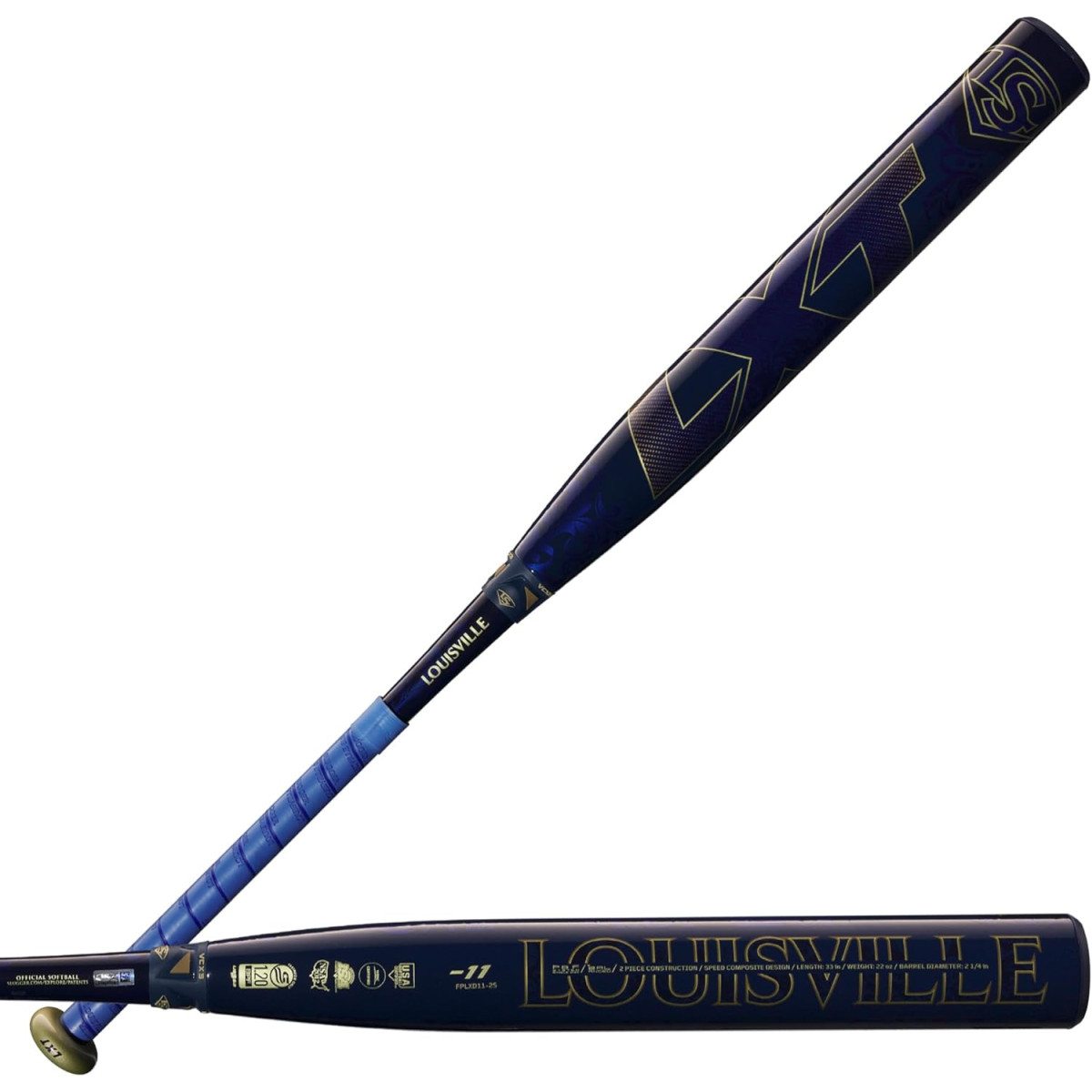
The barrel is the business end of the bat, the thick, rounded portion that makes contact with the ball. It’s where raw power transforms into soaring line drives or game-winning home runs. The barrel’s design is a study in physics and material science. A larger barrel diameter increases the bat’s moment of inertia, making it harder to swing but offering a bigger sweet spot for forgiveness on off-center hits. Conversely, a narrower barrel allows for quicker bat speed, ideal for contact hitters who prioritize speed over power. The barrel’s taper, where it narrows toward the handle, is equally critical. This transition zone must balance flexibility and rigidity to prevent energy loss during impact. Wooden bats, like those made from ash or maple, often feature a more pronounced taper, while aluminum bats may have a smoother transition to enhance durability. The barrel’s surface finish also plays a role—smooth finishes reduce drag, while textured ones can improve grip. But here’s the catch: a barrel that’s too heavy or poorly balanced can turn even the most powerful swing into a liability. The key lies in finding the right barrel weight and length for your swing mechanics.
The Sweet Spot: The Bat’s Golden Zone
Nestled within the barrel is the sweet spot, a narrow band where the ball meets the bat with maximum efficiency. This is the zone where energy transfer is optimized, sending the ball hurtling toward the outfield with minimal vibration. The sweet spot’s location varies depending on the bat’s design—some bats have it closer to the barrel’s end, while others position it slightly inward. The material composition also matters; composite bats often have a larger sweet spot than their wooden counterparts due to their uniform density. But the sweet spot isn’t just about power—it’s about control. A well-struck ball in this zone minimizes sting to the hands and maximizes distance. However, misjudging the sweet spot can turn a solid hit into a weak grounder or a pop-up. Players often spend hours in batting cages, training their muscle memory to consistently find this elusive zone. The challenge? Fatigue and pressure can dull even the most honed instincts. What if your bat’s sweet spot shifts over time, or worse, disappears entirely? That’s when even the most seasoned players must adapt—or risk striking out.
The Handle: The Unsung Hero of Control
While the barrel steals the spotlight, the handle is the quiet force that dictates a batter’s command over the bat. This slender, cylindrical section connects the barrel to the knob, serving as the primary interface between player and tool. The handle’s diameter and taper influence grip strength and wrist action. A thicker handle can reduce sting on mishits but may sacrifice bat speed, while a thinner one allows for quicker rotations but demands precise hand placement. The material matters too—some handles are wrapped in leather or synthetic grips to enhance tackiness, while others rely on the natural texture of the wood. The handle’s flex is another critical factor. A handle that’s too rigid can transmit vibrations up the arms, leading to discomfort or even injury. Conversely, a handle with too much give can sap power from the swing. The challenge for bat manufacturers is creating a handle that balances flexibility and firmness, a task that’s as much art as it is science. For players, the handle’s performance can mean the difference between a controlled line drive and a wild swing-and-miss.
The Knob: The Anchor That Prevents Slippage
At the base of the bat, the knob acts as a silent guardian, preventing the bat from flying out of the batter’s hands during a swing. This small, often underappreciated feature is a critical safety measure. A well-designed knob fits snugly into the batter’s palm, providing a secure anchor point. Some knobs are flared, while others are flat or contoured to match the natural grip of the hand. The knob’s size and shape can also influence the bat’s balance point, subtly affecting swing weight. A larger knob may shift the balance toward the handle, making the bat feel lighter and easier to control, while a smaller one can create a more end-loaded feel. The challenge? A knob that’s too bulky can feel cumbersome, while one that’s too small may not provide enough security. For young players or those with smaller hands, the knob’s design can be a make-or-break factor in their ability to wield the bat effectively.
The End Cap: The Final Touch of Performance
Often overlooked, the end cap is the bat’s finishing flourish—a small but mighty component that can alter the bat’s swing dynamics. In wooden bats, the end cap is typically a solid piece of the same material, sealing the barrel’s hollow interior. In metal bats, it’s often a separate component, sometimes adjustable, that can fine-tune the bat’s balance and swing weight. The end cap’s weight distribution affects the bat’s moment of inertia, with heavier caps creating a more end-loaded feel and lighter ones promoting quicker acceleration. Some end caps are designed with vents or holes to reduce air resistance, while others are solid to maximize durability. The challenge for players is finding an end cap that complements their swing style. A cap that’s too heavy can slow down the swing, while one that’s too light may not provide enough stability. For players who rely on bat speed, the end cap’s design can be the difference between a crisp contact and a feeble chop.
The Transition Zone: Bridging Power and Control
Where the barrel meets the handle lies the transition zone, a critical but often overlooked segment of the bat. This tapered section must seamlessly blend the barrel’s power with the handle’s control. A poorly designed transition can create a dead spot, where energy dissipates instead of transferring to the ball. In wooden bats, the transition is typically more pronounced, with a gradual taper to prevent cracking under stress. In metal bats, the transition is often smoother, with a more uniform thickness to enhance durability. The challenge for bat designers is creating a transition that doesn’t compromise either power or control. For players, the transition zone’s feel can reveal a lot about the bat’s overall performance. A bat with a well-crafted transition will feel balanced and responsive, while one with a flawed transition may feel sluggish or unpredictable.
The Grip: The Unsung Factor in Bat Performance
While not a physical part of the bat, the grip is the final layer of interaction between player and tool. A proper grip can enhance control, reduce fatigue, and even improve bat speed. The grip’s texture, thickness, and material all play a role in how the bat feels in the hands. Leather grips, for example, offer a classic feel and excellent tackiness, while synthetic grips can provide a more cushioned, vibration-dampening experience. The grip’s placement is also crucial—too high, and the bat feels top-heavy; too low, and the swing loses power. The challenge for players is finding a grip that suits their preferences and playing conditions. A grip that’s too slick can lead to slippage, while one that’s too tacky can cause hand fatigue. For players in humid or wet conditions, the grip’s performance can be the deciding factor between a solid hit and a dropped bat.
The baseball bat is more than just a tool—it’s an extension of the player, a partner in every swing, every hit, and every game. Understanding its parts isn’t just about appreciating its design; it’s about unlocking its full potential. Whether you’re a power hitter chasing home runs or a contact hitter aiming for precision, each component of the bat plays a role in your success. The next time you step up to the plate, take a moment to feel the barrel’s weight, the handle’s balance, and the grip’s texture. Because in baseball, as in life, the devil is in the details—and the difference between a good swing and a great one often lies in the parts you can’t see.