The slider pitch is baseball’s most devious deception—a pitch that doesn’t just fool the eye, but dismantles the batter’s rhythm, confidence, and timing with surgical precision. Unlike the fastball’s brute force or the curveball’s dramatic arc, the slider is a pitch of subtlety and misdirection, a pitch that arrives with the velocity of a heater but the late-breaking movement of a breaking ball. It’s the pitch that separates the good hitters from the great, the one that turns a confident swing into a frustrated whiff. To understand why hitters struggle against it, we must first peel back the layers of its deception, examining its mechanics, its psychological impact, and the rare breed of pitchers who wield it like a scalpel.
The Illusion of a Fastball: How the Slider Begins Its Deception
The slider’s genius lies in its ability to masquerade as something it’s not. At first glance, it resembles a fastball—same arm speed, same release point, same explosive energy. But as it hurtles toward the plate, something sinister happens. The pitch doesn’t just travel in a straight line; it begins to shimmy, to dance, to break late with a sharp, downward bite. The batter, trained to expect a fastball’s relentless straight line, commits to a swing based on that initial deception. By the time the pitch reveals its true nature, it’s too late. The bat cuts through empty air, and the umpire’s call of “strike three” echoes like a verdict.
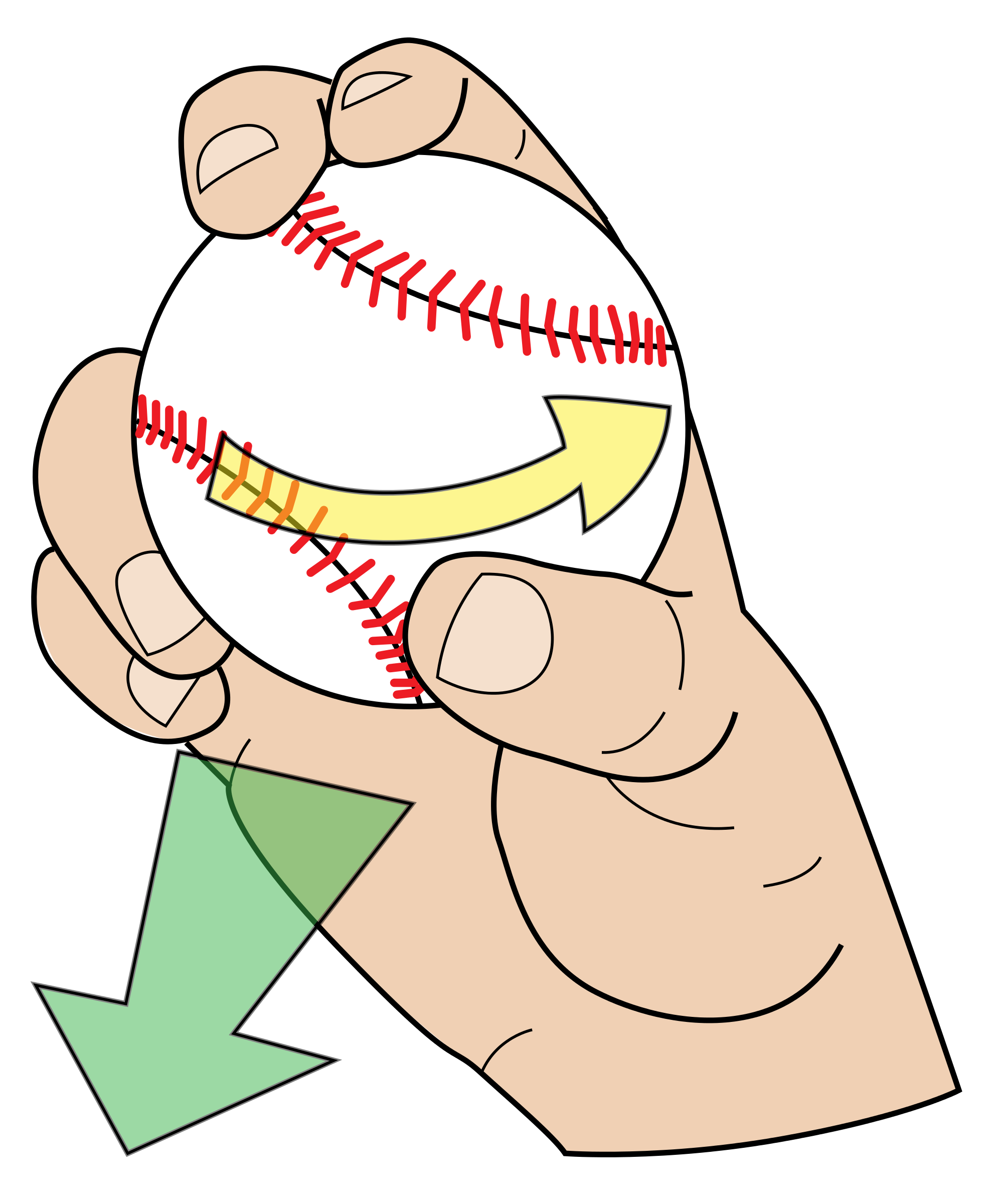
The slider’s deception is rooted in physics. Unlike a curveball, which relies on topspin to create a looping arc, the slider is thrown with a slight tilt to the side, generating a combination of sidespin and gyroscopic wobble. This unique spin axis makes the ball appear to “cut” through the air, resisting the batter’s eye just long enough to induce a swing-and-miss. The late break is the pitch’s signature move—a flick of the wrist that transforms a potential line drive into a harmless pop-up.
The Psychological Warfare: Why Hitters Fear the Slider
Baseball is as much a mental game as it is physical, and the slider preys on this vulnerability. A batter facing a pitcher with a dominant slider doesn’t just see a ball; they see a trap. Each pitch becomes a high-stakes guessing game: Is this one a slider, or is the pitcher setting me up for a fastball? The uncertainty gnaws at their confidence, turning the batter’s box into a psychological pressure cooker. A single well-placed slider can unravel a hitter’s entire approach, making them second-guess their mechanics, their pitch recognition, even their own instincts.
This mental warfare is amplified by the slider’s reputation. Pitchers like Randy Johnson, Clayton Kershaw, and Corey Kluber have built Hall of Fame careers on the back of their sliders, turning the pitch into a symbol of dominance. When a hitter steps into the box against a pitcher with a filthy slider, they’re not just facing a man on the mound—they’re facing a legacy, a weapon that has humbled some of the game’s greatest hitters. The fear of the slider isn’t irrational; it’s a calculated response to its effectiveness.
The Physics of Destruction: Why the Slider Breaks Hitters’ Timing
The slider’s late break isn’t just a trick—it’s a violation of a hitter’s most sacred principle: timing. Baseball’s best hitters spend years refining their swing mechanics to perfection, calibrating their load, stride, and follow-through to match the speed and location of an incoming pitch. The slider disrupts this precision by arriving at the plate with the velocity of a fastball but the movement of a curveball. The batter’s brain, trained to process a 95-mph fastball, is tricked into starting their swing early. By the time the pitch dives out of the zone, their bat is already in motion, leaving them lunging at thin air.
This timing disruption is compounded by the slider’s horizontal movement. While a curveball breaks downward, the slider often tails away from a right-handed batter (if thrown by a right-handed pitcher) or into a left-handed batter. This lateral movement forces hitters to adjust their swing path mid-pitch, a nearly impossible feat at the highest levels of competition. The result? A swing that’s either too early, too late, or completely off-plane, turning what should be a line drive into a harmless grounder or a swinging strike.
The Art of Pitching: What Makes a Slider Truly Elite
Not all sliders are created equal. The most devastating sliders aren’t just thrown hard; they’re thrown with precision, command, and an understanding of a hitter’s weaknesses. A pitcher with an elite slider doesn’t just locate it in the zone—they place it in the shadow of the zone, where it looks hittable but isn’t. They vary the pitch’s velocity, mixing in sliders at 85 mph with ones at 89 mph to keep the batter guessing. They use it as a setup pitch for their fastball, luring hitters into a false sense of security before striking them out with a filthy breaking ball.
The best sliders are also tailored to the hitter. A pitcher studying a batter’s weaknesses might notice that they struggle with pitches that tail away. Armed with this knowledge, the pitcher will unleash a slider on the outer edge, watching as the batter’s swing flails hopelessly at thin air. This personalized approach turns the slider from a generic pitch into a surgical tool, capable of extracting outs with surgical precision.
The Hitter’s Dilemma: How to Survive (and Even Thrive) Against the Slider
Facing a pitcher with a dominant slider is a humbling experience, but it’s not an impossible one. The key to surviving the slider lies in adaptation. Hitters who succeed against it don’t try to overpower it; they outthink it. They study the pitcher’s patterns, looking for clues in his release point or grip. They shorten their swing, focusing on making contact rather than driving the ball. They look for the slider in specific locations, knowing that even the best pitchers can’t command it perfectly every time.
Some hitters have even turned the slider into a weapon of their own. Players like Mike Trout and Mookie Betts have developed the ability to recognize and drive the slider, turning a pitch designed to get them out into one they can punish. This adaptation requires elite pitch recognition, quick hands, and the discipline to lay off pitches outside the zone. It’s a testament to the hitter’s skill that they can transform a pitch of deception into one of opportunity.
The Legacy of the Slider: A Pitch That Defines Eras
The slider has been a staple of baseball for decades, but its role in the game has evolved. In the dead-ball era, it was a pitch of novelty, a trick few pitchers dared to throw. By the 1960s and 70s, it became a weapon of dominance, wielded by pitchers like Bob Gibson and Rollie Fingers to strike out the game’s best hitters. Today, it’s a pitch of necessity, a tool every pitcher must have in their arsenal to succeed at the highest level.
Its legacy is written in the record books. The slider is responsible for some of the most iconic strikeouts in baseball history, from Sandy Koufax’s 18-strikeout game to Aroldis Chapman’s 105-mph fastball that followed a filthy slider. It’s a pitch that has defined eras, shaped careers, and left an indelible mark on the game. For hitters, the slider is both a nemesis and a teacher—a pitch that demands respect, adaptation, and humility.