Imagine stepping onto a baseball diamond where every pitch, hit, and catch isn’t just a play—it’s a data point. Where the crack of the bat echoes beyond the outfield fence and into the algorithms that shape the future of the sport. This is the world of college baseball, where the Rating Percentage Index (RPI) isn’t just a stat; it’s the invisible hand guiding teams toward the NCAA tournament. But what does RPI really mean? How does it transform raw wins and losses into a ranking system that can make or break a season? Buckle up. We’re about to peel back the layers of a metric that’s as controversial as it is consequential.
The Genesis of RPI: A Metric Born from Necessity
In the late 1970s, college baseball was a fragmented landscape. Teams played wildly different schedules, some against powerhouse opponents, others against regional foes. Rankings were subjective, swayed by reputation rather than performance. Enter the NCAA’s Rating Percentage Index, a brainchild designed to inject objectivity into the chaos. RPI wasn’t just another stat—it was a revolution. By blending a team’s winning percentage with the strength of their opponents and the strength of those opponents’ opponents, it created a numerical hierarchy that could compare apples to oranges, or in this case, a mid-major team’s 20-win season to a powerhouse’s 35-win campaign.
The formula itself is deceptively simple: RPI = (WP × 0.25) + (OWP × 0.50) + (OOWP × 0.25), where WP is a team’s winning percentage, OWP is their opponents’ winning percentage, and OOWP is their opponents’ opponents’ winning percentage. But don’t let the simplicity fool you. This trifecta of data points weaves a web of interdependence, where one team’s fate is inextricably linked to another’s. A loss to a weak opponent doesn’t just hurt your record—it drags down their RPI, which in turn affects yours. It’s a domino effect that turns every game into a high-stakes chess match.
Why RPI Matters More Than You Think
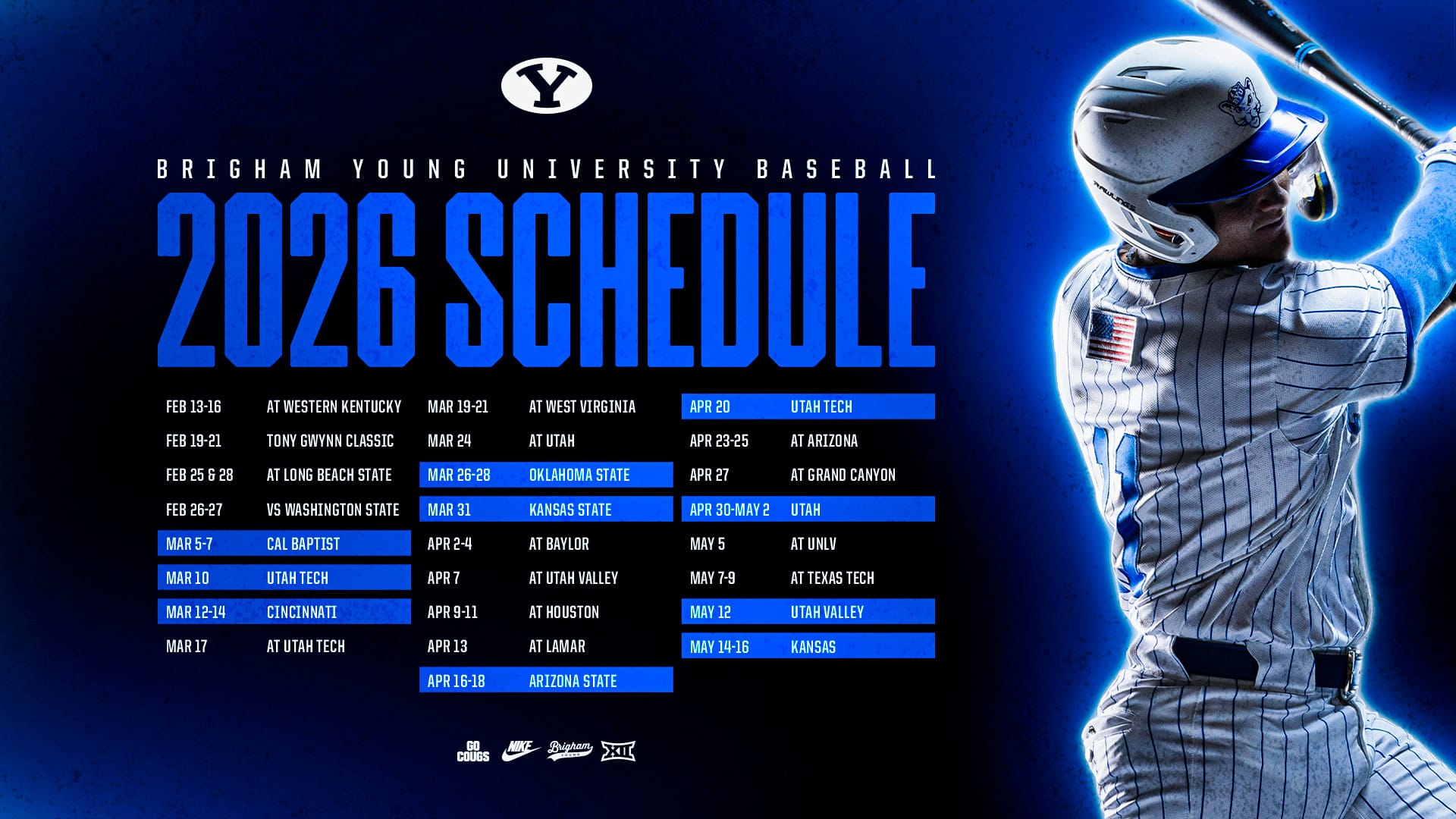
RPI isn’t just a number on a spreadsheet; it’s the gatekeeper to the NCAA tournament. For coaches, players, and fans alike, it’s the difference between a bid to Omaha and a long summer of “what ifs.” But its influence extends far beyond the bracket. Consider the scheduling arms race. Teams aren’t just playing for wins—they’re playing for RPI points. A mid-major program might gamble on a road trip to a top-10 team, knowing that a single upset could vault them into the national conversation. Meanwhile, a perennial powerhouse might prioritize cupcake opponents early in the season to pad their record before facing stiffer competition. It’s a delicate balance, where every decision is a calculated risk.
Then there’s the psychological weight. Players don’t just chase victories; they chase RPI milestones. A coach’s postgame speech might pivot from “great effort” to “we need to improve our strength of schedule.” Fans dissect opponents’ RPI like stock analysts, searching for clues about their team’s tournament chances. Even the media leans on RPI to frame narratives—“Team X’s RPI is climbing, but can they survive a brutal SEC slate?” It’s a metric that turns every game into a referendum on a team’s future.
The Flaws in the Armor: Why RPI Isn’t Perfect
For all its ingenuity, RPI is far from infallible. Critics argue it’s a relic of a bygone era, a system that rewards quantity over quality. A team that racks up wins against weak opponents might climb the rankings, while a squad that loses heartbreakers to elite teams gets penalized for their bad luck. The formula’s reliance on opponents’ opponents’ winning percentage can also create perverse incentives. A team might schedule a string of sub-.500 opponents, knowing that their poor performance will drag down the RPI of future foes—a tactic known as “RPI gaming.”
Then there’s the issue of geographic bias. In a sport where travel costs and conference alignments dictate schedules, a team’s RPI can be skewed by the strength of their region. A dominant squad in the Northeast might struggle to crack the top 25 if their conference lacks elite competition, while a mid-major team in the South could see their RPI inflated by a slate of weak out-of-conference games. The NCAA has attempted to address these flaws with tweaks like the “quadrant system”, which weights games based on opponent strength and location, but the debate rages on: Is RPI still the best tool for the job, or has it outlived its usefulness?
RPI vs. The New Guard: The Rise of Advanced Metrics
Enter the sabermetric revolution. As baseball analytics evolved, so too did the tools for evaluating teams. Metrics like WAR (Wins Above Replacement), expected weighted on-base average (xwOBA), and strength of schedule (SOS) adjustments now offer a more nuanced picture of a team’s performance. These models account for factors RPI ignores—ballpark effects, defensive efficiency, even the impact of weather on a pitcher’s performance. The NCAA has taken notice, incorporating some of these advanced metrics into their selection criteria, but RPI remains the bedrock of the system.
So why hasn’t RPI been dethroned? For one, it’s transparent. Anyone can calculate it with a spreadsheet and a few data points. Advanced metrics, while powerful, often require proprietary algorithms and proprietary data. RPI is also deeply embedded in the culture of college baseball. Coaches, athletic directors, and fans have spent decades interpreting its nuances. Changing the system isn’t just about improving accuracy—it’s about overcoming inertia. Yet the pressure is mounting. As teams and conferences demand a fairer, more predictive model, the question looms: Will RPI adapt, or will it fade into the annals of sports history?
The Human Element: How RPI Shapes Careers and Legacies
Behind every RPI ranking is a story. For a freshman pitcher, a high RPI might mean the difference between a midweek start and a weekend rotation spot. For a senior outfielder, it could determine whether they’re drafted by a scout or fade into obscurity. Coaches’ jobs hinge on navigating the RPI maze—do they prioritize development over wins early in the season, or do they chase marquee opponents at the risk of a losing record? The pressure is relentless, and the consequences are real.
Consider the case of a mid-major team that rides a hot streak to climb into the top 25. Their players become overnight heroes, their games broadcast on national TV. But what happens when their RPI stalls? Do they push for a tougher schedule, risking losses that could derail their momentum? Or do they play it safe, knowing that a few extra wins against weak opponents could secure their tournament bid? The decisions are gut-wrenching, and the stakes couldn’t be higher. RPI isn’t just a number—it’s a crucible that forges legacies.
The Future of RPI: What’s Next for College Baseball Rankings?
The winds of change are blowing. The NCAA’s Division I Baseball Committee has been experimenting with new selection models, blending RPI with advanced metrics to create a more holistic evaluation system. The “NET” (NCAA Evaluation Tool), borrowed from basketball, is one such experiment. It incorporates game results, strength of schedule, and even location-based adjustments to rank teams. But will it replace RPI entirely, or will it coexist as a supplementary tool?
There’s also the matter of conference realignment. As leagues like the SEC and Big Ten expand, the RPI landscape is shifting. A team’s strength of schedule is no longer just about opponents—it’s about the caliber of the conference they call home. The NCAA may need to adjust its formulas to account for these seismic shifts, ensuring that RPI remains relevant in an era of superconferences and nationalized schedules.
One thing is certain: The debate over RPI isn’t going away. Whether it’s refined, replaced, or retired, its legacy will endure. It forced college baseball to confront the cold, hard truth that wins and losses alone don’t tell the full story. And in doing so, it transformed the sport into a data-driven spectacle where every pitch, every swing, and every decision is part of a larger narrative.
So the next time you see a team’s RPI climb or plummet, remember: It’s not just a number. It’s the heartbeat of college baseball, a metric that turns the diamond into a laboratory and the game into a puzzle. And like all great puzzles, the solution is never as simple as it seems.