The crack of the bat, the roar of the crowd, the rhythmic crunch of sunflower seeds between eager teeth—these are the sensory hallmarks of a baseball game. Yet, amid the spectacle of home runs and stolen bases, there exists a quieter, almost meditative ritual: the act of shelling and savoring sunflower seeds. This seemingly simple tradition is far more than a snack; it is a cultural artifact, a communal experience, and a subtle rebellion against the frenetic pace of modern life. To understand why sunflower seeds have become an indelible part of baseball’s fabric, we must peel back the layers of history, psychology, and even philosophy that surround this unassuming pastime.
The Ritualistic Crunch: Why Sunflower Seeds in Baseball?
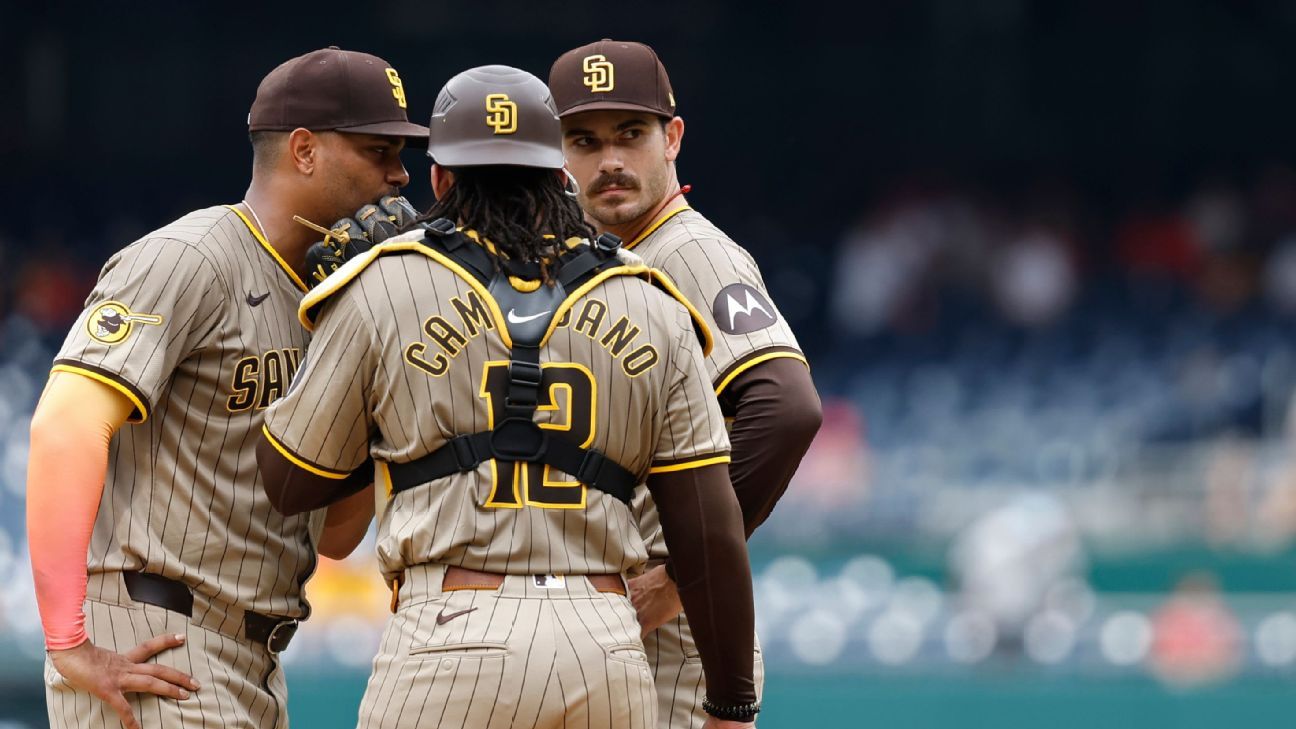
Baseball is a game of patience, of measured movements and calculated risks. The act of shelling sunflower seeds mirrors this tempo. Unlike the hurried consumption of popcorn or peanuts, sunflower seeds demand a deliberate, almost ritualistic engagement. Each seed must be cracked open with a precise bite, the hull discarded with a flick of the wrist, and the kernel savored before the next one is pursued. This process creates a rhythmic cadence that aligns with the game’s natural pauses—the between-inning stretches, the mound visits, the dugout huddles. It is a tactile counterpoint to the visual spectacle of the sport, grounding spectators in the present moment.
The seeds themselves are a marvel of nature’s design. Their striped hulls, once cracked, reveal a tender, nutty interior that bursts with flavor. The contrast between the tough exterior and the delicate kernel is a metaphor for baseball itself: beneath the gruff, competitive exterior of the game lies a core of beauty and precision. Players and fans alike partake in this ritual, their hands moving in unison, their focus sharpened by the tactile engagement. It is a silent communion, a shared language that transcends words.
The Unsung Hero of the Dugout: Sunflower Seeds as Athletic Fuel
While the crack of the bat may steal the spotlight, the sunflower seed is the unsung hero of the dugout. Baseball players, from minor leaguers to seasoned veterans, rely on these seeds for more than just sustenance. The act of chewing sunflower seeds serves as a subtle stimulant, a way to keep the mind alert during long games. The rhythmic motion of shelling and chewing can also be a stress reliever, a physical outlet for the mental pressure of competition. In an era where athletes are hyper-aware of their diets, sunflower seeds offer a natural, unprocessed alternative to energy gels or protein bars.
Moreover, the seeds are a communal snack, passed around the dugout like a sacred offering. A rookie might receive his first sunflower seed from a veteran, a silent initiation into the brotherhood of the game. The act of sharing seeds fosters camaraderie, a reminder that baseball is not just a sport but a fraternity. Even in the age of individualism, where players wear headphones and isolate themselves with technology, the sunflower seed remains a symbol of togetherness. It is a humble yet powerful reminder that greatness is often achieved in the quiet moments between the highlights.
The Psychology of the Shell: Why We Love to Crack Open Seeds
There is something primal about cracking open a sunflower seed. The act taps into a deep-seated human desire for control and mastery. In a world where so much is beyond our grasp, the simple pleasure of splitting a seed open with our teeth provides a tangible sense of accomplishment. Psychologists might argue that this ritual satisfies our need for agency, a small but satisfying victory in an otherwise unpredictable game. The repetitive motion of shelling seeds can also be meditative, a way to quiet the mind and focus on the present.
Additionally, the seeds offer a sensory experience that is both comforting and stimulating. The crunch of the hull, the burst of flavor from the kernel, the slight saltiness—these elements engage multiple senses at once, creating a multisensory experience that is rare in modern snacking. In an era dominated by processed, uniform foods, sunflower seeds stand out as a natural, unadulterated delight. Their earthy aroma and satisfying texture make them the perfect antidote to the blandness of mass-produced snacks.
There is also a nostalgic appeal to sunflower seeds. For many fans, the act of shelling seeds evokes memories of childhood trips to the ballpark, of sitting in the stands with a bag in hand, watching heroes of the game take the field. This nostalgia is a powerful emotional trigger, binding generations of fans together. The seeds become a time capsule, a link to the past that transcends the fleeting trends of the present.
From Ballpark to Backyard: The Sunflower Seed’s Cultural Legacy
The sunflower seed’s association with baseball extends far beyond the confines of the stadium. It has seeped into the cultural fabric of the sport, becoming a symbol of everything from nostalgia to resilience. In backyards across America, children mimic their heroes by mimicking the ritual of shelling seeds, their small hands fumbling with the hulls in an attempt to capture the magic of the big leagues. The seeds have also become a staple at tailgates, barbecues, and family gatherings, their presence a reminder of the simple joys that baseball brings into our lives.
Even in the digital age, where streaming services and fantasy leagues dominate the landscape, the sunflower seed remains a tangible connection to the game’s roots. It is a reminder that baseball is not just a spectacle to be consumed but an experience to be savored. The seeds are a testament to the enduring power of tradition, a quiet rebellion against the ephemeral nature of modern entertainment. In a world where everything is fleeting, the sunflower seed endures, a small but steadfast symbol of the game’s timeless allure.
The seeds have also found their way into the lexicon of baseball fandom. Phrases like “shelling seeds” or “keeping it in the shell” have entered the vernacular, their meanings extending beyond the literal act of cracking open a snack. They have become metaphors for patience, strategy, and the art of waiting for the right moment. In this way, the sunflower seed transcends its humble origins, becoming a cultural touchstone that resonates with fans on a deeper level.
The Future of the Seed: Will the Tradition Survive?
As baseball evolves, so too does the role of the sunflower seed. With the rise of health-conscious diets, some players and fans are turning to alternative snacks, opting for nuts or dried fruit instead. Yet, the tradition persists, a testament to its resilience. The seeds have adapted, with flavored varieties now available to cater to modern palates. Whether it’s spicy chili-lime or sweet barbecue, the seeds continue to evolve while retaining their core identity.
There is also a growing appreciation for the seeds’ sustainability. Unlike single-use plastics or processed snacks, sunflower seeds are biodegradable and require minimal resources to produce. In an era where environmental consciousness is paramount, the seeds offer a guilt-free indulgence. They are a reminder that tradition and sustainability can coexist, that the past and the future need not be at odds.
The sunflower seed’s future may also lie in its ability to bridge generational gaps. As younger fans seek out authentic experiences, the seeds provide a tangible link to baseball’s heritage. They are a way to connect with the game’s history, to feel a part of something larger than oneself. In a world where digital experiences often feel intangible, the sunflower seed offers a touch of the real, a small but meaningful connection to the game we love.
Ultimately, the sunflower seed’s endurance speaks to its deeper significance. It is more than a snack; it is a ritual, a tradition, and a symbol of baseball’s enduring appeal. As long as there are games to be played and fans to cheer, the sunflower seed will continue to crack open, one hull at a time, a quiet but steadfast testament to the beauty of the game.