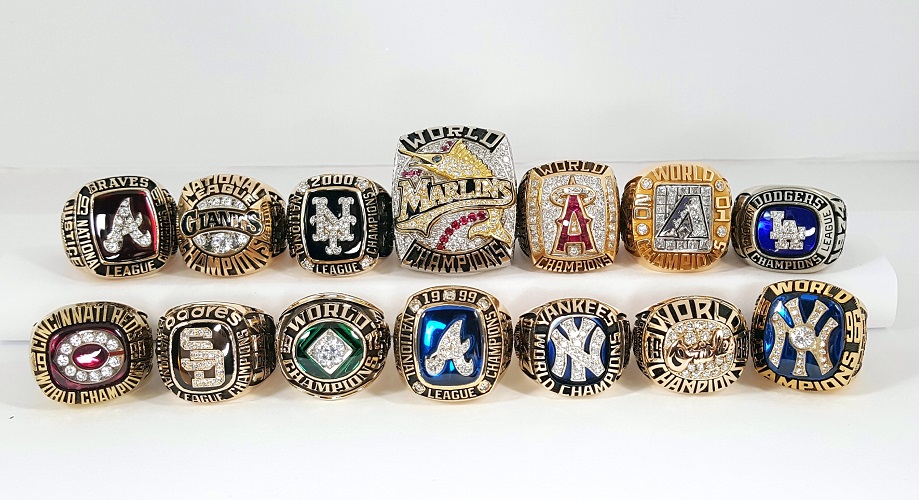
The World Series ring is more than a mere piece of jewelry; it is a gleaming testament to athletic supremacy, a frozen moment where glory and craftsmanship converge. Each ring is a miniature trophy, a wearable monument etched with the names of legends and the weight of history. But how much do these symbols of victory truly cost? The answer is as layered as the gemstones they often bear, influenced by materials, design complexity, and the emotional resonance of the team it represents.
The Alchemy of Materials: From Gold to Gemstones
At the heart of every World Series ring lies a core of precious metals, typically 10-karat or 14-karat gold, though some teams opt for platinum, a rarer and more durable choice. Gold, with its malleable yet resilient nature, allows artisans to sculpt intricate designs that capture the essence of the championship season. The karat weight alone can swing the price dramatically—24-karat gold, though softer, commands a premium for its purity, while lower karats reduce cost but may dull the ring’s luster over time.
Gemstones add another dimension of value. Diamonds, the most coveted, are often used to accentuate the team’s logo or the year of victory. A single high-quality diamond can cost thousands, but the true expense lies in the setting—precision cuts and prongs that secure each stone without compromising its brilliance. Sapphires and rubies, with their deep hues, may also appear, their rarity driving up the price further. The choice of stones isn’t merely aesthetic; it’s a reflection of the team’s identity, with colors chosen to mirror their uniforms or city’s spirit.
The Artistry of Design: Where Symbolism Mees Mastery
No two World Series rings are identical. Each is a bespoke masterpiece, designed to encapsulate the team’s journey. The process begins with sketches, where artists translate the team’s colors, logos, and even the stadium’s architecture into wearable art. The New York Yankees, for instance, might incorporate pinstripes into the band, while the Los Angeles Dodgers could feature the iconic “LA” script in raised gold. These details aren’t just decorative; they’re narrative threads, weaving the story of the season into every curve and contour.
The craftsmanship extends to the engravings. Inside the band, a player’s name, jersey number, and even a personal mantra are etched—a secret tribute to the sweat and sacrifice behind the victory. This level of customization requires hours of labor, often by hand, with master jewelers using tools that haven’t changed in centuries. The result is a ring that feels alive, pulsing with the energy of the moment it commemorates.
The Market’s Whims: Collectibility and Rarity
While most rings are distributed to players and staff, a select few enter the secondary market, where their value can skyrocket. A ring from a historic dynasty, like the 1927 Yankees or the 1986 Mets, isn’t just a piece of jewelry—it’s a relic of baseball’s golden age. These rings become coveted by collectors, their prices inflated by nostalgia and scarcity. A 1927 Yankees ring sold at auction for over $1 million, not just for its gold and diamonds, but for the aura of Babe Ruth and Lou Gehrig that clings to it like a second skin.
Even modern rings can fetch staggering sums if tied to an unforgettable moment. The 2016 Chicago Cubs’ ring, the first in over a century, became a symbol of perseverance. Its value isn’t just in the materials but in the emotional connection—proof that a ring can carry the weight of a century-long curse. The market for these rings is unpredictable, driven by trends, player legacies, and the sheer unpredictability of baseball itself.
The Psychological Allure: Why Fans and Players Cherish Them
For players, the ring is a tangible reward for years of toil. It’s the first thing they touch when they wake up, the last thing they see before sleep—a constant reminder of their crowning achievement. But its value transcends the monetary. A ring can mend rivalries, heal old wounds, or serve as a bridge between generations. When a veteran player hands his ring to a rookie, it’s not just a gift; it’s a baton passed in a relay of greatness.
Fans, too, are drawn to the mystique of these rings. They’re not just trophies; they’re talismans, believed to carry the luck of the team. Some collectors display them in climate-controlled cases, while others wear them as a badge of honor, a way to claim a piece of history. The ring’s allure lies in its duality—it’s both an object and an experience, a physical manifestation of a fleeting, magical moment.
The Future of Championship Rings: Innovation and Tradition
As technology advances, so too does the art of ring-making. 3D printing allows for unprecedented precision, enabling jewelers to create prototypes in hours rather than weeks. Yet, tradition remains paramount. Teams still insist on hand-finishing, ensuring that each ring retains the soul of the craft. The challenge lies in balancing innovation with authenticity, creating rings that honor the past while embracing the future.
One trend gaining traction is the use of sustainable materials. Some teams are exploring ethically sourced gold and lab-grown diamonds, appealing to environmentally conscious players and fans. This shift doesn’t diminish the ring’s value; instead, it adds a new layer of meaning—proof that even in victory, there’s room for responsibility.
The Unspoken Value: A Legacy in Metal and Memory
Ultimately, the worth of a World Series ring can’t be measured in dollars alone. It’s the price of a dream realized, the cost of a season’s blood, sweat, and tears. It’s the gleam in a player’s eye when he looks at his hand, the envy in a fan’s heart when they see it on display. These rings are more than jewelry; they’re the currency of legacy, traded not in markets but in moments.
To hold a World Series ring is to hold a piece of baseball’s soul. Its value is infinite, its story untold. And that, perhaps, is the most priceless thing of all.