Imagine waking up one morning, your arm feeling like it’s been through a meat grinder—aching, swollen, and just a little too warm to the touch. You’re a pitcher, your livelihood tied to the precision of your arm, and suddenly, it’s betraying you. This isn’t just soreness from last night’s outing; it’s the kind of pain that lingers, whispers of something more sinister. For baseball players, especially pitchers, the elbow is both a marvel of biomechanics and a ticking time bomb. Tommy John surgery, medically known as ulnar collateral ligament (UCL) reconstruction, has become a rite of passage for many athletes, but it’s not a decision to be made lightly—or ignored when symptoms first appear. What if that twinge you felt during your last pitch isn’t just fatigue? What if it’s the universe’s way of saying, “Hey, we need to talk”? Let’s dive into the early signs pitchers should never dismiss, because in the game of baseball, your arm isn’t just a tool—it’s your lifeline.
When a Twinge Becomes a Time Bomb: The Anatomy of an Ailing Elbow
The elbow joint is a complex hinge, a symphony of bones, ligaments, and tendons working in unison to deliver a 95-mph fastball. At its core lies the UCL, a trio of fibrous bands that stabilize the joint against the violent torque of pitching. When this ligament frays or tears, it’s not just pain you’re dealing with—it’s a structural failure. The early symptoms often masquerade as mere fatigue: a dull ache post-game, a slight stiffness in the morning, or a fleeting sharp pain when releasing a pitch. But here’s the catch—these symptoms are the elbow’s way of waving a red flag. Ignore them, and you might find yourself facing a full-blown UCL tear, a scenario that could sideline you for a year or more. Pitchers, in particular, are conditioned to push through discomfort, but the elbow doesn’t forgive. It’s a high-stakes game of chicken where the stakes are your career.
The Sneaky Saboteurs: Subtle Signs That Demand Attention
Not all early warnings are as obvious as a searing pain. Some are the silent saboteurs, creeping in like thieves in the night. Take, for instance, the phenomenon of “dead arm syndrome.” You might feel your arm just isn’t the same—no zip on your fastball, no snap on your curveball. It’s as if someone flipped a switch, draining the power from your once-reliable limb. This isn’t just a bad outing; it’s your body’s way of signaling that the UCL is under duress. Another red flag? Numbness or tingling radiating down your forearm into your fingers. This isn’t just fatigue; it’s a nerve impingement, a sign that inflammation or swelling is encroaching on the ulnar nerve. Pitchers might also notice a “popping” or “clicking” sensation in the elbow, a telltale sign of ligament instability. These aren’t just quirks of the game—they’re the elbow’s Morse code, begging for intervention before the damage escalates.
From Fatigue to Failure: The Escalation of Symptoms
What starts as a minor inconvenience can spiral into a full-blown crisis if left unchecked. The progression from early symptoms to a torn UCL is often a slippery slope. Initially, the pain might only flare up during or after pitching, but over time, it becomes a constant companion, lurking in the background even during routine activities. Swelling may appear, turning the elbow into a puffy, tender balloon. Weakness creeps in, making it difficult to grip a baseball or open a jar. The range of motion diminishes, and simple tasks like shaking hands or turning a doorknob become ordeals. Pitchers might also experience a loss of velocity, a cruel irony for those whose livelihood depends on speed. The elbow, once a well-oiled machine, now feels like a rusted hinge. This isn’t just a bad stretch of games—it’s a cry for help, a signal that the ligament is on the brink of failure.
The Pitcher’s Dilemma: To Play Through or Seek Help?
Here’s where the narrative takes a darkly comedic turn. The pitcher’s ethos is built on grit, on the idea that pain is temporary and glory is eternal. But when it comes to the elbow, playing through the pain isn’t just risky—it’s reckless. The temptation to ignore symptoms is strong, especially when the season is on the line or scouts are watching. Yet, the longer you wait, the more extensive the damage becomes. A partial tear can balloon into a complete rupture, turning a six-month recovery into a year-long ordeal. Worse still, delaying treatment increases the risk of secondary issues, like arthritis or chronic instability. The pitcher’s dilemma isn’t just about performance; it’s about the long-term health of their arm. Sometimes, the bravest move isn’t to tough it out—it’s to step back and seek help before it’s too late.
Diagnosis: The Detective Work Behind the Scenes
So, you’ve noticed the signs. Now what? The path to diagnosis is a blend of clinical acumen and cutting-edge technology. A physical examination will likely reveal tenderness along the UCL, possibly accompanied by swelling or bruising. Your doctor may perform special tests, like the “milking maneuver” or the “valgus stress test,” to assess ligament stability. Imaging comes next—an MRI is the gold standard, offering a detailed view of the ligament’s condition. Ultrasound can also be used, providing real-time insights into the joint’s mechanics. But here’s the twist: sometimes, the imaging doesn’t tell the whole story. A ligament might appear intact on an MRI, yet the patient experiences debilitating pain. This is where clinical judgment steps in, blending science with intuition to determine the best course of action. It’s not just about what the tests show; it’s about what your body is screaming.
Treatment: The Arsenal of Options Before Surgery
Not every UCL issue requires surgery. In fact, many pitchers can find relief through conservative treatments, at least in the early stages. Rest is the first and most critical step—no throwing, no lifting, no aggravating the injury. Physical therapy becomes the next line of defense, focusing on strengthening the muscles around the elbow and improving flexibility. Anti-inflammatory medications can help manage pain and swelling, while corticosteroid injections may offer temporary relief for stubborn cases. Platelet-rich plasma (PRP) therapy is another option, harnessing the body’s natural healing powers to repair damaged tissue. But here’s the catch: these treatments aren’t magic bullets. They require discipline, patience, and a willingness to step away from the mound. For pitchers, this can feel like a death sentence. Yet, it’s often the difference between a short-term setback and a career-ending injury.
The Road to Recovery: What Lies Beyond the Surgery
If conservative treatments fail, Tommy John surgery becomes the next step. Named after the first pitcher to undergo the procedure in 1974, this surgery involves replacing the damaged UCL with a tendon graft, often harvested from the forearm or hamstring. The recovery is grueling—a year or more of rehabilitation, a slow rebuild of strength and endurance. Pitchers must navigate a minefield of setbacks, from stiffness to reinjury, each step forward met with the possibility of regression. The mental toll is immense. The operating room is just the beginning; the real battle is in the rehab clinic, where every rep is a test of willpower. Yet, for those who persevere, the reward is a return to the mound, a second chance at the game they love. It’s a testament to the human body’s resilience—and the power of modern medicine.
Prevention: The Art of Arm Care in a High-Stakes Game
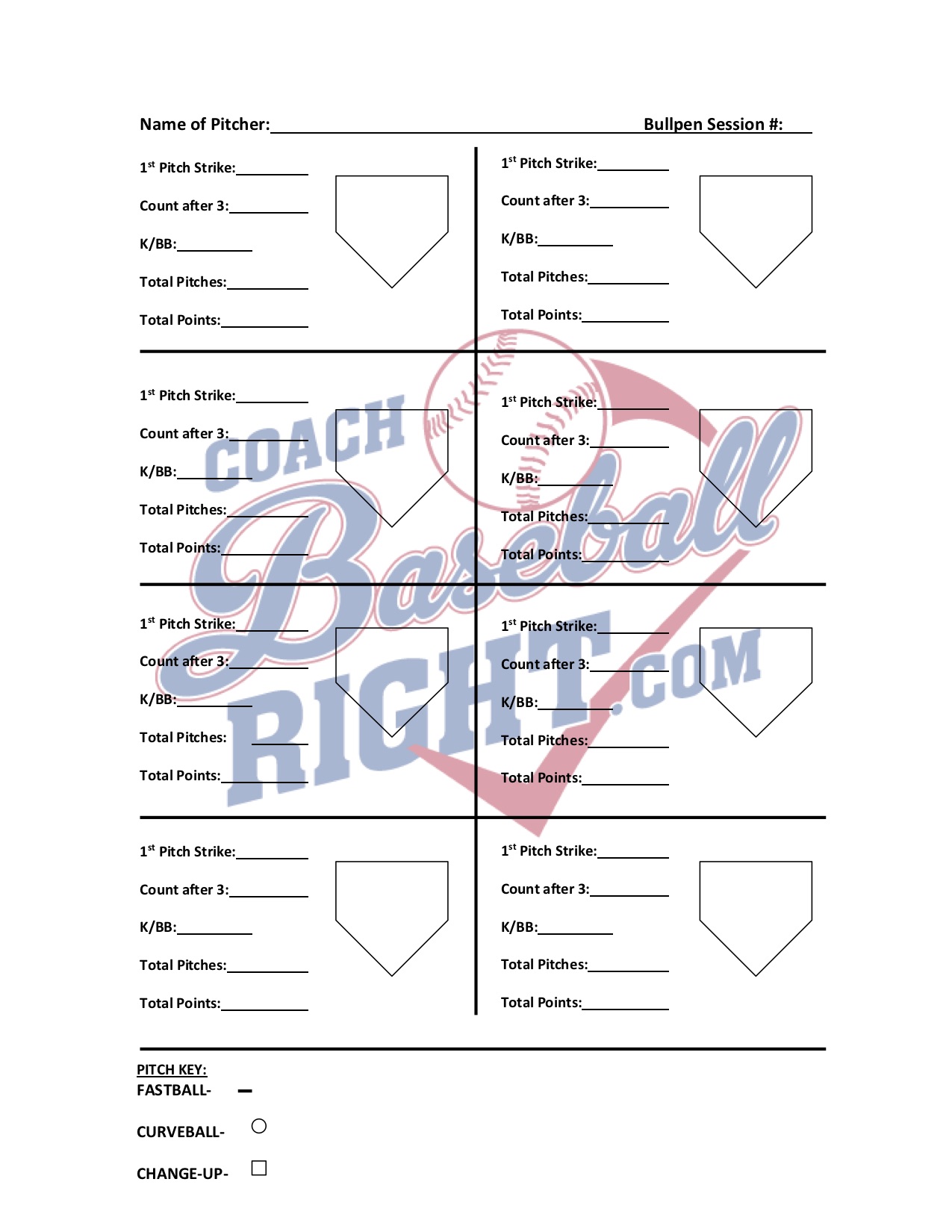
So, how do you avoid the Tommy John trap? Prevention starts with arm care, a discipline as crucial as pitching mechanics. Strengthening the rotator cuff and scapular muscles can reduce the strain on the UCL. Proper warm-up routines, including dynamic stretching and light throwing, prepare the arm for the demands of the game. Pitchers should also monitor their pitch counts religiously, avoiding the temptation to overwork their arms. Off-season training is equally vital, focusing on overall fitness and flexibility. And perhaps most importantly, pitchers must listen to their bodies. The elbow doesn’t lie. It speaks in aches and pains, in stiffness and weakness. Ignoring it is like ignoring a smoke alarm—eventually, the fire will consume everything.