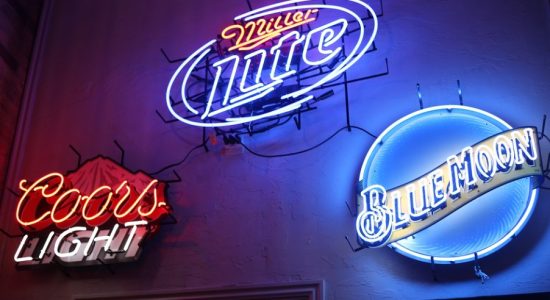
As the sun dips below the stadium lights and the seventh-inning stretch stretches into a moment of collective anticipation, one question echoes through the stands with the same fervor as a walk-off home run: “What’s in your hand?” For many baseball fans, the answer is beer. But not all beer is created equal—especially when the choice narrows to light beer versus regular beer. This isn’t just about calories or taste; it’s about identity, tradition, and the unspoken rituals that make baseball games feel like sacred gatherings. Whether you’re a die-hard fan who’s been tailgating since Opening Day or a casual spectator just trying to keep up with the crowd, understanding the difference between these two brews can transform your next stadium visit from a simple drink order into a deeper connection to the game itself.
The Caloric Conundrum: Why Fans Choose Light Beer in the Stands
Picture this: It’s the bottom of the ninth, bases loaded, and your team is clinging to a one-run lead. You’ve already had two hot dogs, a pretzel the size of a catcher’s mitt, and enough peanuts to fill a dugout. The last thing you need is a beer that turns your midsection into a lead weight by the seventh inning. Enter light beer—a beverage engineered for endurance, not excess. With roughly 90-110 calories per 12-ounce serving (compared to 140-160 in regular beer), it’s the unsung hero of the ballpark, allowing fans to sip without the post-game regret of unbuttoning their jerseys at the car door.
But calories aren’t the only draw. Light beer often boasts a crisper, more refreshing profile, thanks to its lower malt content and higher carbonation. This makes it the ideal companion for the sweltering dog days of summer, when the air itself feels like a thick, humid blanket. A cold light beer doesn’t just quench thirst—it becomes a tactical choice, a way to stay sharp through nine innings of suspense without the sluggishness that can creep in after a few full-strength brews. For the health-conscious fan or the parent trying to set a good example for the kids in the bleachers, light beer offers a guilt-free way to partake in the communal ritual of baseball without the aftertaste of compromise.
The Full-Bodied Ritual: Why Regular Beer Still Holds the Diamond
Yet, for all its practicality, light beer can’t fully replicate the soul-stirring experience of cracking open a regular brew. There’s a reason why stadiums still stock ice-cold lagers and ales in their taps, despite the growing popularity of lighter options. Regular beer—with its richer malt backbone, deeper hop bitterness, and higher alcohol content—isn’t just a drink; it’s a tradition. It’s the beer your grandfather sipped while listening to Vin Scully call a no-hitter, the beer your dad shared with you during your first game together, the beer that turns a casual fan into a lifelong devotee.
Consider the cultural weight of brands like Budweiser or Miller High Life, which have been staples of baseball culture for generations. These beers aren’t just beverages; they’re artifacts of Americana, symbols of the blue-collar ethos that baseball so often embodies. The ritual of ordering a “Bud Light” or a “Coors Banquet” at the concession stand isn’t just about quenching thirst—it’s about participating in a shared history. Regular beer carries the weight of nostalgia, of summer evenings spent in the outfield bleachers, of the crack of the bat echoing through the park. It’s the beer that turns a game into a memory, and no amount of calorie counting can diminish that.
The Flavor Divide: Taste, Texture, and the Science of Sip
Beyond calories and tradition, the choice between light and regular beer often comes down to a matter of taste—and here, the divide is as stark as the difference between a slider and a fastball. Regular beer delivers a fuller mouthfeel, with layers of caramel, toffee, or even fruity esters that dance on the palate. The carbonation is softer, the finish longer, and the aftertaste more pronounced. It’s a beer that demands attention, that rewards the drinker with complexity and depth. Light beer, on the other hand, is the sprinter to regular beer’s marathoner—quick, clean, and designed for refreshment rather than contemplation.
For the uninitiated, the flavor profile of regular beer can feel overwhelming, almost like biting into a perfectly seared steak after years of subsisting on protein bars. But for those who’ve cultivated a palate, it’s an experience worth savoring. Light beer, with its subdued malt and hop presence, is the gateway drug of the beer world—approachable, inoffensive, and easy to drink in quantity. But it’s regular beer that lingers, that becomes a topic of debate in the parking lot after the final out, that turns a casual fan into a connoisseur. The choice, ultimately, is about what you value more: the immediate gratification of a crisp, effortless sip or the lingering satisfaction of a beer that demands to be noticed.
The Social Alchemy: How Beer Choices Shape Fan Dynamics
Baseball isn’t just a sport; it’s a social experiment, a melting pot of personalities, backgrounds, and loyalties all gathered under the same sun-drenched sky. And nothing accelerates camaraderie—or sparks debate—quicker than the beer in hand. Light beer tends to be the great equalizer, a neutral choice that doesn’t ruffle feathers. It’s the beer of the group outing, the family-friendly option, the one that won’t offend the designated driver or the health-conscious attendee. Regular beer, however, is where the real conversations happen. It’s the beer that prompts debates about hops versus malt, the beer that turns strangers into friends over a shared appreciation (or disdain) for a particular style.
There’s an unspoken hierarchy in the stands, and while it’s never explicitly stated, it’s understood: the regular beer drinker is often seen as the true devotee, the one who’s willing to commit to the full experience. Light beer drinkers, meanwhile, are the pragmatists, the ones who prioritize function over form. But this dichotomy is overly simplistic. In reality, the beer you choose says as much about your relationship with the game as it does about your taste in beverages. The die-hard fan who orders a light beer isn’t betraying the sport; they’re adapting to its rhythms. The casual fan who splurges on a craft IPA isn’t just showing off; they’re engaging with the game on a deeper level. Beer, in all its forms, is the social lubricant that binds fans together—whether they’re clinking bottles in the bleachers or debating the merits of a new stadium brew in the parking lot.
The Environmental and Economic Impact: More Than Just a Pint
In an era where sustainability and ethical consumption are increasingly top of mind, the choice between light and regular beer takes on another layer of significance. Light beer, with its lower alcohol content and reduced malt usage, often has a smaller carbon footprint than its full-bodied counterpart. Many major breweries have invested in energy-efficient production methods specifically for their light beer lines, making it the more eco-conscious choice for the environmentally aware fan. Additionally, the lower alcohol content means less waste—fewer empty bottles to recycle, less water used in production, and a reduced burden on municipal waste systems.
Economically, the choice can also reflect broader trends in the beer industry. Light beer is often cheaper to produce and, consequently, more affordable for fans. This makes it a practical choice for families, students, or anyone looking to stretch their budget without sacrificing the ballpark experience. Regular beer, particularly craft varieties, can be a significant revenue driver for stadiums, with fans willing to pay a premium for unique, locally brewed options. The economic ripple effect of these choices extends beyond the concession stand, influencing everything from stadium pricing strategies to the types of partnerships breweries forge with teams. In this way, the beer you order isn’t just a personal preference—it’s a vote for the kind of baseball culture you want to support.
The Unwritten Rules: When to Break the Mold
Of course, no discussion of beer at baseball games would be complete without acknowledging the unwritten rules that govern fan behavior. There are moments when choosing light beer is not just acceptable but expected—like during a daytime game in peak summer heat, or when you’re nursing a hangover from last night’s tailgate. There are other moments, however, when breaking the mold is not just encouraged but practically mandatory. A playoff game, for instance, demands a beer with enough body to stand up to the tension. A rivalry matchup calls for a brew that matches the intensity of the crowd. And a first date at the ballpark? Well, that’s a moment when the choice of beer can speak volumes before a single word is exchanged.
The key is to know the context. Light beer is the safe bet for the long haul, the reliable companion that won’t let you down. Regular beer is the statement, the choice that says, “I’m here for the full experience.” But the beauty of baseball is that there’s room for both—and often, the best nights at the park are the ones where you sample a little of everything, letting the flavors and the atmosphere guide your decisions. After all, baseball is a game of inches, and sometimes, the difference between a light beer and a regular one comes down to the narrowest of margins.