Ever stepped up to the plate, swung with all your might, and suddenly felt like your batting helmet was conspiring against you? Not the kind of drama you signed up for, is it? A poorly fitted helmet doesn’t just feel uncomfortable—it can shatter your confidence faster than a fastball shatters a window. Yet, despite its critical role, many players treat helmet sizing like an afterthought, as if a one-size-fits-all approach could magically transform into a perfect fit. The truth? Getting the right batting helmet size isn’t just about comfort—it’s about safety, performance, and avoiding the kind of mistakes that cost games, seasons, or even careers. So, before you step into the batter’s box with a helmet that’s either too snug or too loose, let’s dive into the art and science of finding your perfect match.
The Perils of Playing Guesswork: Why a Random Helmet Size is a Recipe for Disaster
Imagine showing up to a high-stakes game with shoes two sizes too small. Every step feels like walking on broken glass. Now, replace “shoes” with “helmet,” and you’ve just glimpsed the nightmare of ill-fitting headgear. A helmet that’s too tight can cause pressure points, headaches, and even blurred vision, turning your focus from the pitcher’s next move to the throbbing pain behind your temples. On the flip side, a helmet that’s too loose might as well be a decorative hat—it won’t stay put during a swing, leaving your noggin vulnerable to stray pitches or collisions. Worse still, a poorly fitted helmet can shift mid-swing, obscuring your vision just as the ball hurtles toward you at 90 mph. The result? A split-second decision made blindfolded, with consequences that could range from a harmless foul ball to a trip to the emergency room. The lesson? Guesswork has no place in helmet sizing. Precision isn’t just preferred—it’s non-negotiable.
Decoding the Numbers: How to Measure Your Head Like a Pro
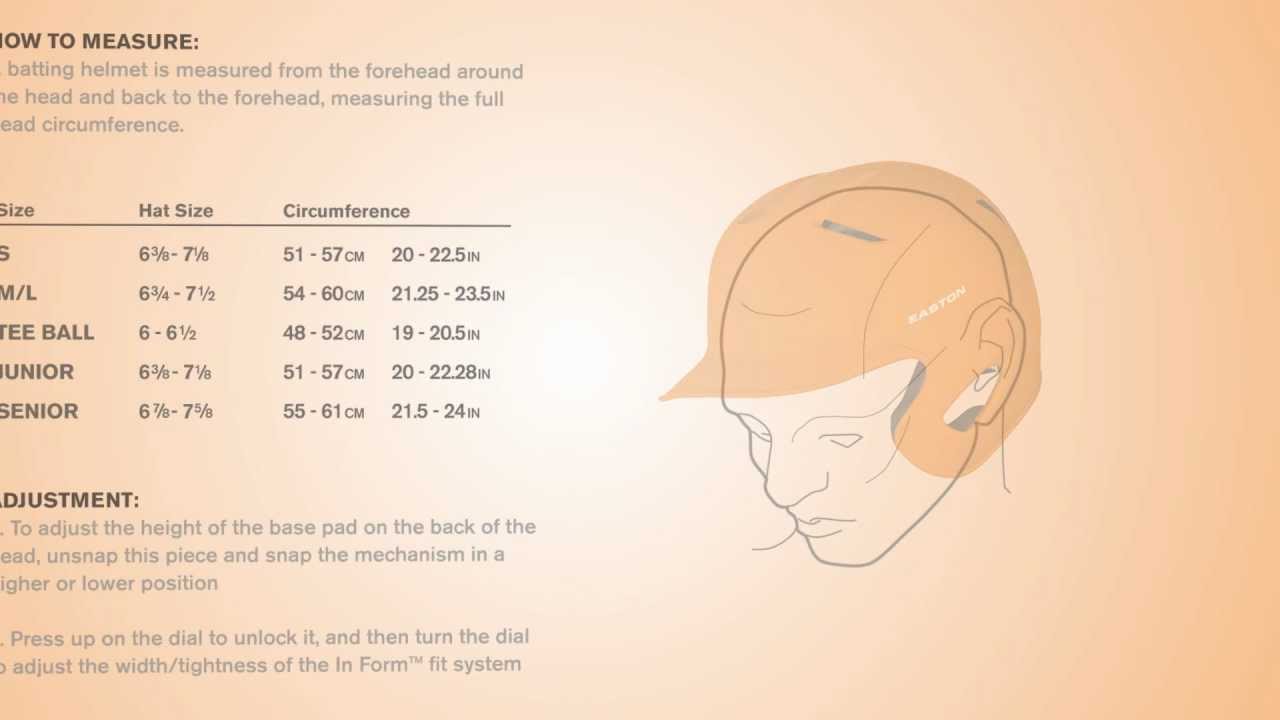
Forget the myth that helmet sizes are as arbitrary as jersey numbers. The reality is far more scientific—and far less forgiving. To find your ideal fit, you’ll need a flexible tape measure, a mirror, and the patience of a saint. Start by wrapping the tape measure around the widest part of your head, about an inch above your eyebrows and ears. The tape should sit snugly but not tight—think of it as a gentle hug, not a noose. Record the measurement in inches (or centimeters, if you’re metric-inclined). Most adult helmets range from 6 ⅞ to 8 inches, while youth sizes typically fall between 6 ⅛ and 7 ⅛ inches. But here’s the kicker: helmet sizes aren’t universal. A “medium” in one brand could be a “large” in another. Always cross-reference your measurement with the manufacturer’s size chart—because when it comes to safety, assumptions are the enemy.
The Goldilocks Zone: What Does a Perfect Fit Actually Feel Like?
A properly fitted helmet should feel like it was custom-molded for your skull. It shouldn’t wobble when you shake your head, nor should it leave indents on your forehead after a few innings. The front of the helmet should sit just above your eyebrows, shielding your temples without obstructing your vision. The chin strap, when fastened, should allow you to open your mouth wide without feeling strangled—because choking mid-swing is, well, less than ideal. Try on different models, if possible. Some helmets have adjustable padding or dial-fit systems, which can fine-tune the fit to your liking. And don’t forget to test it with your game-day gear. A helmet that feels perfect alone might feel like a vise when paired with your catcher’s mask or batting gloves. The goal? A fit so seamless you forget you’re wearing it—until, of course, you need it most.
Youth vs. Adult: Why Kids Can’t Just “Grow Into” a Helmet
Parents, listen up: a helmet that’s “almost” the right size isn’t a temporary fix—it’s a ticking time bomb. Kids’ heads grow at an alarming rate, but a helmet that’s too big today won’t magically shrink tomorrow. In fact, a loose helmet on a young player is a recipe for disaster. The chin strap can’t do its job if there’s too much slack, and the helmet itself can shift during a swing, leaving critical areas exposed. Worse, a poorly fitted helmet can give a false sense of security, lulling parents and coaches into a dangerous complacency. The solution? Measure your child’s head every few months, especially during growth spurts. And when in doubt, err on the side of caution—opt for a slightly smaller size with adjustable features, rather than a helmet they’ll outgrow in a season. After all, no amount of “growing into it” is worth risking a concussion.
Beyond the Numbers: The Hidden Factors That Sneak Up on You
Size isn’t the only variable in the helmet equation. The shape of your head plays a starring role, too. Some helmets are designed for rounder skulls, while others cater to more oval-shaped heads. If you’ve ever struggled to find a hat that doesn’t pinch your ears or leave gaps at the temples, you know the frustration. Then there’s the matter of padding. Some helmets come with removable, washable pads, allowing for a more customized fit. Others rely on fixed padding that can’t be adjusted. And let’s not forget the straps. A single-strap system might be simpler, but a dual-strap design offers superior stability, especially during aggressive swings. Even the weight of the helmet matters. A heavier helmet can cause neck strain over time, while a lighter one might not provide adequate protection. The takeaway? Don’t just chase the numbers—consider the entire package.
The Cost of Cutting Corners: When a Cheap Helmet Becomes Expensive
In the heat of the season, it’s tempting to skimp on gear—especially when budgets are tight. But a $20 helmet from a big-box store isn’t just a bargain; it’s a gamble. Cheap helmets often cut corners on materials, padding, and safety certifications. They might fit poorly out of the box, and they’re less likely to meet league or association standards. Worse, they can deteriorate faster, leaving you with a cracked shell or worn-out padding when you need protection the most. Think of it this way: a high-quality helmet isn’t an expense—it’s an investment in your safety and performance. And when you consider the potential cost of a concussion, a broken nose, or a trip to the ER, the math becomes painfully clear. Spend the extra dollars now, or pay the price later—literally.
Final Swings: How to Make Your Helmet Work for You
Finding the right helmet is only half the battle. Keeping it in top condition is where the real work begins. Always store your helmet in a cool, dry place—heat and humidity can warp the shell and degrade the padding. Clean it regularly with a mild soap and water solution, avoiding harsh chemicals that can damage the materials. And inspect it before every game. Look for cracks, loose straps, or worn padding. If your helmet has taken a serious hit, replace it immediately—even if the damage isn’t visible. Remember, a helmet’s job is to protect you, but it can only do that if it’s in peak condition. Treat it like the lifeline it is, and it will return the favor every time you step up to the plate.