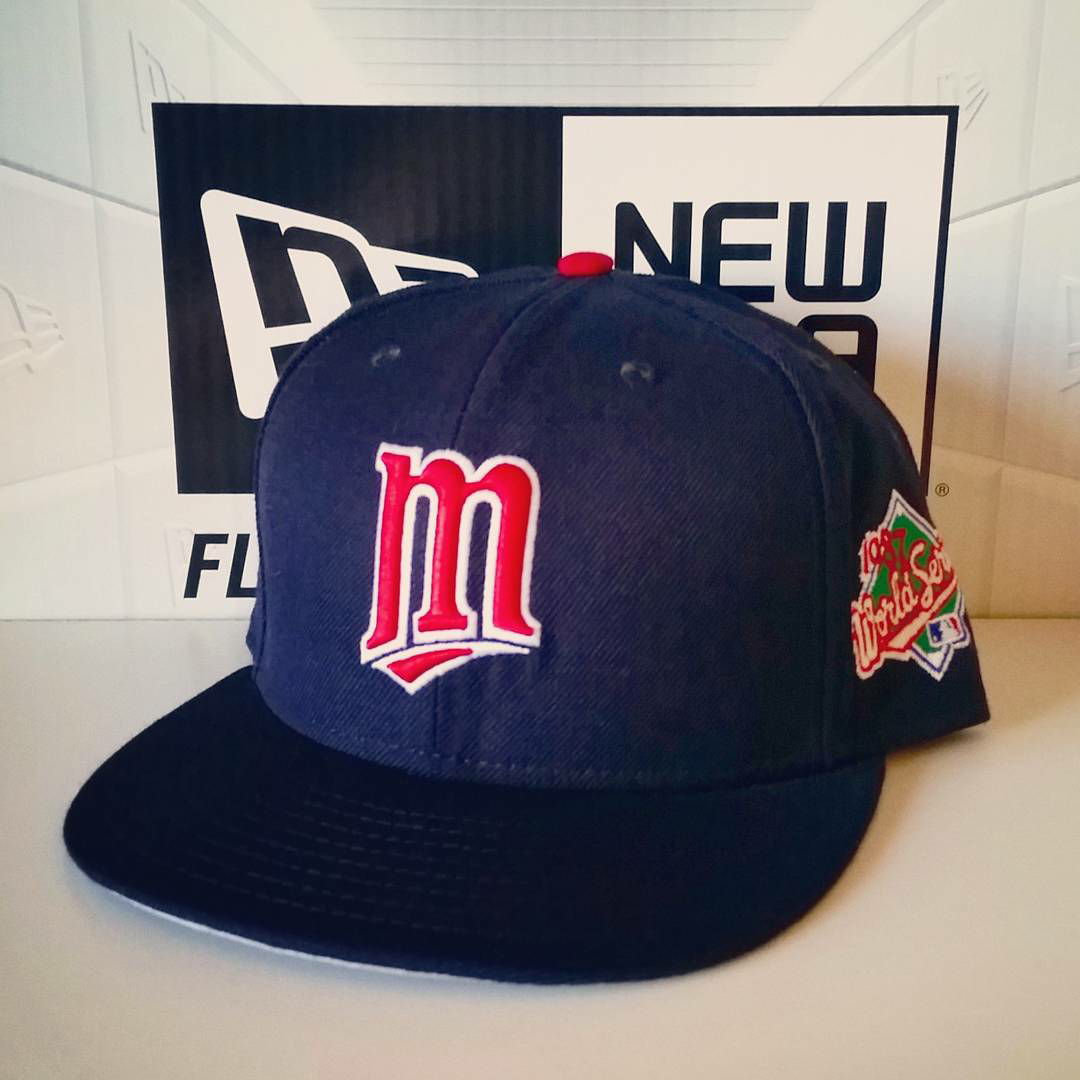
The Minnesota Twins’ 1987 World Series victory remains one of baseball’s most improbable triumphs—a David-and-Goliath narrative that defied the odds and etched itself into the annals of postseason lore. Against a backdrop of skepticism and statistical disadvantage, this unassuming team from the Twin Cities dismantled the formidable St. Louis Cardinals in a seven-game extravaganza, proving that grit, camaraderie, and a dash of serendipity could rewrite destiny. Their journey wasn’t merely a championship run; it was a seismic shift that redefined what it meant to be an underdog in America’s pastime.
The Underdog Mythos: Why the 1987 Twins Captivated a Nation
At first glance, the Twins seemed an unlikely champion. With a middling regular-season record of 85-77, they limped into the playoffs as the American League West’s fourth seed—a far cry from the powerhouse dynasties of the era. Yet, their postseason performance belied their regular-season mediocrity. The phenomenon of a “second-half surge” often fuels underdog narratives, but the Twins’ dominance extended far beyond mere momentum. Their World Series triumph was less about statistical outliers and more about a collective ethos that thrived under pressure. Fans and pundits alike were drawn to their improbable ascent, not just as a sports story, but as a cultural parable about perseverance. The 1987 Twins transcended baseball; they became a symbol of defiance against the inevitability of failure.
The Core of Chaos: A Roster Forged in Unconventional Brilliance
The Twins’ roster was a mosaic of misfits, veterans, and unexpected talents. At its heart stood Kirby Puckett, the electrifying center fielder whose boundless energy and clutch hitting personified the team’s relentless spirit. Alongside him, Kent Hrbek’s prodigious power and defensive prowess anchored the infield, while Bert Blyleven’s veteran guile on the mound provided a steadying influence. Yet, the roster’s true magic lay in its depth. Players like Dan Gladden and Gary Gaetti, often overshadowed by bigger names, delivered in critical moments, their contributions amplifying the team’s collective grit. This wasn’t a team of superstars, but a unit where each piece fit together like a well-oiled machine—each player’s role meticulously tailored to the team’s needs.
The Art of the Comeback: Postseason Resilience That Defied Logic
No narrative of the 1987 Twins would be complete without dissecting their postseason escapades. They clawed their way through the playoffs with a tenacity that bordered on the supernatural. In the ALCS against the Detroit Tigers, they overcame a 3-1 deficit, a feat that would have shattered lesser teams. The World Series against the Cardinals was a rollercoaster of emotions—each game a testament to their ability to rise from the ashes. Their resilience wasn’t just about winning; it was about thriving in chaos. The Twins’ uncanny knack for late-inning heroics, their refusal to succumb to pressure, and their ability to turn adversity into opportunity painted a picture of a team that had mastered the art of the improbable.
The Managerial Alchemy: Tom Kelly’s Unorthodox Leadership
Behind every great underdog story lies a guiding force, and for the 1987 Twins, that force was manager Tom Kelly. Kelly’s leadership style was a blend of stoicism and strategic audacity. He trusted his players implicitly, allowing them to play with a freedom that contrasted sharply with the rigid structures of other teams. His decision to platoon players like Randy Bush and Tom Brunansky, despite their occasional frustrations, demonstrated a long-term vision that prioritized balance over individual egos. Kelly’s ability to foster a culture of trust and accountability was the invisible thread that held the team together. In an era where managerial decisions were often scrutinized to the nth degree, Kelly’s unflappable demeanor became a cornerstone of the Twins’ success.
The Homefield Advantage: The Metrodome’s Sonic Embrace
The Hubert H. Humphrey Metrodome was more than just a stadium—it was a fortress, a cauldron of noise that amplified the Twins’ home-field advantage. The dome’s unique acoustics turned every home run into a thunderous event, while its cavernous interior swallowed opposing teams’ offensive efforts. The Twins thrived in this environment, their familiarity with the space giving them an edge that visiting teams struggled to match. The Metrodome wasn’t just a venue; it was a psychological weapon, a place where the Twins’ energy was magnified and their opponents were psychologically dismantled by the sheer volume of the crowd. This wasn’t mere fan support—it was an immersive experience that transformed the Twins into an unstoppable force.
The Legacy of the 1987 Twins: A Blueprint for Future Underdogs
The impact of the 1987 Twins extended far beyond their championship season. They proved that success wasn’t solely the domain of high-spending franchises or star-studded rosters. Their victory was a blueprint for future underdogs, a reminder that intangibles like chemistry, adaptability, and mental fortitude could outweigh raw talent. Teams like the 2004 Boston Red Sox and the 2016 Chicago Cubs would later draw inspiration from the Twins’ playbook, embracing the underdog mentality as a strategic advantage. The 1987 Twins didn’t just win a World Series; they redefined the parameters of what was possible in baseball, leaving an indelible mark on the sport’s collective consciousness.
The Cultural Ripple: How a Team United a Divided City
Beyond the diamond, the 1987 Twins became a unifying force in a city grappling with economic and social challenges. Minnesota was a state in transition, and the Twins’ triumph offered a fleeting moment of unity and pride. Fans from all walks of life rallied around the team, their shared joy transcending the usual divides. The championship became a cultural touchstone, a reminder that even in uncertain times, there was room for celebration. The Twins’ victory wasn’t just a sports story; it was a civic moment that brought people together, if only for a brief, shining season.
The Enduring Allure: Why the 1987 Twins Still Fascinate
Decades later, the allure of the 1987 Twins persists. Their story endures because it’s not just about baseball—it’s about the human capacity to defy expectations. In an era where analytics and money often dictate outcomes, the Twins’ triumph is a relic of a time when heart and hustle still mattered. Their legacy is a testament to the idea that greatness isn’t always predictable, that sometimes, the most memorable champions are the ones who refuse to play by the rules. The 1987 Twins didn’t just shock baseball; they reminded us all that the underdog’s journey is one worth celebrating, again and again.