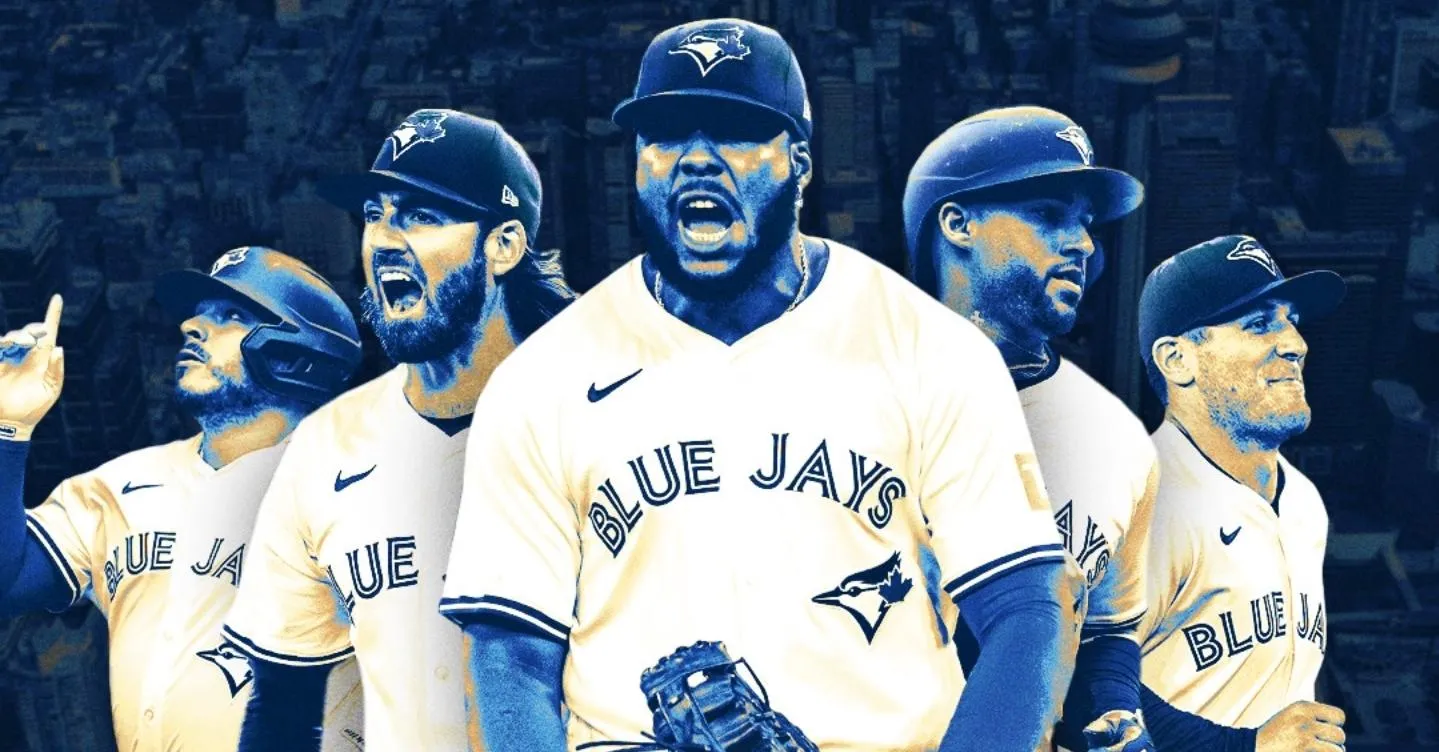
The year 2000 was a curious epoch for the Toronto Blue Jays—a season sandwiched between the euphoric highs of the late ’90s and the uncertain dawn of the new millennium. While the team finished a respectable but unremarkable 83-79, it was a roster teeming with understated talent, players who, for one reason or another, slipped through the cracks of baseball history. What if we told you that some of these forgotten names could have reshaped the franchise’s destiny? What challenge might they have posed to the dominant dynasties of the era? Let’s resurrect these unsung heroes and examine the might-have-beens of the 2000 Blue Jays.
The Reluctant Ace: Esteban Loaiza’s Unfulfilled Potential
Esteban Loaiza, the Mexican right-hander, arrived in Toronto via a midseason trade in 1999 and became the team’s most reliable starter in 2000. With a 12-9 record and a 4.29 ERA, he wasn’t an All-Star, but he was the kind of pitcher who could anchor a rotation. Yet, his tenure in Toronto was marred by inconsistency and a lack of run support. What if Loaiza had found his footing earlier? What if the Blue Jays had surrounded him with a more potent offense? His fastball-slider combination was tailor-made for the high-offense era, yet he never quite reached the heights many expected. A fully actualized Loaiza might have been the difference between a .500 team and a playoff contender.
The Speedy Enigma: Jose Cruz Jr.’s Power Surge
Jose Cruz Jr. was a lightning bolt in a bottle—raw power, blazing speed, and a defensive liability in the outfield. In 2000, he slashed .263/.330/.460 with 26 home runs and 15 stolen bases, a line that hinted at untapped potential. But Cruz Jr. was a player who thrived in bursts, his brilliance often overshadowed by streaky inconsistency. Imagine if the Blue Jays had unlocked his ability to channel that power consistently. What if he had been paired with a disciplined leadoff hitter to maximize his on-base skills? The 2000 season was a glimpse of what could have been, a tantalizing “what if” that still lingers in the minds of fans who watched him flicker like a dying star.
The Utility Man Who Could Do It All: Homer Bush’s Versatility
Homer Bush was the Swiss Army knife of the 2000 Blue Jays. A switch-hitting infielder with speed, contact skills, and the ability to play second base, third base, and the outfield, Bush was the epitome of a utility player who could change a game in an instant. He batted .292 with 30 stolen bases in limited action, proving his value as a sparkplug off the bench. But Bush’s greatest asset was his adaptability. In an era where specialized roles were becoming the norm, his versatility was a relic—a throwback to an older, more fluid style of baseball. What if the Blue Jays had entrusted him with a more prominent role? Could he have been the catalyst for a late-season surge?
The Bullpen Wildcard: Paul Quantrill’s Reliable Arm
Paul Quantrill was the human equivalent of a metronome—consistent, unflashy, and always in the strike zone. As the team’s closer, he saved 16 games with a 3.29 ERA, but his real value lay in his durability. Quantrill pitched 90 innings that season, a staggering workload for a reliever. Yet, his contributions were often overshadowed by the flashier names in the bullpen. What if the Blue Jays had used him in a more flexible role, leveraging his ability to pitch multiple innings? In an era where bullpens were becoming increasingly specialized, Quantrill’s old-school endurance might have been the key to grinding out close games.
The Defensive Anchor: Tony Batista’s Glove and Bat
Tony Batista was a third baseman who could hit for power but struggled with consistency. In 2000, he clubbed 25 home runs and flashed moments of brilliance with the glove, but his errors were a constant reminder of his defensive limitations. Yet, Batista’s offensive production was undeniable. What if the Blue Jays had moved him to first base or designated hitter to mitigate his defensive flaws? A fully unleashed Batista at the plate could have been a nightmare for opposing pitchers. His power potential was a ticking time bomb, waiting to explode in a season where every run mattered.
The Rookie Sensation: Eric Hinske’s Rookie of the Year Spark
Eric Hinske burst onto the scene in 2000, winning Rookie of the Year with a .288 average, 24 home runs, and 84 RBIs. His arrival was a shot in the arm for a franchise searching for young talent. Hinske’s aggressive approach at the plate and his ability to hit for power and average made him a cornerstone of the future. But what if the Blue Jays had surrounded him with more experienced hitters to refine his approach? A more patient Hinske might have unlocked even greater offensive potential, turning him into a perennial All-Star rather than a one-year wonder.
The Forgotten Veteran: Pat Borders’ Last Stand
Pat Borders, the 1992 World Series MVP, was a relic by 2000—a journeyman catcher nearing the end of his career. Yet, he provided invaluable leadership and stability behind the plate. His .273 average and clutch hitting were a reminder of his past glory. What if Borders had been given a more prominent role, perhaps mentoring a young catcher like Gregg Zaun? His experience could have been the glue that held the team together during a transitional season. Instead, he faded into obscurity, a footnote in a roster full of “what ifs.”
The Unfulfilled Promise: Felipe Lopez’s Brief Flirtation with Greatness
Felipe Lopez was a shortstop with a cannon arm and a bat that could change a game. In 2000, he showed flashes of brilliance, batting .277 with 10 home runs in limited at-bats. But Lopez was a player who never quite found his footing, his talent scattered across a season of inconsistency. What if the Blue Jays had given him a full-time role? Could he have developed into the franchise shortstop they desperately needed? His potential was a tantalizing mystery, a player who could have been so much more.
The Closing Thought: A Roster of Might-Have-Beens
The 2000 Toronto Blue Jays were a team of contradictions—a mix of untapped potential and unfulfilled promise. Players like Loaiza, Cruz Jr., and Hinske hinted at what could have been, their careers flickering like dying embers. What challenge might they have posed to the powerhouses of the era? What if the Blue Jays had made a single, bold move to unlock their full potential? The answers remain buried in the past, but the legacy of these forgotten players is a reminder of the road not taken—a path that could have led to greatness.