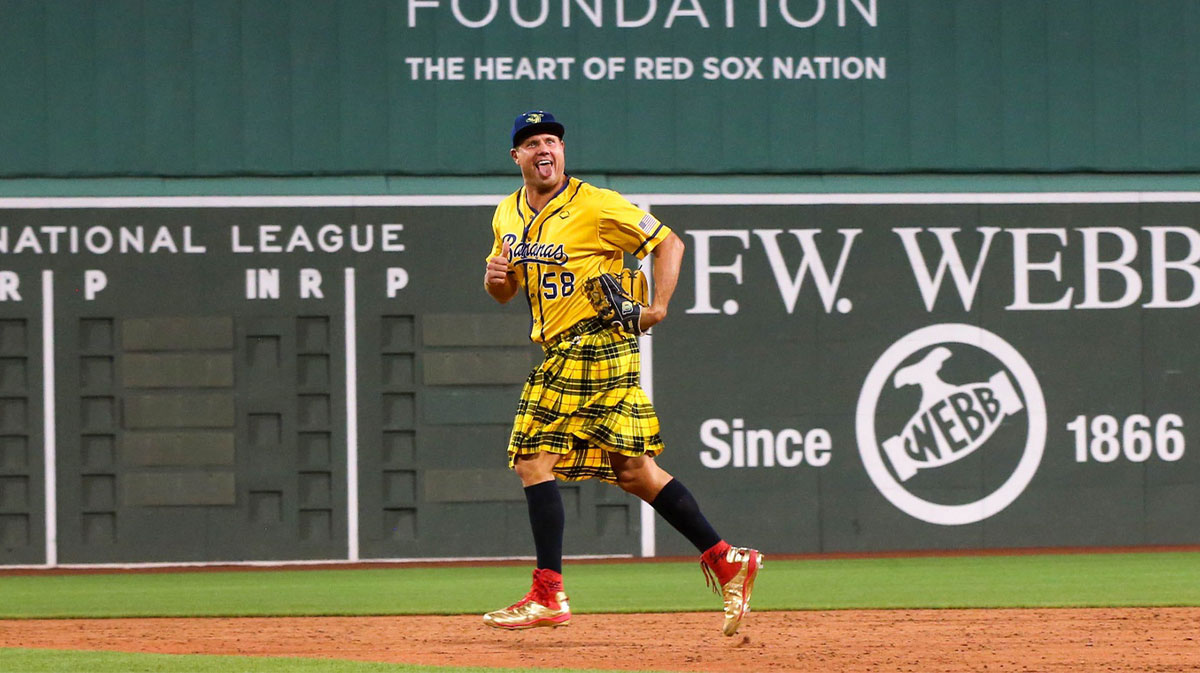
The crack of the bat, the roar of the crowd, the timeless dance between pitcher and batter—baseball has long been the sport of nostalgia, tradition, and methodical precision. Yet, in an era where entertainment demands immediacy and spectacle, the Savannah Bananas have emerged as a revolutionary force, challenging the very essence of Major League Baseball’s stodgy elegance. This isn’t just a clash of styles; it’s a collision between the sacred and the audacious, where one league clings to its hallowed rituals while the other rewrites the rules with unapologetic flair.
The Sacred Geometry of MLB: A Game of Shadows and Strategy
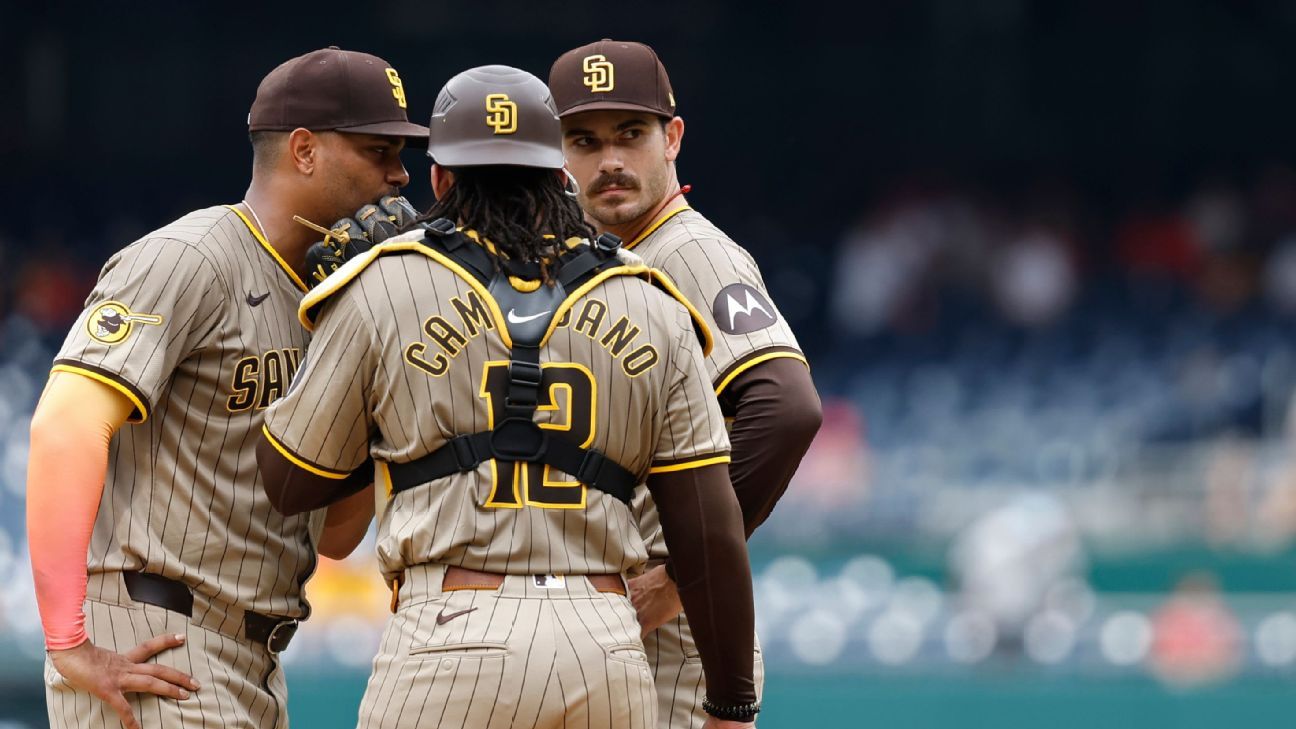
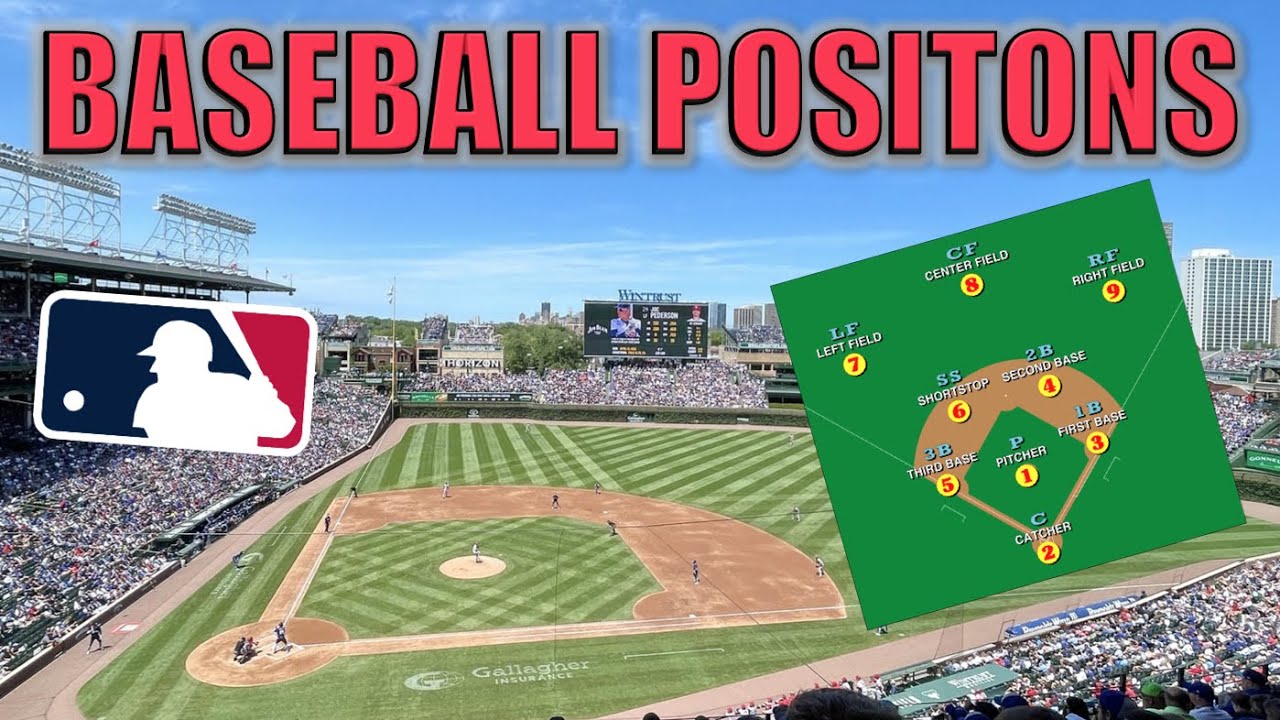
Major League Baseball is a cathedral of subtlety, where every pitch is a chess move, every stolen base a calculated gamble, and every at-bat a duel of wits between man and machine. The game unfolds in slow, deliberate strokes, like a master painter adding brushstrokes to a canvas that will only reveal its full beauty in the final inning. The diamond is a sacred space, its dimensions etched in the annals of history, where tradition dictates that the batter must stand in the batter’s box, the pitcher must toe the rubber, and the umpire’s call is absolute.
There is poetry in this rigidity. The 162-game marathon is a test of endurance, a crucible where only the most disciplined survive. The crackling radio broadcasts, the smell of popcorn and leather gloves, the way the outfield walls seem to whisper secrets to the outfielders—these are the intangibles that make MLB feel like a living museum. Yet, for all its grandeur, the game can sometimes feel like a relic, a sport that moves at the pace of a leisurely stroll through a library rather than a sprint down a racetrack.
The Bananas’ Carnival of Chaos: Where Baseball Meets Broadway
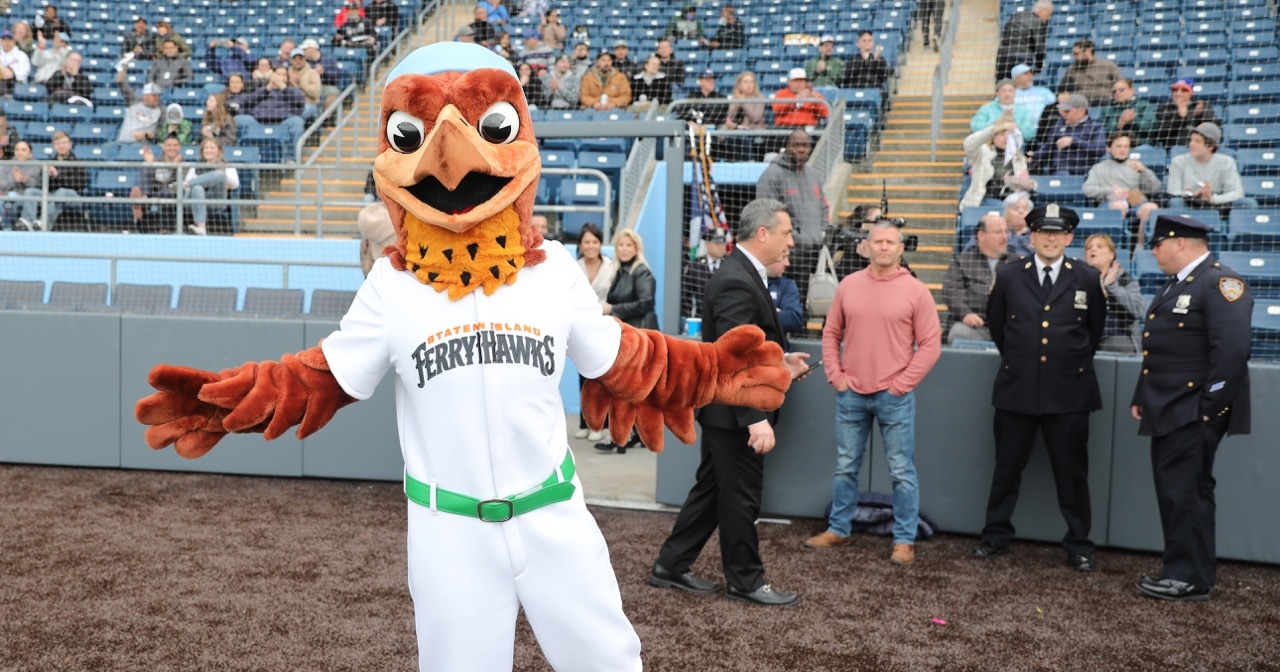
Enter the Savannah Bananas, a team that treats baseball not as a solemn ritual but as a three-ring circus where the rules are suggestions and the crowd is the star. Here, the game is less about strategy and more about spectacle. The Bananas have turned the diamond into a stage, where between-inning antics, player introductions set to heavy metal, and a mascot that moonlights as a breakdancer are as integral to the experience as the actual play. The outfield wall is adorned with advertisements that wink at the crowd, and the players—dressed in flamboyant uniforms—might just as well be Broadway actors as they ham it up for the fans.
This is baseball as a contact sport—not between bat and ball, but between the team and the audience. The Bananas have distilled the essence of entertainment into every pitch, every stolen base, every exaggerated slide into home plate. They’ve taken the sport’s most rigid traditions and turned them into punchlines, proving that baseball doesn’t have to be a museum piece to be meaningful. It can be a playground, a party, a spectacle that leaves fans grinning like they’ve just witnessed a magic trick.
The Speed of Play: A Tortoise vs. a Cheetah
MLB’s pace is deliberate, almost meditative. A game can stretch into the late innings, with pitchers taking their time between throws, batters stepping out of the box to adjust their gloves, and managers deploying elaborate defensive shifts that feel like a chess grandmaster setting up a trap. The game is a slow burn, a smoldering ember that only occasionally erupts into flame. This isn’t a flaw—it’s a feature. The ebb and flow of a baseball game is part of its charm, a rhythm that allows fans to savor each moment like a fine wine.
The Bananas, by contrast, are a blur of motion. Their games are a whirlwind of action, where every second counts. The two-hour time limit is sacred, and the players move with the urgency of sprinters, knowing that a moment’s hesitation could cost them the game. There are no drawn-out mound visits, no endless replays, no glacial pace between pitches. Instead, the Bananas compress the game into a high-octane experience, where the action is relentless and the crowd is kept on the edge of their seats. It’s baseball stripped of its stodginess, distilled into its purest, most exhilarating form.
The Fan Experience: Participation Trophy or Passive Spectator?
At an MLB game, the fan is a voyeur, a witness to history. You buy your ticket, find your seat, and settle in for the long haul. The experience is passive in the best sense—you’re there to watch the game unfold, to soak in the atmosphere, to cheer when your team does something great. The interaction between players and fans is limited to the occasional wave or autograph, a brief moment of connection in an otherwise distant relationship. This isn’t to say the experience lacks intimacy; it’s just a different kind of intimacy, one built on shared history and tradition.
The Bananas, however, demand participation. They’ve turned the fan into a co-conspirator, a participant in the spectacle. The crowd is encouraged to dance, to chant, to heckle the opposing team’s pitcher with playful taunts. The players interact with fans between innings, signing autographs, taking selfies, even joining in on the hokey between-inning games. It’s a level of engagement that MLB can’t—or won’t—replicate, a reminder that sports aren’t just about what happens on the field but about the connection between the players and the people who cheer them on.
The Future of Baseball: Tradition vs. Innovation
The Savannah Bananas aren’t just a sideshow; they’re a glimpse into the future of baseball. In a world where attention spans are shrinking and entertainment options are multiplying, the Bananas have shown that there’s an appetite for a more dynamic, interactive form of the game. They’ve proven that baseball doesn’t have to be a relic to be beloved—it can be a living, breathing entity that evolves with the times.
MLB, for its part, is watching. The league has experimented with pace-of-play initiatives, shorter games, and more fan engagement, but it’s still tethered to its traditions. The Bananas, meanwhile, are free to innovate, to push boundaries, to redefine what it means to be a baseball team. They’re not here to replace MLB; they’re here to remind us that baseball can be more than just a game. It can be an experience, a spectacle, a celebration of everything that makes sports magical.
So which style will win out in the end? The answer, perhaps, is that they don’t have to. MLB can remain the cathedral of tradition, the place where history is made and legends are born. And the Bananas can be the carnival, the place where baseball is reimagined as something wild, something unpredictable, something unforgettable. Together, they represent the dual soul of the sport—a balance between the sacred and the audacious, the timeless and the cutting-edge.