Remember thinking you spotted a perfect low fastball? You swung confidently, perhaps popped it up in disgust, and maybe even muttered about a “bad call” or felt certain the umpire had missed the obvious. It’s a scenario familiar to every baseball fan, every ballpark novice, even seasoned professionals. But what if, more often than you think, the judgment call wasn’t technically incorrect? Welcome to the often murky, sometimes amusingly subjective world of the lower boundary of the strike zone.
The Intriguing Question: Low Pitches and Intertwined Reality
Does the lowest pitch in the strike zone definitively stop at a specific waistband level, an imaginary line across the mid-thigh dictated by cosmic alignment? Most casual observers don’t think so. But a persistent, playful question lingers – is there a universal, consistently applied ‘stripe’ defining the bottom, or does it dissolve into pure interpretation? This piece embarks on an exploration. Let’s delve into the core misconception that plagues many an enthusiastic fan: the assumption that there exists a rigid, universally recognized lower boundary absolutely every single pitch, regardless of circumstances.
This notion, while intuitive, presents a genuine challenge to long-term accuracy in understanding the game or evaluating its judgment. If the idea of a steadfast ‘bottom line’ helps casual fans grasp the umpire’s authority, it might seem harmless, bordering on friendly advice. Yet, the rules and the practical application of the strike zone, especially at its lower limit, suggest a far more fluid, circumstances-dependent reality. Let us dissect why this common belief might be, in baseball terms, less than a grand slam swing at the heart of the issue.
The Pivotal Point: Pitcher’s Plate and the Front of the Batter’s Eyes
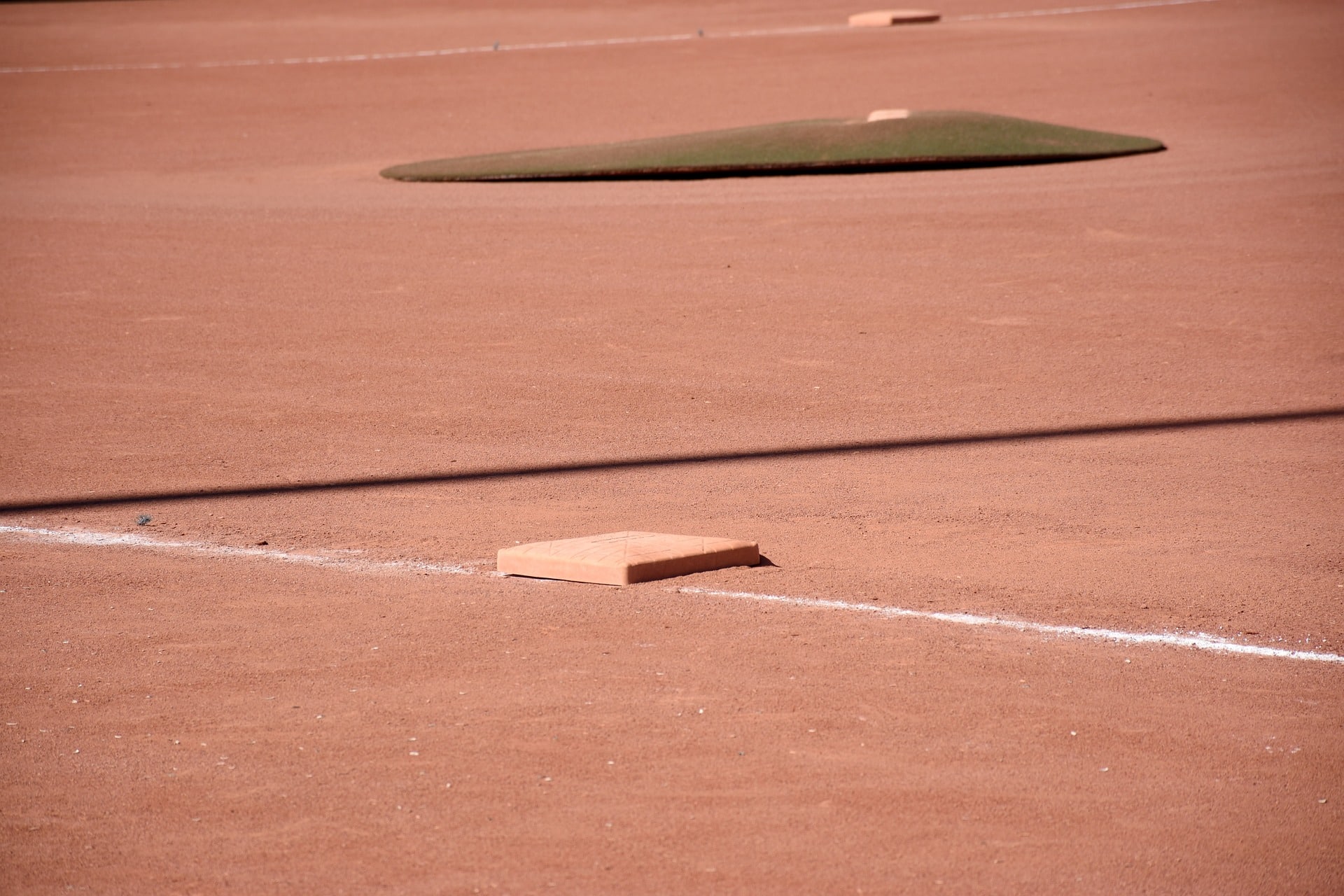
The heart of any zone explanation begins at the pitcher’s plate, conventionally called the “batter’s box,” “home plate,” or “pitcher’s plate.” The official definition hinges on a crucial anchor point: **the highest point on the batter’s shoulders when the batter is in a natural, balanced batting stance**. This isn’t a static measurement. If a batter stands hunched, his perceived zone shrinks visually; if confident, it expands. Umpires are educated to observe this stance, but even with consistent posture, the shoulder height can seem ever so slightly different under different light conditions or angles. This establishes the *general* vertical dimension – the imaginary box around a roughly upright batter.
Critical and often unseen by the casual observer is the horizontal movement of the ball. Where *in relation* to the batter’s body must the pitch be located to be called a strike? As the ball travels from pitcher to plate, it must pass through the front of the batter’s eyes. This is not a point, but a field of vision facing forward. A pitch at shoulder height, passing *too far* in front of the feet might actually be outside, regardless of the batter’s defined upper limit. Conversely, a low pitch *properly over the plate*, well within the defined “box,” but missing this central corridor, might easily be ruled a ball. It’s like judging where a frisbee passes through a hoop from fifty paces away – you focus on the apex (vertical) but the horizontal path is equally vital; is the ball *over* the plate?
Why Rigidity is Elusive: The Dynamic Nature of Legitimate Pitching
Imagine an umpire’s box, defined purely vertically from armpit to crotch. Now throw in real pitchers, real movement on pitches – the sinker dives, the curve drops, the splitter skitters just off the plate. The defining rule offers flexibility, largely absent from simpler analogies. Furthermore, batters don’t stand completely still. A slight adjustment, a shift, the “away” stance against left-handed pitching – these minute changes subtly adjust the “shoulder line” and the “front of the eyes” as the pitch arrives. An umpire relies on judgment, honed by years of experience, observing not just the static shoulders but the live posture.
A high fastball, even near the plate, requires less precise placement; a pitch *over* the box will likely be called a strike. A lower pitch, however, demands perfect horizontal location to be called a strike, whether or not it actually dips below an imaginary taut waistband. If the low pitch isn’t over the plate horizontally centered, the rule often dictates it’s a ball. That’s why the lower zones of the strike zone are inherently riskier zones for batters; it’s harder to drive pitches well below the belt-high box than those passing through the middle of the plate.
The Hand Factor: An Unseen Variable
The batter’s hands, gripping the bat, play a surprisingly significant, yet often overlooked, role, particularly concerning the lower boundary. The rule is defined primarily by the batter’s upper torso, not the hands. However, the height and position of the hands can influence the perception of the ball’s location *in relation* to the plate. A batter with shorter hands might perceive the same waist-high pitch different than one with longer arms. An umpire doesn’t measure hand length; they rely on the batter’s established stance. Yet, the point where the pitcher throws the ball, specifically the “carriable zone” just before crossing the plate, is technically “in the zone” even if it appears below the armpits relative to the *pitcher’s* shoulders at release, provided the batter is established in a ready position. It’s a subtle interplay that elevates the entire zone definition beyond a simple vertical box.
Redefining the Challenge: Moving Beyond the Static Analogy
Thinking of the lower strike zone as a static, rigid line below the armpits is a conceptual shortcut. It explains surface-level “missed calls” but doesn’t capture the dynamic reality influenced by batter stance, pitch trajectory, catcher framing, and umpire interpretation. It suggests a level of precision that doesn’t exist for low pitches unless they are perfectly located horizontally. Understanding the true nature requires accepting the greater variability, the umpire’s educated judgment based on the entire presentation, and the specific demands of different pitch locations. It demands a more nuanced, less parochial, understanding of what truly constitutes a valid strike below the belt of the “universal rule.”