The crack of the bat, the roar of the crowd – a baseball game is a quintessential American experience. However, amidst the excitement and camaraderie, a silent, often overlooked, detail lurks: the caloric density of ballpark fare. While the pursuit of victory is paramount, the accumulation of excess energy from indulging in quintessential stadium snacks requires astute awareness. This article will delve into the nutritional nuances of common baseball stadium offerings, equipping you with the knowledge to navigate the culinary landscape and savor the games without compromising your wellness goals.
The Baseline: Understanding Serving Sizes and Hidden Fats
Before venturing into specific food items, it’s crucial to understand the concept of serving sizes in a stadium environment. What might appear to be a reasonable portion can often contain multiple servings. Vendors frequently offer “supersized” or “family-style” options, which exponentially increase caloric intake. Furthermore, the ubiquitous use of deep frying and generous amounts of butter, cheese, and sugary sauces contribute significantly to the overall fat content. Even seemingly benign options like popcorn boast surprisingly high levels of saturated fat depending on the preparation method. Careful scrutiny of ingredient lists—where available—and mindful portion control are essential preventative measures.
The Classic Conundrum: Pretzels, Popcorn, and Peanuts
Let’s begin with the traditional trio: pretzels, popcorn, and peanuts. A large soft pretzel, slathered in sodium-laden seasoning salt, is a mainstay for many fans. While a single pretzel might seem innocuous, it can easily pack upwards of 350-400 calories, primarily from refined carbohydrates. Air-popped popcorn, on the other hand, presents a healthier alternative if consumed without excessive butter or caramel. However, the pre-buttered varieties common at ballparks often contain a significant quantity of calories and unhealthy fats. Peanuts, either roasted or boiled, offer a source of protein and healthy fats. However, be wary of candied or chocolate-covered varieties, dramatically increasing sugar and calorie levels. Opting for a plain, unsalted portion is always the prudent choice to mitigate unwanted consequences.
Hot Dogs and Hamburgers: Navigating the Processed Meats
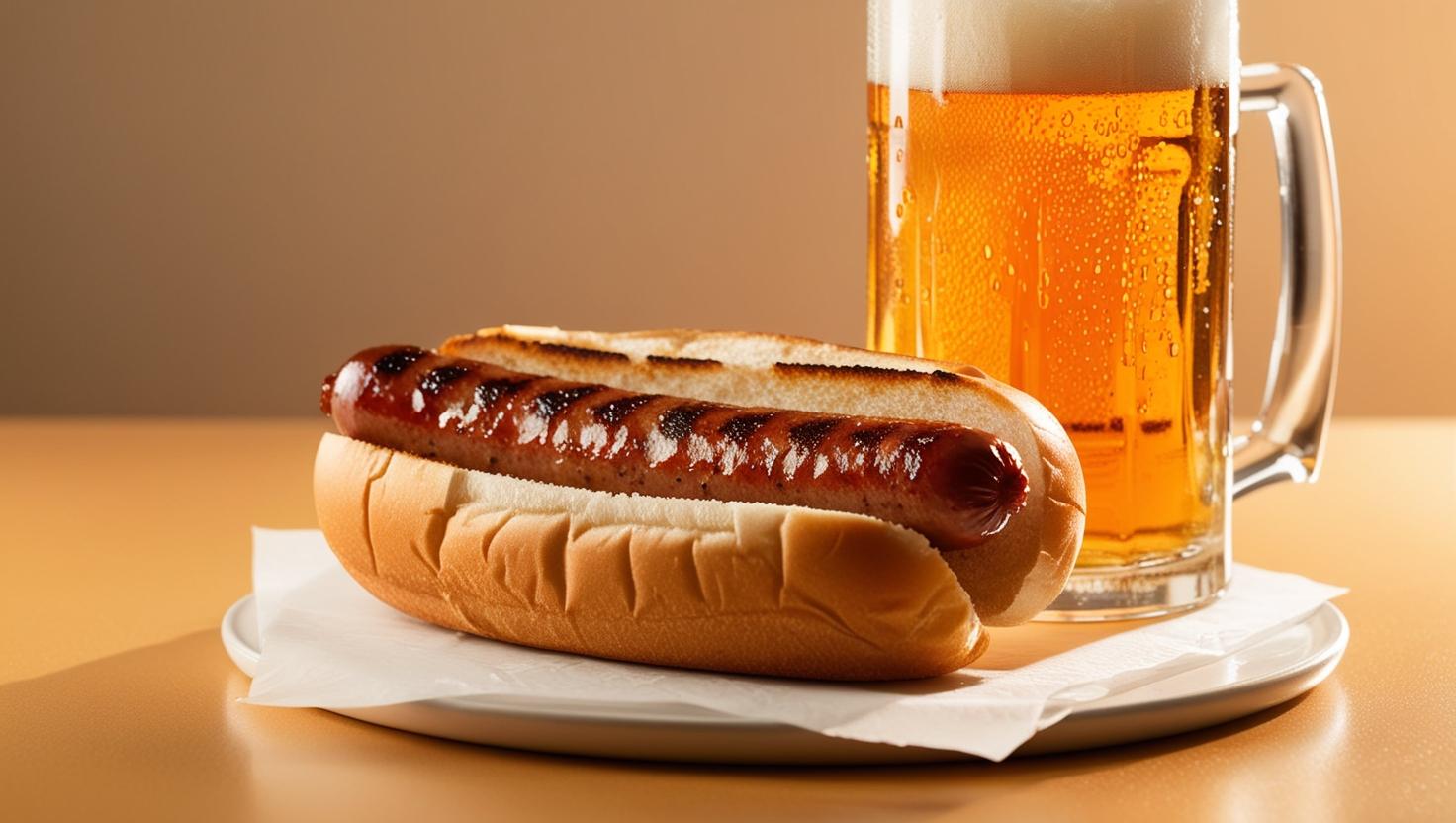
Hot dogs and hamburgers are ubiquitous choices, and understanding their potential pitfalls is vital. Most ballpark hot dogs are manufactured, possessing substantial sodium and fat content. The bun, often enriched white bread, contributes additional refined carbohydrates. Similarly, stadium hamburgers, frequently ground from less desirable cuts of meat, can be high in fat and cholesterol. The plethora of toppings—cheese, bacon, relish—further amplifies the caloric load. Substituting a leaner meat patty, opting for a whole-wheat bun, and requesting toppings on the side—allowing for selective application—can substantially curb the nutritional impact. Furthermore, consider a single slider instead of a full-sized burger.
Beyond the Basics: Fries, Pizza, and Ice Cream
The offerings extend well beyond the classics, encompassing items like french fries, pizza slices, and ice cream. French fries, typically deep-fried, are a considerable source of calories, saturated fat, and sodium. Pizza slices, depending on the toppings and crust thickness, can also be calorically dense. A single slice might easily exceed 300 calories. Ice cream, while undeniably delectable, presents a sugary indulgence. Portion size is paramount here. Instead of a large sundae, consider a smaller cup of sorbet or a single scoop. Look for frozen yogurt or gelato as potentially healthier alternatives.
The Rising Star: Turkey Legs and Other Novelties
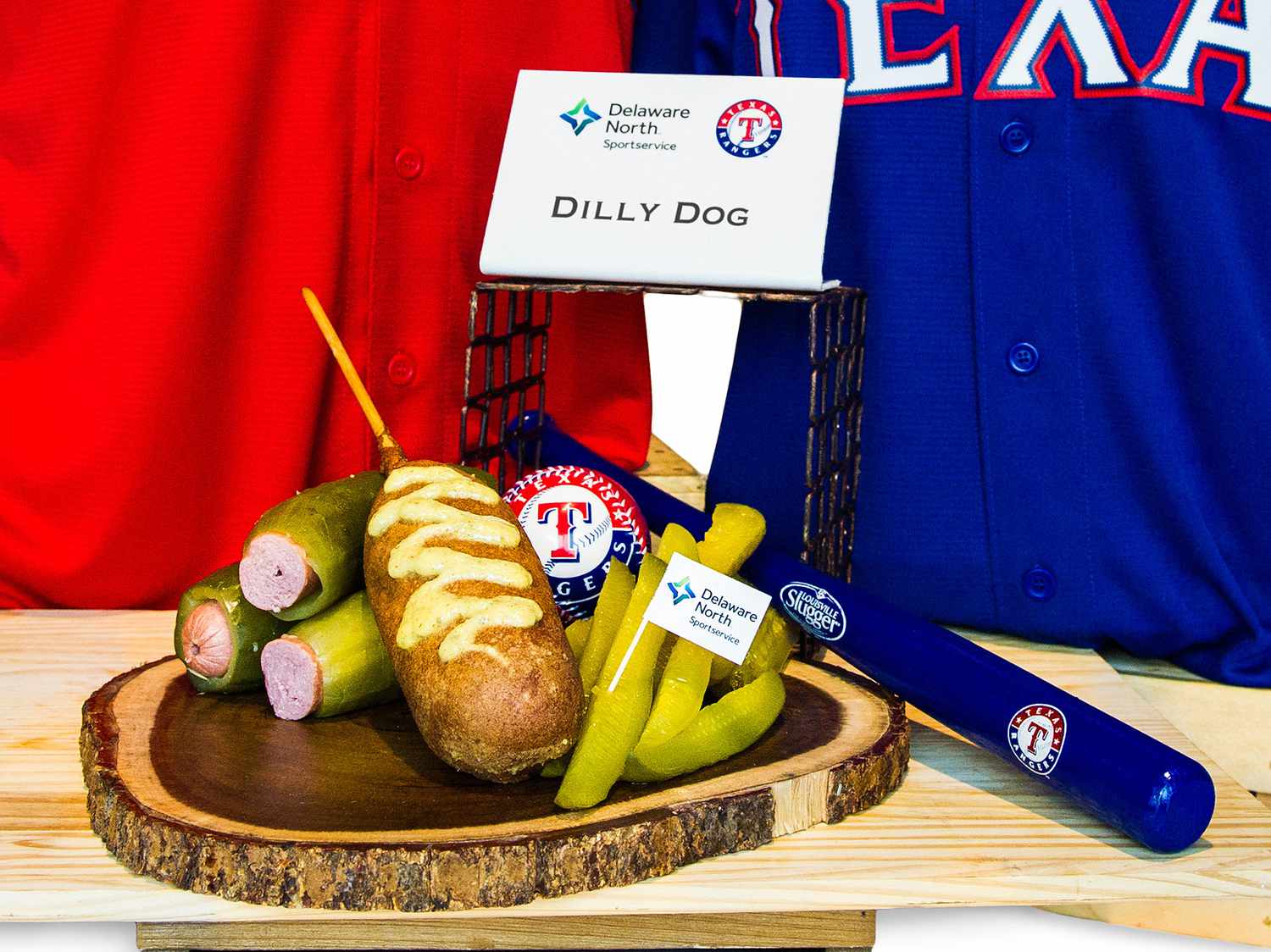
In recent years, turkey legs have emerged as a popular ballpark indulgence. While arguably a “healthier” protein source than processed meats like hot dogs, the preparation method is pivotal. Often smoked or roasted with copious amounts of salt and sometimes sugary glazes, these behemoth portions possess substantial calories and sodium. Even the protein-rich sustenance has its caveats. Newer stadium innovations frequently introduce artisanal sausages, gourmet mac and cheese, or elaborate funnel cakes. These novelties often transcend the boundaries of reasonable caloric intake; meticulous attention to ingredient compositions and portion quantities becomes even more important when faced with unique concoctions.
Beverage Considerations: Sugary Sodas and Alcoholic Beverages
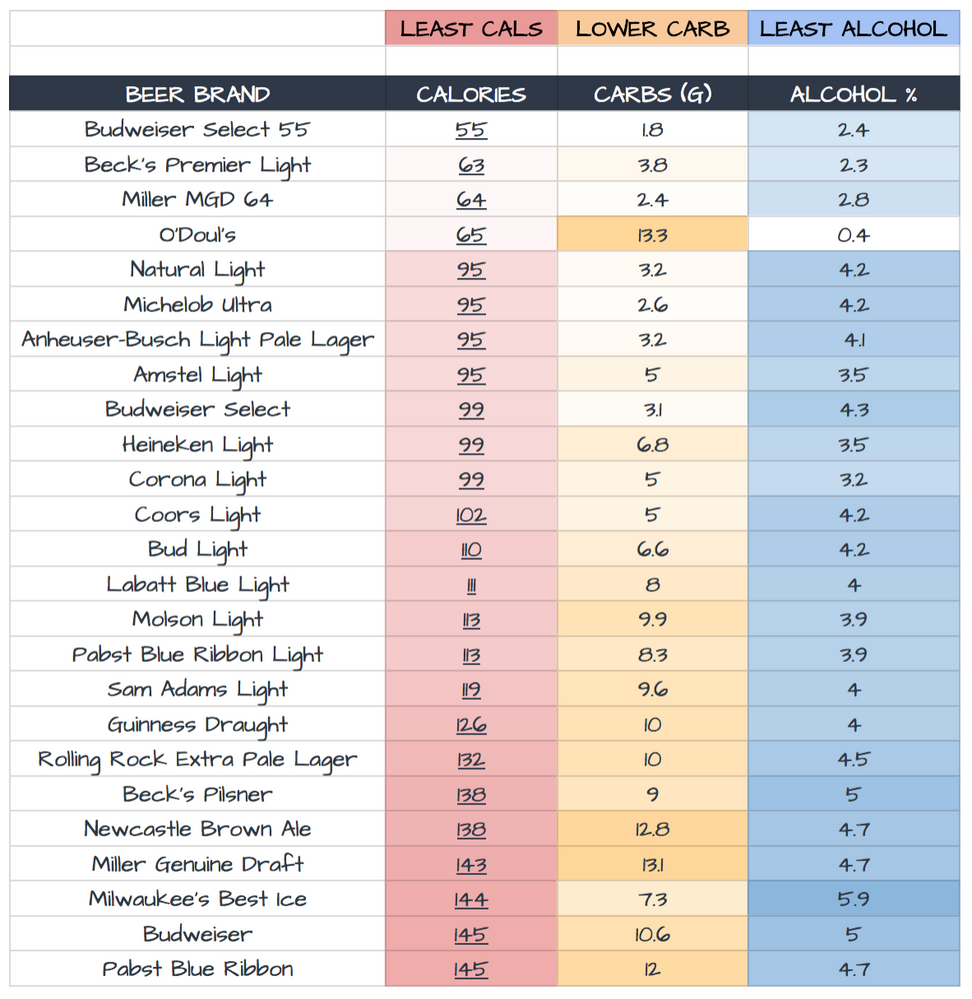
Let’s not neglect the accompanying beverages. Sugary sodas, juice drinks, and sports drinks contribute a significant amount of “empty calories” – those with minimal nutritional value. Likewise, alcoholic beverages, such as beer and mixed drinks, add further calories and can impair judgment related to food choices. Opting for water, unsweetened iced tea, or diet soda dramatically reduces caloric intake. If you choose to consume alcohol, moderation is key; limiting consumption to one or two drinks helps to curtail the associated calorie load and potential adverse effects.
Strategic Navigation: Making Informed Choices
Attending a baseball game doesn’t necessitate sacrificing your dietary goals. Strategic decision-making can allow you to enjoy the experience without derailing your progress. Prioritize protein and fiber-rich options when available. Request condiments on the side, sharing portions whenever possible may also help. Hydration is also important, consume water before, during, and after the game. This approach fosters a balance between enjoyment and wellness. Ultimately, mindful eating, even amidst the alluring distractions of a baseball stadium, empowers aficionados to savor the game without compromising their long-term health objectives. Enjoy the contest!