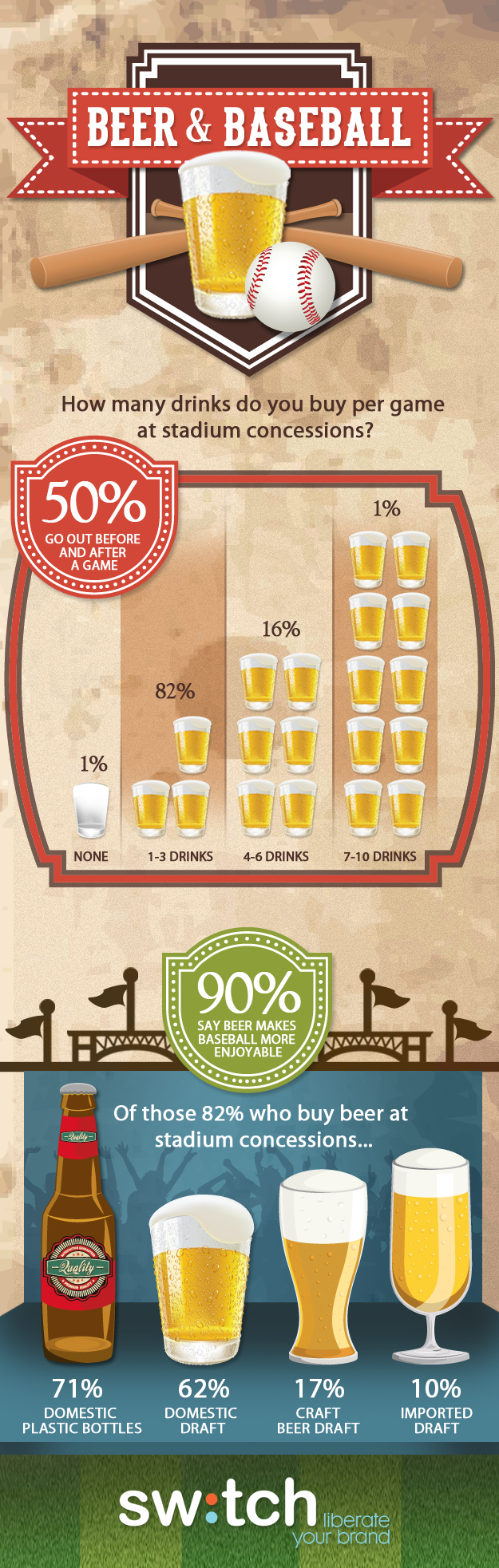
The crack of the bat, the roar of the crowd, the anticipation hanging thick in the air – Game Day is synonymous with celebration, and for many, that celebration involves a cold beverage. But how often do we truly pause to consider the caloric implications of that frosty pint? It’s a question that often drifts by amidst the fervor, but understanding the realities of your game-day beer consumption can empower healthier enjoyment without sacrificing the festive spirit. This exploration promises to shift your perspective; to reveal a surprisingly granular breakdown of calories hidden amongst your favorite ballpark brews.
The Caloric Landscape of Beer: Beyond Just Alcohol
Dismissing beer calories as purely attributable to alcohol is an oversimplification. While ethanol certainly contributes, the carbohydrates present – derived from the malted grains used in brewing – are a significant players. These carbs are readily converted to sugars during the fermentation process, elevating the overall caloric density. Furthermore, the style of beer dictates its density; lighter, crisp lagers generally present a lower caloric load than robust, malty stouts or rich ales. This isn’t merely a matter of taste preference; it’s a difference in nutritional impact. The complexity is compounded by varying brewing methodologies and ingredient choices that subtly, yet meaningfully, alter the final product.
Lager Love: Light, Refreshing, and Relatively Lean
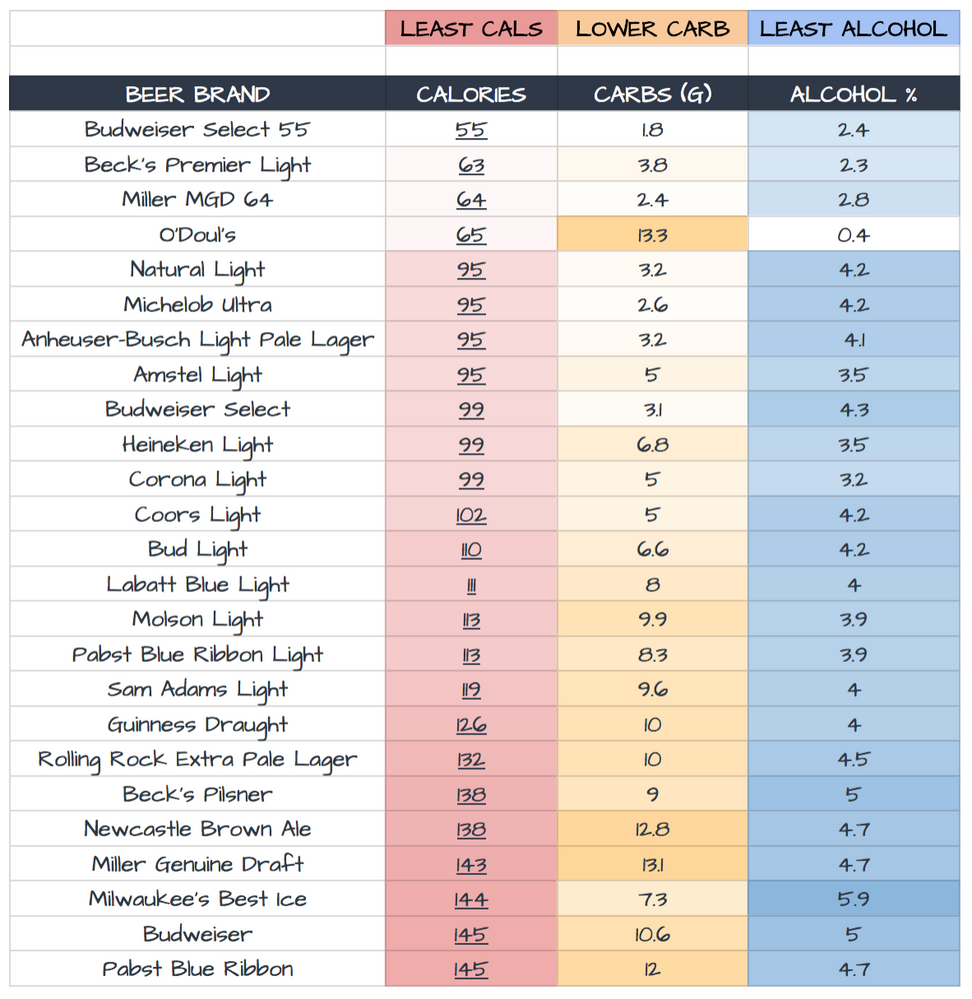
Let’s begin with the ubiquitous lagers – the backbone of many a ballpark refreshment strategy. These beers, often characterized by their clean, crisp taste and relatively light body, generally pack a lighter caloric punch. A standard 12-ounce serving of a typical American lager usually hovers between 100 and 150 calories. Think Bud Light, Coors Light, or Miller Lite – popular choices precisely because of their lower caloric profiles. However, even within this broad category, nuance exists. Import lagers, frequently boasting a more complex flavor profile, might subtly increase the calorie count due to differences in grain composition and brewing techniques. The quest for minimizing calories, then, requires careful consideration, not absolute adherence to brand names alone.
Pale Ales & IPAs: A Bitterly Caloric Truth?
Moving into the realm of Pale Ales and India Pale Ales (IPAs), the caloric landscape begins to shift. While the hop-forward bitterness is a defining characteristic, the use of more malted barley during the brewing process results in a higher carbohydrate content, and subsequently, more calories. Expect a 12-ounce IPA to typically range between 170 and 220 calories. This isn’t inherently “bad,” but it warrants awareness, particularly for those mindful of caloric intake. Sub-styles within the IPA world, such as New England IPAs (NEIPAs) known for their hazy appearance and juicy flavor, often utilize adjunct grains that further contribute to the caloric load. A mindful consumer truly appreciates this distinction.
Wheat Beers: Cloudy with Potential Caloric Surprise
Wheat beers, with their often-cloudy appearance and distinctive fruity or spicy notes, present a particularly interesting case. The inclusion of a significant proportion of wheat malt contributes to a richer, more textured mouthfeel and unique flavor profile, but also can indirectly contribute to a higher caloric density. A standard 12-ounce wheat beer like a Blue Moon or Hoegaarden, could land anywhere between 160 and 210 calories depending on the exact recipe and brewing process. The perception of lightness can be deceiving – don’t be fooled by the pleasing aesthetics; always investigate the nutritional profile.
Stouts & Porters: The Heavy Hitters of the Beer World
For those drawn to the darker, richer flavors of stouts and porters, the caloric announcement is perhaps the most considerable. These beers, often boasting notes of chocolate, coffee, and roasted malt, derive their depth from substantial malt content and sometimes the addition of adjuncts like molasses or brown sugar. This results in a significantly higher calorie count – a 12-ounce stout or porter typically carries between 220 and 300 calories. The perceived indulgence is undeniably justified by the complex and often satisfying flavor, but moderation is the optimal strategy for conscientious enjoyment. The inherent richness belies a substantial caloric investment.
Craft Beer Variations: A Kaleidoscope of Calories
The explosion of the craft beer scene has ushered in a dazzling array of styles, each with its unique caloric fingerprint. Barrel-aged beers, often imbued with flavors from bourbon or other spirits used in the aging process, tend to have a more substantial caloric load due to the presence of residual sugars. Sours, while typically lower in alcohol, can sometimes incorporate sugars or fruit to achieve their signature acidity, impacting the calorie count. The best approach is to view each craft beer as an individual entity; a cursory glance at the label, or a quick online search, can reveal surprising nuances in nutritional content. It’s a veritable tapestry of caloric variation.
Beyond the Serving Size: The Impact of Larger Formats
The standard 12-ounce serving size used in these estimations serves as a crucial baseline. However, the prevalence of larger formats – pint glasses, growlers, and oversized cans – significantly amplifies the caloric intake. A 16-ounce pint can easily double the calorie count compared to a standard serving; a growler, capable of holding upwards of 64 ounces, can represent a significant caloric commitment. Awareness here is paramount – understanding the volume you’re consuming is just as important as recognizing the calories per ounce. It’s a deceptively simple oversight with potentially profound consequences.
Making Informed Choices: Strategies for Mindful Enjoyment
Enjoying a game-day beer responsibly doesn’t necessitate abstinence. It requires informed decision-making. Opting for lighter lagers, alternating beer with water, and being mindful of serving sizes are all viable strategies. Consider the overall caloric budget for the day; a celebratory beer can certainly be incorporated without derailing your broader health goals. Remember, true enjoyment isn’t found in deprivation, but in mindful appreciation. It’s a question of balance, not binary restriction.
The Future of Beer and Calories: Breweries Respond to Consumer Demand
The growing consumer awareness regarding health and wellness is impacting the brewing industry. We’re seeing an increased prevalence of “light” versions of popular beers, utilizing specialized enzymes or modified brewing processes to reduce carbohydrate content. Expect to see further innovation in this area, with breweries actively responding to the demand for lower-calorie options. It’s a paradigm shift – a recognition that delicious beer can coexist with healthier choices. The evolving landscape is promising and reflects a greater overall concern for consumer wellbeing.