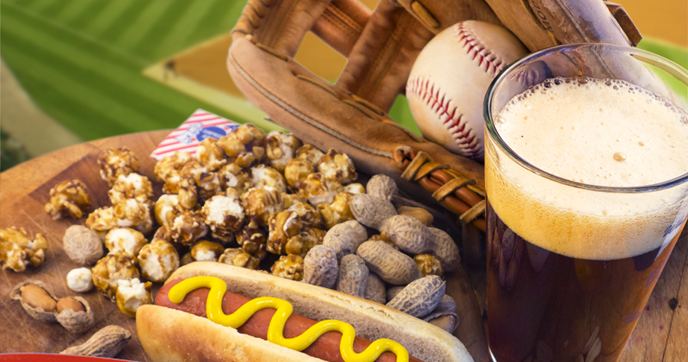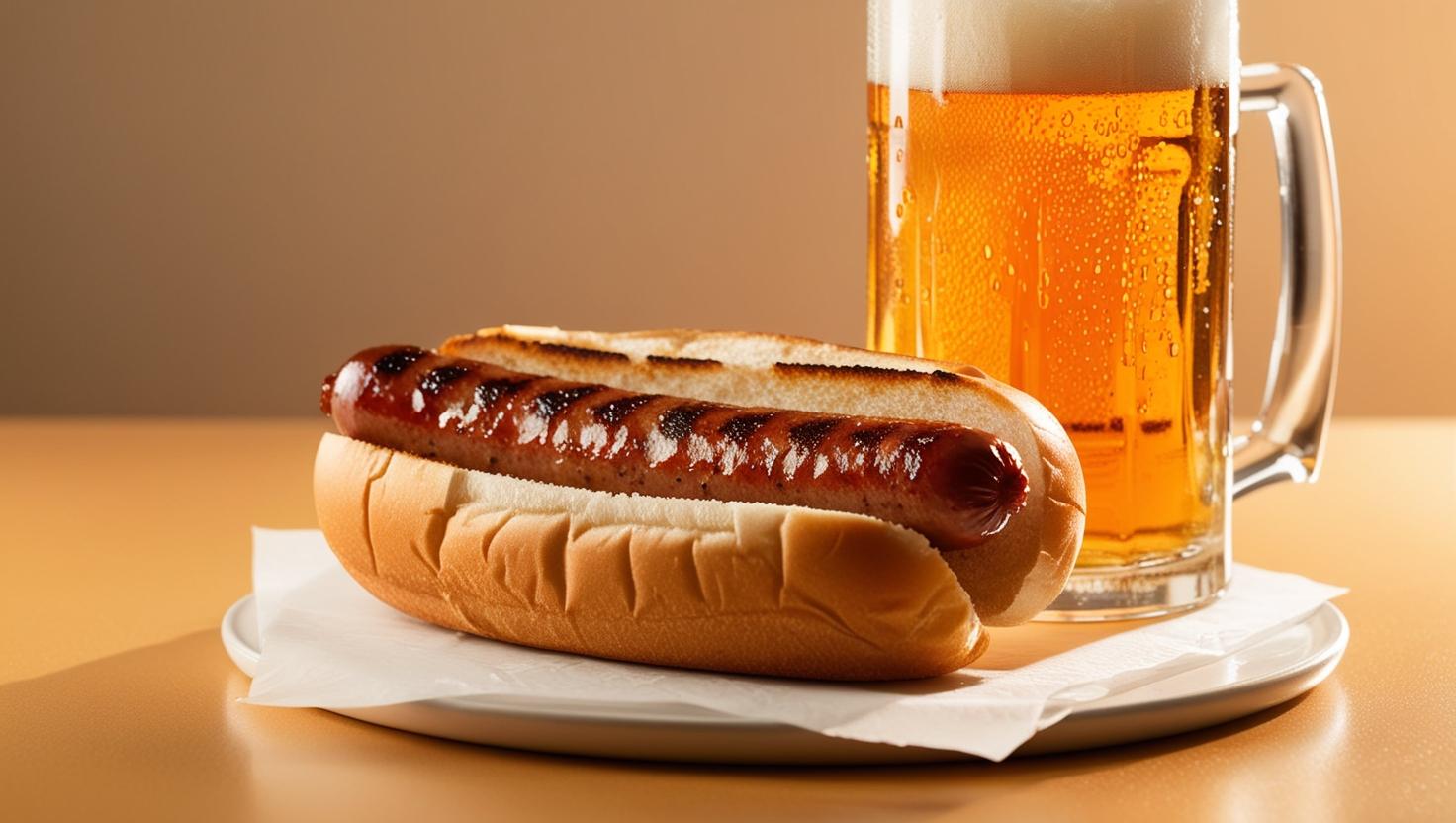
The humble hot dog and a frosty beer. They seem like a casual pairing, almost an afterthought in the culinary landscape. Yet, a closer examination reveals a fascinating synergy – a dance of flavors and textures that, when approached thoughtfully, elevates a simple meal into a surprisingly sophisticated experience. It’s a quintessentially North American ritual, steeped in tradition and ripe for exploration. Let’s delve into the nuances of this union, uncovering how specific beer styles can spectacularly complement various hot dog iterations, transcending the commonplace and unlocking a world of gustatory delight.
The Foundation: Understanding the Hot Dog Persona
Before we discuss beverages, it’s imperative to understand that a hot dog isn’t just a mass of spiced meat in a bun. Its character is defined by several factors: the type of meat (beef, pork, chicken, or a blend), the spice profile (smoky, sweet, savory), the casing (natural or synthetic, impacting the “snap”), and crucially, the toppings. Think of the hot dog as a blank canvas, each element contributing to its unique persona. A Chicago-style dog, brimming with neon-bright relish, onion, tomato, and sport peppers, presents a drastically different flavor profile than a simple, all-beef frank with mustard and sauerkraut. Recognizing these subtleties is the key to harmonizing with the appropriate beer.
The Pilsner’s Precision: A Classic Companion
A crisp, golden pilsner is often the default pairing for a reason. Its delicate hop bitterness and effervescence serve as a palate cleanser, cutting through the richness of the sausage and acting as a refreshing foil to heavier toppings. The clean, uncomplicated character of a pilsner doesn’t overshadow the hot dog’s flavors; instead, it accentuates them. Look for examples with a pronounced noble hop aroma, lending a subtle floral or spicy nuance that complements the inherent savoriness of the meat. This pairing evokes a feeling of uncomplicated summer afternoons, a timeless combination built on balance.
Wheat Beer’s Whimsy: A Fruity and Creamy Counterpoint
Wheat beers, particularly Hefeweizens with their characteristic banana and clove esters, offer a delightful contrast to the hot dog’s sometimes-intense flavors. The fruity notes intertwine with sweeter toppings like caramelized onions or a tangy BBQ sauce, creating a symphony of flavors. The creamy mouthfeel, derived from the suspended yeast, provides a luxurious counterpoint to the hot dog’s often-firm texture. A Belgian Witbier, further enhanced with orange peel and coriander, introduces a layer of intriguing complexity – a playful and unexpected, yet undeniably cohesive pairing.
IPAs’ Intensity: A Bold and Bitter Embrace
For those who appreciate a more assertive pairing, an India Pale Ale (IPA) can provide an exhilarating experience. The pronounced hop bitterness and citrusy aroma of an IPA cut through the fat and richness of a beefy hot dog, creating a compelling tension. However, judicious selection is vital. A New England IPA, with its hazy appearance and juicy, tropical fruit notes, can create an unexpectedly harmonious union, softening the IPA’s inherent intensity. A West Coast IPA, with its drier, more bitter character, is best suited for hot dogs with bolder flavor profiles, like those featuring chorizo or jalapenos. This pairing demands a certain adventurousness, a willingness to embrace a bolder pallete.
Stouts & Porters: A Smoky and Savory Revelation
The smoky complexity of a stout or porter might seem unconventional, yet it proves a remarkably apt companion for specific hot dog incarnations. Imagine a wood-smoked hot dog, imbued with earthy flavors and a lingering hint of char. A robust porter, with its notes of chocolate, coffee, and roasted malt, amplifies the smoky character, creating an exceptionally rich and decadent experience. The subtle sweetness of the beer also balances the inherent saltiness of the frankfurter. This combination is for those who appreciate the artful confluence of robust flavors, a genuine connoisseur’s choice.
Saisons’ Sophistication: A Farmhouse Fermentation’s Influence
Saisons, also known as farmhouse ales, are characterized by their peppery spice, subtle tartness, and dry finish. Their complex flavor profile makes them surprisingly versatile when paired with hot dogs. The effervescence cleanses the palate, while the yeasty notes add a subtle depth. The often-especed floral and earthy characteristics beautifully complement a hot dog featuring more sophisticated toppings, such as gourmet mustards or artisanal cheeses. This is a pairing that speaks to a more refined appreciation of both craft beer and elevated hot dog fare.
Lagers and Vienna Lagers: A malty and smooth experience
Beyond the commonly known pilsners, lagers and Vienna Lagers offer a unique experience. The crisp, clean palate of a standard lager provides a subtly refreshing experience, a simpler accompaniment to a classic hot dog and mustard. The Vienna Lager offers a bit more malt character, creating depth without becoming to heavy. These lagers have a subtle sweetness and gentle maltiness that work especially well with hot dogs emphasizing the meat’s natural flavor; think beef and yellow mustard.
Beyond the Basics: Exploring Regional Variations
Just as hot dogs vary by region, so too do beer preferences. In the Midwest, a lighter lager is commonplace. Along the coasts, IPAs and wheat beers command a larger share of the market. Exploring these regional preferences can lead to unexpected and delightful pairings. A Sonoran dog, loaded with bacon, beans, and onions, might benefit from a rich amber ale. A New York-style hot dog, often served with sauerkraut and spicy brown mustard, could be perfectly complemented by a crisp Dunkel.
The Art of the Pairing: Experimentation and Personal Preference
Ultimately, the best hot dog and beer pairing is a matter of personal preference. These suggestions are merely a guide, a starting point for culinary exploration. Don’t be afraid to experiment – try unexpected combinations and discover new favorites. Consider the overall spice level, fat content, and topping complexity of your hot dog, and choose a beer that will complement, not compete with, those flavors. The true reward lies in the unexpected harmonies discovered during that exploration, the shared experience fostering a deeper understanding and appreciation for this ubiquitous pairing.