The aroma of freshly brewed hops and the crack of the bat—these sensory experiences are inextricably linked for millions of baseball enthusiasts. Yet, beyond the nostalgic charm of a ballpark beverage, a growing curiosity ripples amongst fans: which of these beloved options offers the most nutritional value, or at least, the fewest detriments? It’s a question that seems almost frivolous on the surface, but one that reflects a deeper societal shift toward mindful consumption and a burgeoning understanding of the interplay between pleasure and wellness. Let’s delve into the surprisingly complex realm of ballpark beer and its impact, putting various choices to a metaphorical “health test.”
The Allure of Ballpark Beer: More Than Just Refreshment
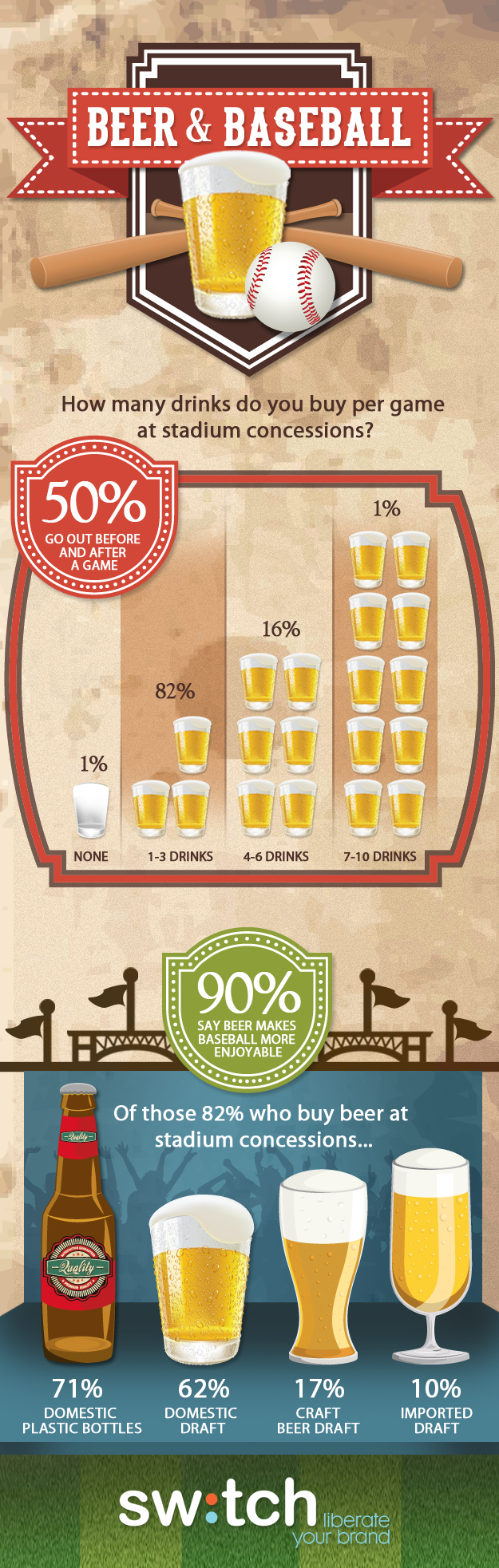
For generations, beer has been as much a part of the baseball experience as hot dogs and the seventh-inning stretch. The ritual is steeped in tradition, a form of communal effervescence shared amongst strangers united by a common passion. The appeal is multi-faceted. The perceived mild intoxication can amplify the excitement of the game, reducing inhibitions and fostering a sense of camaraderie. Furthermore, the cooling effect on a warm summer evening is undeniable, providing temporary respite from the sun’s intensity. It’s a nostalgic connection, too – a recreation of simpler times and carefree afternoons.
Decoding the Nutritional Landscape: Where Beer Stands
Let’s be clear: beer is not a paragon of nutritional virtue. Primarily composed of water, malted barley, and hops, it also contains carbohydrates and, depending on the style, a moderate amount of protein. However, it lacks significant quantities of vitamins or minerals. The carbohydrates contribute to its calorie count, and the alcohol, of course, introduces its own set of physiological considerations. The glycemic index, or how quickly a food raises blood sugar, is a factor to consider, as rapid spikes can lead to energy crashes and exacerbate existing metabolic conditions. Understanding these fundamentals is crucial before attempting to discern “healthier” options.
Light Lagers: The Ubiquitous Choice, But is it Optimal?
The quintessential ballpark beer, the light lager, is often the default choice; its affordability and crispness appeal to a broad audience. However, its nutritional profile is predictably sparse. These beers are typically attenuated to a great extent during fermentation, stripping away many of the polyphenols – the compounds found in beer that have antioxidant properties. While quenching, their overall contribution to well-being beyond simple hydration is minimal. Volume, too, is often a significant concern; a few light lagers can easily accumulate empty calories, hindering progress towards overall dietary goals.
Exploring the Realm of Wheat Beers: A Marginal Improvement?
Wheat beers, like Hefeweizens, possess a slightly more complex profile. The inclusion of wheat malt adds a subtle, sometimes fruity, flavor and introduces a touch more protein compared to light lagers. Importantly, they tend to retain a higher concentration of polyphenols, specifically ferulic acid, which has demonstrated an ability to mitigate oxidative stress. However, their alcohol content can often be marginally higher than light lagers, requiring commensurate caution. Despite these minor improvements, the caloric footprint remains firmly within the beer spectrum.
The Intriguing Case of Darker Ales: Antioxidants and Complexity
Stout and porter, the darker brethren of the beer family, present a different proposition. The use of roasted malts infuses these styles with an abundance of melanoidins, which are potent antioxidants. These compounds are believed to help protect against cellular damage caused by free radicals. Furthermore, darker ales often exhibit a more robust and nuanced flavor profile—a complexity that can enhance the sensory experience and potentially reduce the desire to consume excessive quantities. Though frequently boasting a higher alcohol content, the inherent antioxidant benefits can be considered a modest offset.
IPAs: The Hops Factor – A Double-Edged Sword
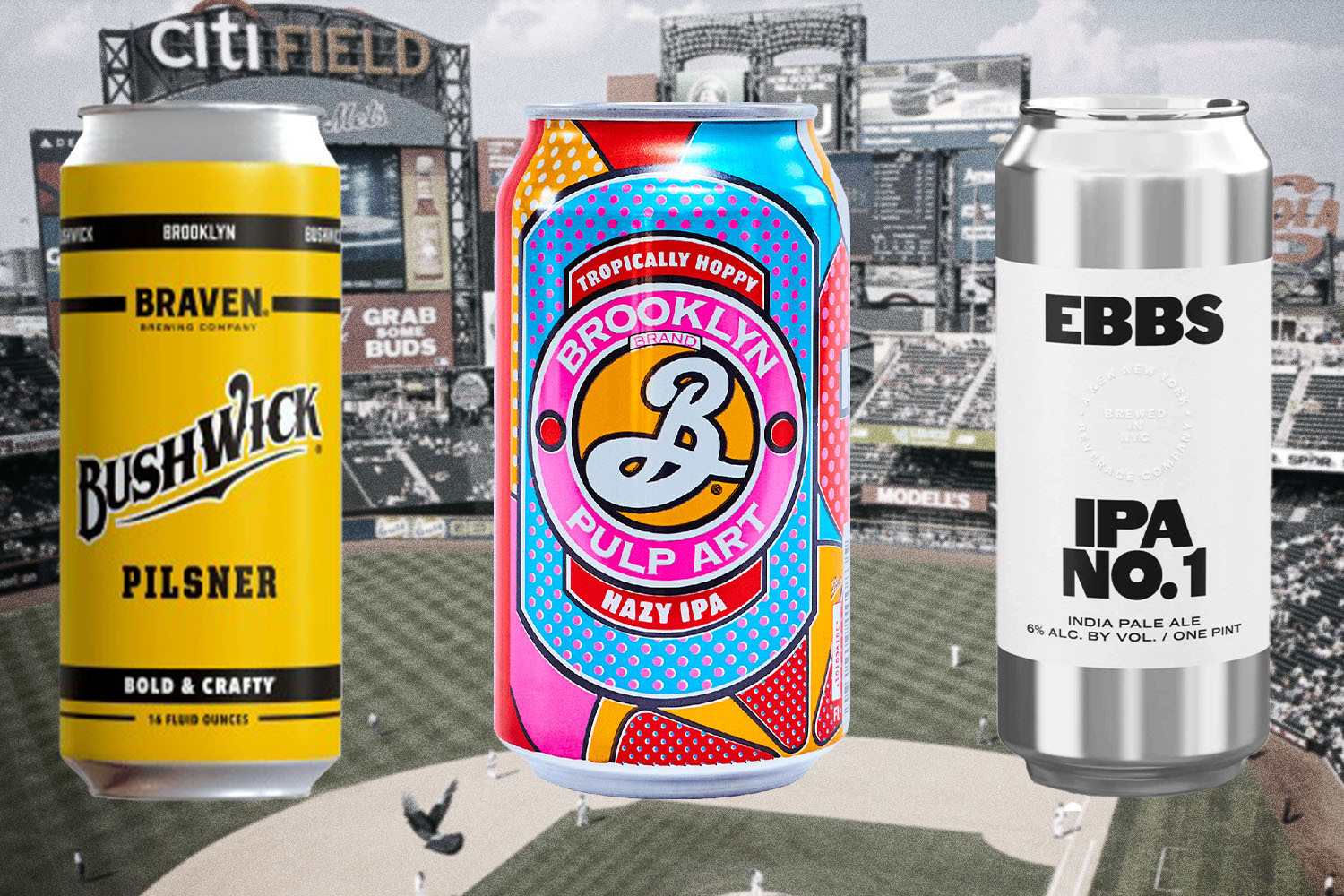
India Pale Ales (IPAs), renowned for their assertive bitterness derived from copious hop additions, inspire polarized opinions. While hops are rich in polyphenols – including xanthohumol, another antioxidant—the abundance of alcohol and sometimes the high bitterness can present challenges. The bitterness, while arguably contributing to a distinct flavor profile, can be irritating to some individuals’ digestive systems. Moreover, the alcohol content, often superior to lighter styles, demands responsible moderation. The “healthiest” aspect then hinges on individual tolerance and the quantity consumed.
Saisons & Farmhouse Ales: A Refreshing, Yet Often Overlooked, Option
Saisons and farmhouse ales offer a unique proposition – a blend of refreshing effervescence and often, a nuanced complexity. These beers are traditionally brewed in the summer months and often possess considerable carbonation, aiding in hydration and a sense of lightness. The fermentation process frequently involves unique yeast strains that impart fruity and spicy notes, adding another layer of sensory appreciation. While calories are typically reasonable, it’s crucial to scrutinize the alcohol by volume (ABV), as it can vary widely.
Beyond the Beer: The Importance of Hydration and Moderation
Ultimately, there isn’t a single “healthiest” beer at the ballpark. The best approach involves mindful consumption. Water is paramount – one should prioritize hydration alongside any alcoholic beverage. Moreover, understanding personal tolerance and practicing moderation are keys to enjoyment without compromising well-being. The entire ballpark experience is about connection, recreation, and savoring moments. Diluting the enjoyment with excessive self-judgment is counterproductive. Consider alternating alcoholic beverages with non-alcoholic options; sparkling water with a slice of citrus can provide a similar sense of refreshment without the alcohol’s influence.
The Future of Ballpark Beer: A Convergence of Wellness and Flavor
The burgeoning interest in “healthier” beverage options might eventually filter into ballpark offerings. Expect to see more low-alcohol, low-calorie alternatives and potentially even beer styles brewed with ingredients designed to enhance nutritional value. The consumer appetite for greater transparency regarding ingredients and nutritional content is already influencing the broader beverage industry. As awareness continues to grow, even the venerable ballpark beer might evolve, subtly reflecting the ongoing quest for a more balanced and holistic lifestyle.