The crack of the bat, the roar of the crowd, the pitcher’s mound—a solitary island of tension in a sea of anticipation. Every pitch is a story unfolding, a battle of wits and raw power between the hurler and the batter. But what if that story could be told not just in words, but in numbers? What if the velocity of a fastball could reveal the arc of a player’s journey, from the first tentative throws of youth to the lightning-fast deliveries of the major leagues? Pitching velocity is more than a statistic; it’s a living timeline, a pulse of progress that beats stronger with each passing year—until, like all things, it finds its peak and begins to settle into wisdom. Whether you’re a young arm dreaming of the mound, a parent tracking a child’s growth, or a coach refining raw talent, understanding average pitching speeds by age is like reading the chapters of an athlete’s development before the final page is even written.
The Seedling Stage: Ages 7–10 and the First Whispers of Power
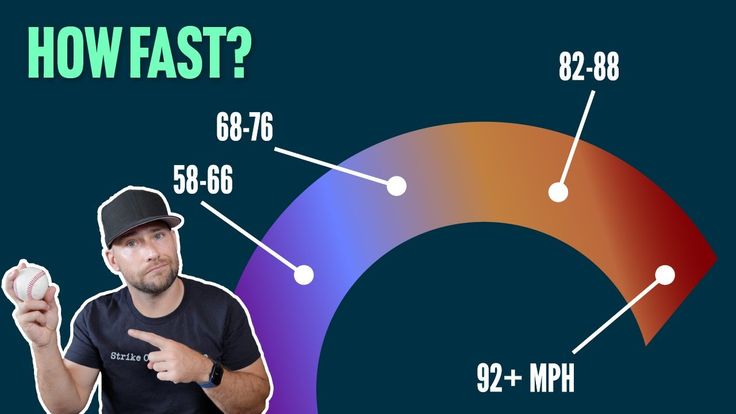
At seven years old, a baseball in a child’s hand feels like a small planet—round, unfamiliar, and slightly intimidating. The first pitches are not throws; they are experiments. The average fastball speed in this stage hovers between 35 and 45 miles per hour (mph), a gentle breeze compared to the gale-force winds of professional pitching. Yet, this is where the foundation is laid, not in raw speed, but in mechanics, rhythm, and the quiet discipline of repetition. Children at this age are still mastering coordination, learning to transfer energy from the legs through the torso and into the arm like a well-oiled catapult. The focus isn’t on velocity; it’s on control, on making the ball go where it’s intended to go. A 40 mph fastball may not intimidate a batter, but it teaches a young pitcher the value of location over sheer force—a lesson that will echo through every inning of their career.
The Growth Spurt: Ages 11–14 and the Burst of Adolescent Fire
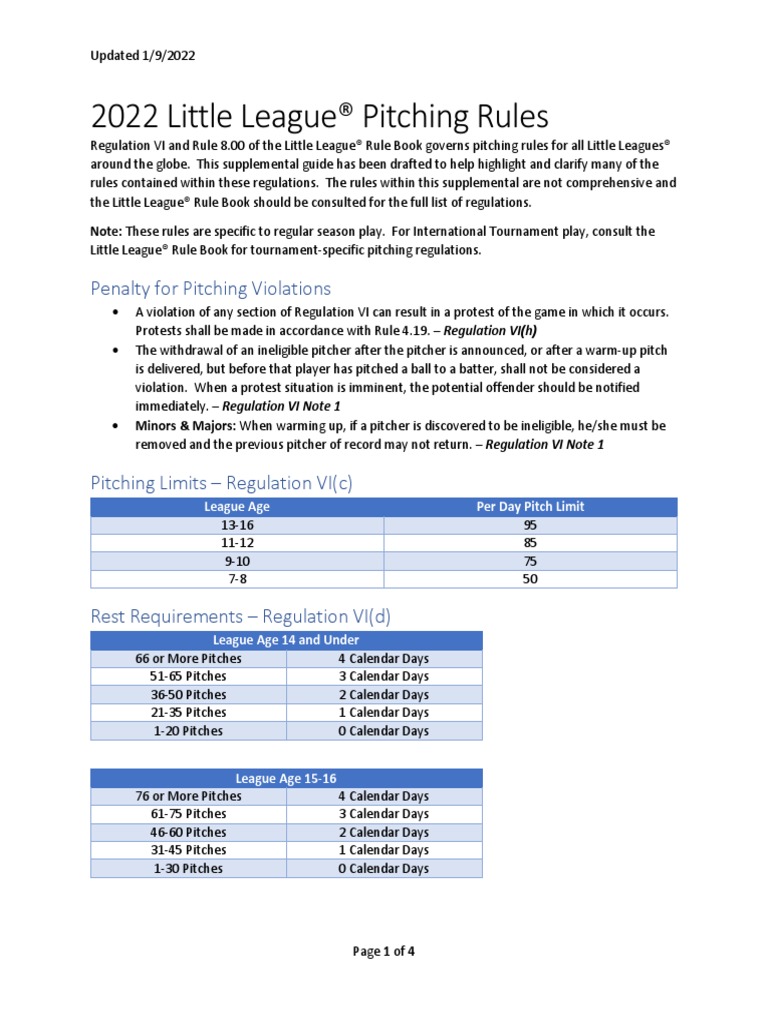
Puberty arrives like an uninvited guest, transforming bodies and ambitions overnight. Between the ages of 11 and 14, pitchers often experience a dramatic surge in velocity, sometimes adding 10 to 15 mph to their fastball in just a year or two. The average speed in this bracket climbs to between 50 and 65 mph, a quantum leap that mirrors the physical metamorphosis of adolescence. Muscles lengthen, bones strengthen, and the once-fragile coordination of childhood solidifies into something more powerful. This is the age when pitchers begin to feel the thrill of velocity—the crack of the catcher’s mitt, the batter’s slight flinch, the sudden realization that their arm can command attention. Yet, with this newfound power comes risk. Overuse injuries, particularly to the shoulder and elbow, become a looming specter. The challenge shifts from chasing speed to managing it, from unleashing raw potential to sculpting it into sustainable skill.
The High School Crucible: Ages 15–18 and the Forge of Competition
High school baseball is a crucible where talent is tested, refined, and sometimes shattered. By ages 15 to 18, pitchers who have honed their craft begin to approach the threshold of elite amateur performance. Average fastball speeds in this range typically fall between 65 and 75 mph, with standout athletes pushing into the upper 70s or even low 80s. These numbers are no longer the product of natural growth alone; they are the result of structured training, video analysis, and the relentless pursuit of perfection. The mound becomes a stage, and every pitch is scrutinized. Scouts begin to take notice. College recruiters lurk in the stands, their radar guns hidden in plain sight, measuring not just speed, but consistency, stamina, and the intangible quality of competitiveness. Yet, velocity alone is not enough. A pitcher who throws 80 mph with perfect mechanics may outshine a 75 mph thrower with erratic form. The true artistry lies in blending speed with deception, turning the mound into a theater of illusion.
The College Gauntlet: Ages 18–22 and the Ascent to Elite Performance
College baseball is where raw talent meets the crucible of high-stakes competition. For pitchers aged 18 to 22, the average fastball speed ranges from 80 to 90 mph, with top-tier programs producing arms that flirt with triple digits. This is the proving ground where velocity becomes a currency, where a 90 mph fastball can be the difference between a walk-on roster spot and a scholarship. Yet, the transition from high school to college is not merely about throwing harder; it’s about throwing smarter. The college game demands a deeper arsenal—changeups that tumble like autumn leaves, curveballs that dive like swallows, sliders that shatter like glass. Pitchers must develop secondary pitches with the same precision as their fastballs, learning to manipulate the strike zone like a chess grandmaster. The radar gun becomes a constant companion, but the real battle is fought in the mind. Can a pitcher maintain composure under pressure? Can they adapt to a lineup that studies their tendencies like scholars poring over ancient texts? Velocity is the sword, but strategy is the shield.
The Professional Peak: Ages 22–28 and the Zenith of Power
In professional baseball, the margin between success and obscurity is measured in fractions of a second and fractions of an inch. For pitchers aged 22 to 28, the average fastball speed in the minor leagues hovers between 88 and 95 mph, while major leaguers routinely exceed 95 mph, with elite relievers and aces pushing past 100 mph like a freight train breaking through sound barriers. This is the golden age of pitching, where velocity is not just a tool but a weapon. Yet, even at this peak, the body begins to whisper warnings. Ligaments fray, tendons tighten, and the once-effortless delivery becomes a balancing act between power and preservation. The best pitchers in the world are not those who throw the hardest, but those who can sustain their velocity while maintaining pinpoint control. The fastball is no longer just a pitch; it’s a statement. A 98 mph heater up and in says, “You do not belong here.” A 92 mph changeup that dives out of the zone says, “You were never in control.” The professional game is not just about throwing hard; it’s about throwing with purpose.
The Wisdom of the Arm: Ages 29–35 and the Art of Longevity
As the years accumulate, so too does the wisdom of the pitcher. By ages 29 to 35, velocity begins its inevitable decline, a slow ebb like the tide retreating from the shore. The average fastball speed drops to the high 80s or low 90s, but the loss of speed is often compensated by an increase in guile. Pitchers who have survived this long are not just throwers; they are storytellers. They understand the rhythm of a hitter’s swing, the subtle tells in a batter’s stance, the psychology of a full count. A 32-year-old pitcher with a 90 mph fastball may not overpower a 22-year-old with a 100 mph heater, but they can outthink them. The changeup becomes a scalpel, the curveball a siren’s song, and the fastball a final, defiant whisper. This is the age of the craft, where experience trumps raw power, and the mound transforms from a stage of youthful exuberance into a pulpit of calculated precision.
The Twilight Years: Ages 36+ and the Legacy of the Pitch
Pitching in the twilight years is not about velocity; it’s about legacy. By age 36 and beyond, average fastball speeds dip into the mid-to-high 80s, a far cry from the thunderous speeds of youth. Yet, these pitchers are the living embodiments of the game’s enduring spirit. They are the mentors, the late-inning specialists, the relievers who enter the game with the weight of experience on their shoulders. Their fastballs may not sizzle, but their presence does. A 38-year-old pitcher who can still command four pitches with surgical precision is a testament to the body’s ability to adapt, to the mind’s capacity to outlast the flesh. They are the keepers of the craft, the ones who remind younger players that baseball is not just about speed—it’s about heart, about the willingness to keep throwing even when the radar gun no longer flatters.
The journey of a pitcher’s velocity is a mirror to their life—full of peaks and valleys, of growth and decline, of power and wisdom. From the tentative first throws of childhood to the refined artistry of a veteran’s prime, each stage offers its own challenges and rewards. Velocity is not the destination; it is the compass, guiding players through the ever-changing landscape of the game. Whether you stand on the mound as a 10-year-old dreaming of glory or a 35-year-old defying time, the question remains the same: Where do you stand in the grand narrative of pitching? The answer lies not in the numbers alone, but in the story they tell.