Baseball cards have long been a cherished medium for fans to connect with the sport, blending nostalgia with artistic interpretation. Yet, some of the most intriguing—and often perplexing—cards are those where the artwork diverges wildly from the player’s actual appearance. These visual discrepancies, whether intentional or born of creative license, transform baseball cards into fascinating artifacts of misrepresentation. From exaggerated features to outright fantastical depictions, these cards challenge our perceptions of accuracy and invite us to explore the whimsy behind their creation.
The Allure of Artistic License: When Creativity Overrides Reality
Baseball cards are not merely collectibles; they are miniature canvases where artists infuse personality, style, and sometimes sheer imagination into their work. The divergence between a player’s real-life appearance and their card depiction often stems from the artist’s desire to evoke emotion, emphasize certain traits, or simply experiment with visual flair. In the early 20th century, when photography was less accessible, illustrators had more freedom to interpret players through their own lens. A broad-shouldered slugger might be rendered with Herculean proportions, while a wiry pitcher could be depicted with exaggerated musculature, creating a mythic version of the athlete that bore little resemblance to reality.
This artistic license wasn’t just about flattery—it was about storytelling. Cards became a way to mythologize players, turning them into larger-than-life figures in the public imagination. The disconnect between art and reality, then, was less a flaw and more a feature, a deliberate choice to craft an idealized version of the player that fans could admire and emulate. Even today, with photographic realism dominating modern cards, there’s a nostalgic charm in these exaggerated portrayals, a reminder that baseball cards were once as much about fantasy as they were about fact.
The Golden Age of Misrepresentation: 19th and Early 20th Century Cards
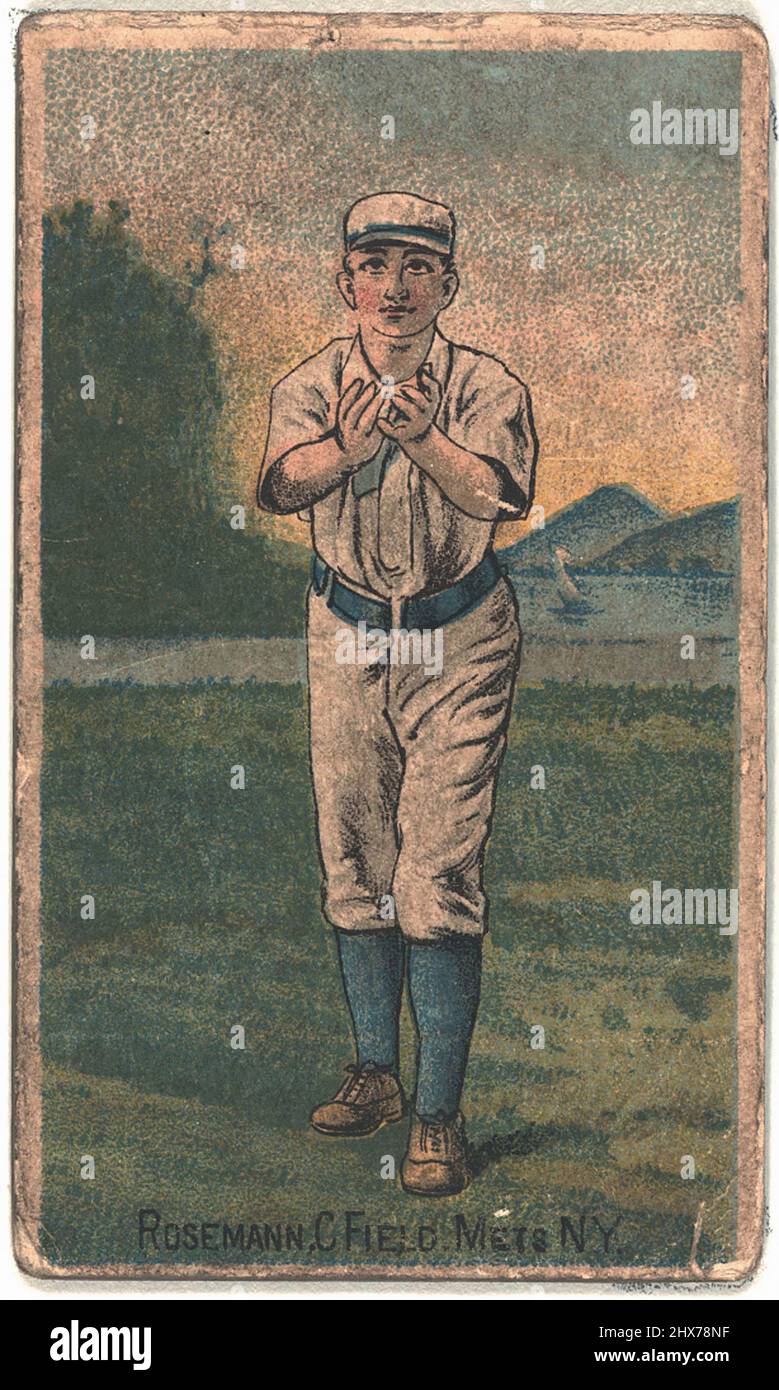
The late 1800s and early 1900s marked the golden age of baseball card artwork that bore little resemblance to its subjects. During this era, lithography and hand-drawn illustrations were the primary methods of card production, allowing artists to take significant liberties. Players were often depicted in poses that exaggerated their strengths—batters mid-swing with impossibly broad stances, pitchers with arms contorted into dramatic arcs, and fielders frozen in acrobatic mid-air catches. The lack of photographic reference meant that artists relied on their own interpretations, sometimes blending multiple players’ features into a single, idealized figure.
One of the most striking examples from this period is the portrayal of Honus Wagner, one of baseball’s first true superstars. His cards often depicted him with a stern, almost regal demeanor, his features softened and idealized. The reality was far less glamorous—Wagner was known for his rugged, unpolished appearance, with a thick mustache and a no-nonsense demeanor. Yet, the cards transformed him into a noble figure, a knight of the diamond. This disconnect between reality and representation wasn’t just confined to Wagner; it was a common thread across the era, reflecting the broader cultural fascination with heroism and idealization in sports.
Exaggerated Features: The Art of Emphasis in Card Design
Some of the most memorable baseball card misrepresentations stem from artists’ decisions to emphasize certain physical traits while downplaying others. A player with a particularly large nose might be rendered with an almost comically exaggerated proboscis, while a player known for their speed might be depicted in a blur of motion, their limbs stretched to impossible lengths. These exaggerations weren’t just random—they were deliberate choices to highlight what the artist (or the card’s commissioner) deemed most important about the player.
Take, for example, the case of a player known for their powerful swing. An artist might depict them with forearms the size of tree trunks, their bat a mere twig in comparison, to emphasize raw power. Alternatively, a player with a reputation for finesse might be shown in a graceful, almost balletic pose, their movements fluid and elegant. These artistic decisions transformed cards into visual shorthand, conveying a player’s identity at a glance. The disconnect between art and reality, then, was less about incompetence and more about communication—a way to instantly convey a player’s strengths, personality, or even their role on the team.
Cultural and Racial Stereotypes: The Dark Side of Early Card Art
While many baseball card misrepresentations were born of artistic license, some were rooted in deeply problematic stereotypes that reflected the prejudices of their time. In the early 20th century, players of color—particularly Black and Latino athletes—were often depicted in exaggerated, caricatured ways that reinforced racial biases. These cards frequently featured grotesque exaggerations of facial features, body proportions, and even clothing, reducing players to one-dimensional caricatures that bore little resemblance to their actual appearances.
One of the most infamous examples is the portrayal of Black players in early tobacco cards, where they were often depicted with exaggerated grins, bulging eyes, and other dehumanizing traits. These cards weren’t just inaccurate—they were harmful, perpetuating harmful stereotypes that lingered long after the cards themselves were produced. The legacy of these depictions serves as a stark reminder of how baseball cards, like other forms of media, can be used to reinforce or challenge societal biases. While modern cards have largely moved away from such overt stereotypes, the history of these misrepresentations remains a sobering chapter in the hobby’s past.
Modern Anomalies: When Digital Art Meets Reality
In the digital age, baseball cards have evolved from hand-drawn illustrations to hyper-realistic digital renderings. Yet, even in this era of photographic precision, some cards still manage to defy reality in unexpected ways. Digital artists, freed from the constraints of physical media, sometimes take creative liberties that result in depictions that are more fantasy than fact. A player might be rendered with unnatural proportions, their features softened or sharpened to fit a particular aesthetic. Alternatively, artists might blend multiple players’ likenesses into a single, idealized figure, creating a composite that bears little resemblance to any real athlete.
One modern example is the use of “heroic” or “mythic” portrayals in digital card designs, where players are depicted in poses that emphasize their larger-than-life status. A modern slugger might be shown mid-swing with a bat that seems to defy physics, their muscles exaggerated to Herculean proportions. These digital manipulations aren’t just about accuracy—they’re about creating a sense of awe and admiration, turning players into modern-day titans of the diamond. While these cards may not be as overtly inaccurate as their early 20th-century counterparts, they still represent a deliberate departure from reality, a testament to the enduring power of artistic interpretation in baseball card design.
Collecting the Uncanny: Why These Cards Fascinate Us
There’s something undeniably captivating about baseball cards that misrepresent their subjects. Whether it’s the whimsical charm of an early 20th-century illustration or the digital surrealism of a modern card, these misrepresentations invite us to question our assumptions about accuracy and artistry. For collectors, these cards are more than just pieces of cardboard—they’re windows into the cultural and artistic sensibilities of their time. They challenge us to look beyond the surface, to consider the motivations behind their creation, and to appreciate the ways in which they reflect the broader world of baseball and society.
Moreover, these cards serve as a reminder that baseball cards are not just historical documents—they’re works of art. The disconnect between a player’s real-life appearance and their card depiction is a testament to the power of creativity, a celebration of the ways in which art can transform the mundane into the extraordinary. Whether you’re a seasoned collector or a casual fan, there’s a certain joy in discovering a card that defies expectations, a small rebellion against the tyranny of photographic realism. In a hobby often defined by precision and accuracy, these misrepresentations stand out as delightful anomalies, a reminder that sometimes, the most interesting cards are the ones that don’t quite look like the players they’re supposed to represent.