Baseball, a sport steeped in tradition and precision, demands a unique blend of athleticism and technique. For players who step into the batter’s box after turning 30, the challenge of maintaining—or even enhancing—bat speed becomes a focal point of their training regimen. The assumption that bat speed inevitably declines with age is not entirely unfounded, but it is far from an absolute truth. The human body, even in its later decades, possesses remarkable adaptability and resilience. The key lies in understanding the biomechanical intricacies of the swing, the physiological changes that accompany aging, and the strategic adjustments that can counteract these shifts. This exploration delves into the science and art of increasing bat speed after 30, offering actionable insights for players who refuse to let time dictate their performance.
The Myth of Inevitable Decline: Why Bat Speed Can Defy Age
The notion that bat speed must wane after 30 is a pervasive myth, rooted in the broader cultural narrative of aging as a period of decline. However, this perspective overlooks the body’s capacity for adaptation and refinement. While it’s true that muscle mass and fast-twitch fiber recruitment may decrease with age, these changes are not irreversible. The body’s neuromuscular system, responsible for coordinating movement, remains highly trainable. Through targeted exercises and deliberate practice, players can recalibrate their motor patterns, enhancing the efficiency of their swing mechanics. The swing, after all, is not merely a physical act but a symphony of neural impulses, timing, and precision. By refining these elements, players can unlock latent potential, proving that bat speed is as much a product of strategy as it is of strength.
Biomechanics of the Swing: The Hidden Levers of Power
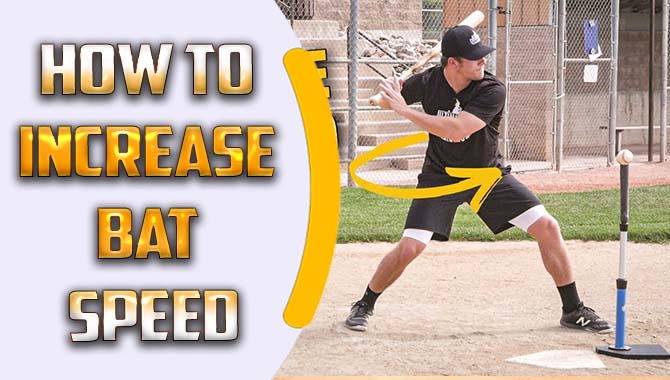
To increase bat speed, one must first dissect the swing into its fundamental components. The modern baseball swing is a marvel of kinetic sequencing, where energy is transferred from the ground up—through the legs, hips, torso, and finally into the arms and bat. The initial phase, the stride and weight shift, sets the stage for rotational power. A player who masters the art of loading their back leg while maintaining a stable front side can generate a whip-like effect, translating stored energy into bat speed. The hips, often the most underutilized muscle group in amateur swings, serve as the engine of this kinetic chain. A rapid, controlled rotation of the pelvis not only accelerates the bat but also reduces the risk of injury by distributing force more evenly. The torso, acting as a conduit between the lower and upper body, must remain supple yet rigid, allowing for the transfer of momentum without dissipating energy. Finally, the arms and hands, though often the focus of training, are merely the final link in this chain. Their role is to guide the bat through the zone with precision, not to generate power independently.
Strength Training for the Aging Athlete: Beyond the Weight Room
Traditional strength training, with its emphasis on heavy lifts and maximal exertion, is not always the most effective approach for players over 30. Instead, the focus should shift toward eccentric training and plyometrics, modalities that enhance muscle elasticity and explosive power. Eccentric exercises, such as slow negatives on the bench press or controlled drop squats, stimulate muscle growth while reducing the risk of tendon strain—a common issue for older athletes. Plyometrics, including box jumps and medicine ball throws, train the body to generate force rapidly, mimicking the explosive nature of a baseball swing. Additionally, rotational core exercises, such as cable chops or Russian twists with resistance, fortify the muscles that stabilize the torso during the swing. The goal is not to build brute strength but to cultivate a spring-like quality in the muscles, allowing for greater energy return with each swing. Hydration and recovery also play a critical role, as the aging body requires more time to repair microtears and replenish glycogen stores.
Mobility and Flexibility: The Unsung Heroes of Bat Speed
Bat speed is not solely a product of strength; it is equally dependent on mobility and flexibility. The thoracic spine, or the mid-back region, is a critical area often neglected in training. A stiff thoracic spine restricts the rotational range of motion, forcing the hips and shoulders to compensate, which can lead to inefficiencies and injury. Incorporating thoracic spine rotations, cat-cow stretches, and foam rolling can restore fluidity to this region, allowing for a more fluid swing. The hip flexors, too, are often tight in athletes who spend significant time in a seated position, whether in a car or at a desk. Tight hip flexors can inhibit the stride and weight shift, reducing the power generated from the lower body. Dynamic hip mobility drills, such as walking lunges with a twist or deep squat holds, can alleviate this tension. Additionally, ankle dorsiflexion—a measure of how far the shin can move forward over the foot—directly impacts the stride length and balance during the swing. Simple exercises like ankle mobilizations with a band can improve this often-overlooked component.
Technology and Feedback: The Modern Player’s Arsenal
The advent of technology has revolutionized how players train for bat speed. High-speed cameras, such as those used in Rapsodo or Blast Motion systems, provide real-time data on swing metrics, including bat speed, attack angle, and vertical bat angle. This feedback allows players to identify inefficiencies and make micro-adjustments to their mechanics. For instance, a player with a late bat path may discover that their stride length is too short, causing them to rush the swing. Similarly, a player with a steep attack angle might benefit from adjusting their hand path to promote a more level swing plane. Wearable devices, such as WHOOP or Catapult sensors, track sleep quality, heart rate variability, and recovery metrics, ensuring that training loads are optimized to prevent overtraining. Even virtual reality (VR) systems, like WinReality, offer immersive batting simulations, allowing players to practice timing and pitch recognition without the physical demands of live pitching. These tools democratize high-level training, making it accessible to players of all ages and skill levels.
Nutrition and Recovery: Fueling the Aging Athlete
The adage “you are what you eat” takes on new meaning for players over 30, whose metabolisms and recovery rates are not what they once were. Protein intake becomes paramount, not just for muscle repair but for maintaining lean mass. Aim for 1.6 to 2.2 grams of protein per kilogram of body weight daily, prioritizing sources like lean meats, eggs, and plant-based proteins. Collagen and glycine-rich foods, such as bone broth or fish skin, support tendon and ligament health, reducing the risk of strains. Hydration is another critical factor; even mild dehydration can impair neuromuscular coordination, leading to slower reaction times and reduced bat speed. Electrolyte balance, particularly magnesium and potassium, supports muscle function and prevents cramping. Sleep, often sacrificed in pursuit of performance, is where the magic happens. During deep sleep, the body releases growth hormone, which aids in tissue repair and muscle growth. Players should aim for 7 to 9 hours of quality sleep, with consistent bedtimes to regulate circadian rhythms. Active recovery, such as light swimming or yoga, can also enhance circulation and reduce inflammation, keeping the body primed for the next training session.
The Mental Game: Harnessing Focus and Adaptability
Bat speed is not merely a physical attribute; it is a mental one as well. The ability to remain present in the batter’s box, to read pitches with precision, and to execute under pressure separates good players from great ones. Visualization techniques, where players mentally rehearse their swing mechanics and pitch recognition, can enhance muscle memory and confidence. Breathwork, such as the Wim Hof method, can regulate the nervous system, reducing pre-swing anxiety and promoting a state of calm focus. Additionally, the concept of deliberate practice—where players break down their swing into specific components and work on them in isolation—can lead to breakthroughs in performance. For example, a player struggling with late hip rotation might spend a session solely on hip mobility drills before integrating them back into their full swing. The key is to approach training with curiosity and a willingness to experiment, treating each swing as an opportunity to learn rather than a test of ability.