The crack of the bat, the roar of the crowd, the pitcher’s mound—a stage where legends are forged and careers are defined. Yet, even the mightiest aces, those titans of the mound who once defied fatigue with a mere flick of the wrist, must eventually yield to the relentless march of time. What happens when the “fatigued ace” can no longer take the ball? Enter the unsung hero of modern baseball: the spot start stream. A tactical chess move, a calculated gamble, and sometimes, a desperate Hail Mary. But does this strategy truly bridge the gap, or does it merely paper over the cracks of a deeper problem?
The Relentless Grind: Why Even the Best Arms Wear Down
Pitching is not just about velocity or spin rate—it’s a war of attrition. The MLB season is a grueling 162-game marathon, and the wear on a pitcher’s arm is both physical and psychological. Even the most durable aces, like Justin Verlander or Max Scherzer, have faced the specter of fatigue. The cumulative stress of high-leverage innings, the pressure of playoff races, and the sheer volume of pitches take their toll. The human arm was not designed to hurl a baseball at 95 mph while contorting like a pretzel, yet that’s exactly what these athletes do—game after game, month after month. The question isn’t whether they’ll fatigue, but when.
Fatigue isn’t just a matter of innings pitched. It’s the erosion of command, the loss of explosiveness, the subtle degradation of mechanics that turns a dominant ace into a liability. The radar gun doesn’t lie—when a pitcher’s fastball loses even two ticks, the game changes. The strike zone shrinks. The margin for error vanishes. And when the ace stumbles, the dominoes begin to fall: bullpen overuse, defensive miscues, and the creeping dread of a lost series. The challenge, then, is not just replacing the ace’s starts but doing so without unraveling the delicate fabric of the rotation.
The Spot Start Stream: A Band-Aid or a Brilliant Workaround?
Enter the spot start stream—a tactical workaround that has become as much a part of modern baseball as the shift or the opener. The premise is simple: when your ace is gassed, you plug in a lesser-known arm for a single game, hoping to stem the bleeding without derailing the season. It’s the baseball equivalent of a pit stop in Formula 1—quick, efficient, and designed to keep the car on track. But is it a sustainable solution, or just a stopgap measure that masks deeper issues?
The beauty of the spot start stream lies in its flexibility. Need a game against a lefty-heavy lineup? Call up a southpaw. Facing a powerhouse like the Yankees? Deploy a ground-ball machine. The strategy allows managers to tailor their rotations to the opponent, much like a chef adjusting spices to suit a diner’s palate. Yet, this approach is not without its pitfalls. Spot starters often lack the polish of seasoned veterans. Their repertoires may be limited. Their command might be shaky. And in high-leverage situations, a single mistake can spiral into a loss. The challenge isn’t just finding a body to fill the rotation slot—it’s ensuring that body doesn’t become a liability.
The Psychological Chess: Managing Pitcher Confidence and Fan Expectations
Baseball is as much a mental game as it is physical. A pitcher’s confidence is a fragile thing, easily shattered by a string of poor outings or the specter of fatigue. When an ace is sidelined, the ripple effects extend beyond the clubhouse. Fans grow restless. Media scrutiny intensifies. The pressure to “find a replacement” becomes a secondary storyline, one that can distract from the actual on-field battles. The spot start stream, then, is not just a tactical decision—it’s a psychological balancing act.
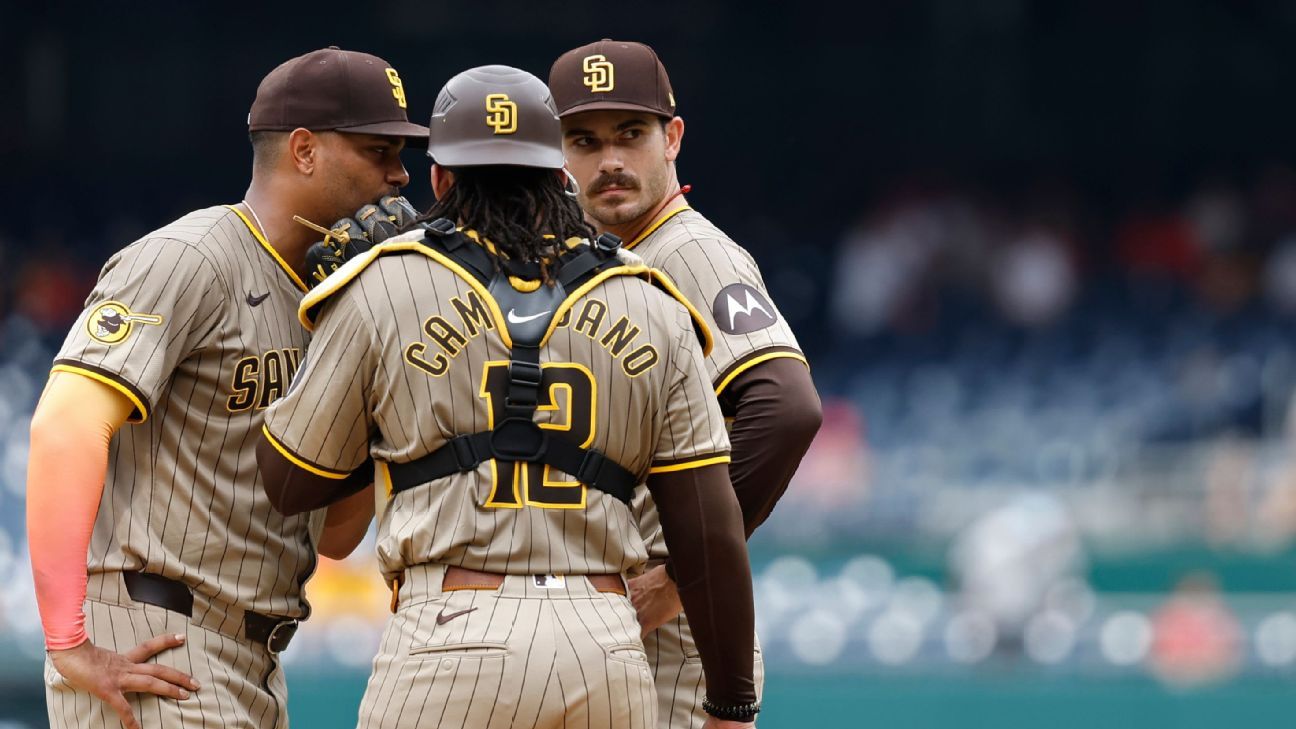
Consider the case of a young pitcher making his first spot start in a packed stadium. The weight of expectation is immense. Will he crumble under the pressure, or will he rise to the occasion? The manager’s job is to instill confidence, to remind the pitcher that his role is not to replicate the ace’s dominance but to simply keep the team in the game. Yet, this is easier said than done. The specter of failure looms large, and a single bad outing can haunt a pitcher for weeks. The challenge, then, is to manage expectations—not just among fans and media, but within the player himself. Can the spot start stream truly bridge the gap between hope and reality?
The Financial Gambit: When Money Talks, Arms Walk
Baseball is a business, and the business of baseball revolves around money. The spot start stream is, in many ways, a financial gambit—a way to stretch a limited payroll without sacrificing competitiveness. The economics of MLB rotations are brutal. Aces command nine-figure contracts, and their injuries or fatigue can derail an entire season. The alternative? A revolving door of minor-league arms, each cheaper than the last, each viewed as a temporary fix. But is this a sustainable model, or is it a race to the bottom?
The challenge here is twofold. First, there’s the cost of developing talent. The minor leagues are littered with pitchers who never quite make it, their dreams dashed by the sheer difficulty of the craft. The spot start stream relies on this churn, on the hope that one of these arms will pan out. Second, there’s the opportunity cost. Every spot start is a gamble that could have been spent developing a homegrown talent or acquiring a proven arm via trade. The financial tightrope is precarious, and the consequences of a misstep can be catastrophic. The question isn’t just whether the spot start stream works—it’s whether it’s the best use of a team’s limited resources.
The Future of the Rotation: Can the Spot Start Stream Endure?
The spot start stream is a symptom of a larger issue in modern baseball: the arms race for dominance has left teams with fewer and fewer reliable options. The solution, then, may not lie in finding more spot starters but in rethinking the entire rotation model. Could a six-man rotation alleviate some of the pressure? Would a greater emphasis on pitcher development reduce the reliance on stopgap measures? The future of the spot start stream depends on whether baseball is willing to confront these deeper questions.
For now, the strategy remains a vital tool in the manager’s arsenal. It’s a way to navigate the chaos of a long season, to keep the dream alive even when the ace is gasping for air. But like all stopgap measures, it’s not a long-term fix. The challenge ahead is to find a balance—to use the spot start stream as a bridge, not a crutch, and to build rotations that are resilient enough to withstand the grind of a 162-game season. The game evolves, and so must the strategies that define it. The question is whether the spot start stream will evolve with it, or whether it will become a relic of a bygone era.