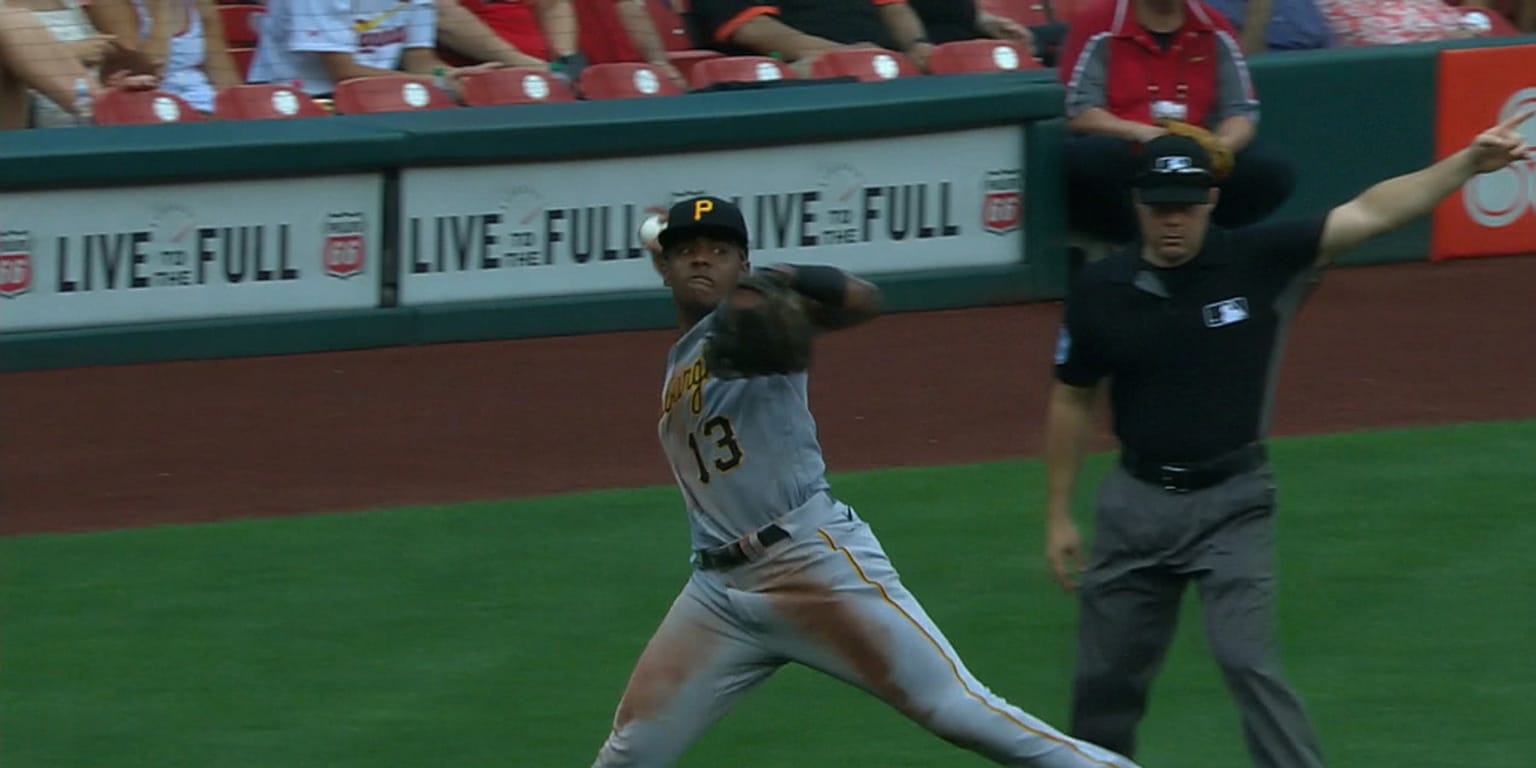
In the intricate ballet of baseball defense, few plays captivate the imagination and strategic minds like the “Strike ‘Em Out Throw ‘Em Out” double play. This maneuver, a quintessential demonstration of pitching precision and infield agility, epitomizes baseball’s blend of athleticism and cerebral prowess. It not only halts offensive momentum but also galvanizes the defensive unit and energizes the crowd, crystallizing the sport’s exhilarating unpredictability. To fully appreciate the artistry behind this play, one must delve into its mechanics, variations, and the situational contexts that elevate it from a routine out to a moment of defensive brilliance.
The Anatomy of the Strike ‘Em Out Throw ‘Em Out Double Play
The essence of this double play begins on the mound, where a pitcher masterfully dispatches the batter with a strikeout. However, the drama unfolds in the seconds immediately following the last strike, when an alert catcher or pitcher identifies an opportunity to retire a baserunner attempting to steal or linger off base. The interplay between pitching prowess and defensive anticipation culminates in a swift throw to a base, usually second, completing the double play. This feat demands impeccable timing, razor-sharp reflexes, and flawless communication among the battery and infielders.
The execution is often initiated by a dropped third strike or a caught strike where the ball remains in play, allowing the catcher to capitalize on a baserunner’s overzealous lead. The catcher’s quick transition from catching to throwing is crucial. Simultaneously, the infielders—primarily the shortstop or second baseman—must be poised to receive an on-target throw and apply a rapid tag, effectively trapping the runner between bases with no recourse.
Strategic Importance in Modern Baseball
Beyond the spectacle, the “Strike ‘Em Out Throw ‘Em Out” double play serves as a tactical weapon wielded to disrupt opposing teams’ baserunning rhythm and suppress scoring opportunities. In the era of analytic-driven baseball, every out multiplies in value, and double plays swing momentum dramatically. They curtail rallies, extinguish base-path threats, and reshape inning narratives. The psychological reverberations extend beyond the diamond; a perfectly executed double play can rattle an opposing lineup, forcing more conservative baserunning and altering pitch selection.
Managers meticulously strategize to induce strikeouts in double play situations, pairing pitchers known for high strikeout rates with defenders skilled at quick throws and reliable tags. The practice underscores a comprehensive approach to run prevention, blending individual excellence with collective coordination.
Variations and Nuances of the Double Play
Though the core elements of the play remain consistent, its manifestations are multifaceted. One common variant occurs when a catcher promptly throws out a stealing runner following a strikeout at the plate. Alternatively, a pitch that eludes the catcher—a dropped third strike—can catalyze a scramble, with the catcher sprinting to recover the ball and initiate the double play. Each variation heightens the demand for alertness and split-second decision-making.
Moreover, situational variables—such as pitcher handedness, baserunner speed, and steal tendencies—influence the frequency and success of this maneuver. Left-handed pitchers, for instance, may have a slight disadvantage in quick throws to second base due to their body positioning after delivery, while right-handed counterparts can pivot more naturally. Anticipation by the catcher, based on scouting reports and game context, adds another layer of complexity.
Key Players and Skills Involved
While the play’s starting point is the pitcher’s strikeout, the spotlight often shines brightest on the catcher and middle infielders. Catchers must possess a blend of cannon-like arm strength, rapid transition skills, and situational awareness to execute the throw under pressure. Middle infielders—shortstop and second baseman—are equally vital, required to exhibit lightning-quick glove work and decisive tags.
Training regimens for these players emphasize reaction times and footwork as much as raw power. Reading baserunners’ leads, anticipating their moves, and maintaining relentless focus are prerequisites for success. The ability to coordinate seamlessly with pitchers and teammates during chaotic moments distinguishes the elite practitioners of this play.
Memorable Instances in Baseball History
Throughout MLB history, several renditions of the “Strike ‘Em Out Throw ‘Em Out” double play have ignited highlight reels and etched themselves into baseball lore. These moments exemplify peak athleticism and split-second reflexes under immense pressure, often turning the tide of crucial contests. Classic examples include franchise-defining playoff games where defensive prowess extinguished potent offensive threats, underscoring the double play’s game-changing potential.
These iconic executions also serve educational purposes, being studied by players and coaches to refine technique and maximize the tactical advantage. They highlight the thin margin between success and failure in high-stakes scenarios, reinforcing the importance of mental fortitude and preparation.
The Role of Technology and Analytics
Modern advancements in technology and analytics have transformed the preparation and execution of the double play. Video analysis helps pitchers and catchers anticipate baserunners’ habits, while data-driven metrics assess the optimal pitch types in double play situations. Positioning of infielders is increasingly dictated by spray charts and real-time data, maximizing defensive efficiency.
Furthermore, wearable devices and motion capture technology refine players’ mechanics, enabling incremental improvements that can differentiate a successful double play from an error. The intersection of traditional skill sets with cutting-edge tools elevates the strategic depth of the “Strike ‘Em Out Throw ‘Em Out” maneuver in contemporary baseball.
Fan Engagement and Cultural Impact
Fans revel in the excitement generated by these double plays, which compound the dramatic tension of the game. The simultaneous presence of pitching genius, defensive spectacle, and rapid-fire decision-making appeals broadly to both casual spectators and purists. Broadcasts often feature slow-motion replays and expert commentary that dissect the play’s components, enhancing appreciation among viewers.
Beyond the immediate thrill, such plays have seeped into baseball culture as metaphors for precision and efficiency. Phrases like “strike ‘em out, throw ‘em out” embody the ideal of relentless pursuit and flawless execution, resonating far outside the diamond in everyday parlance and motivational contexts.
Training and Drills to Perfect the Play
Developing proficiency in the “Strike ‘Em Out Throw ‘Em Out” double play is a process of relentless repetition and situational training. Catchers practice rapid footwork and throwing drills that simulate game pressure. Infielders hone their tagging techniques and reflexive glove work with partner drills and live-action simulations. Coordination exercises that mimic the real-time chaos of baserunning attempts enhance team synergy.
Coaches integrate scenario-based training that stresses communication, awareness, and split-second decision-making, ensuring that players internalize both their individual responsibilities and the collective dynamism. Mental conditioning complements physical drills, fostering confidence and composure essential for execution under duress.
In summation, the “Strike ‘Em Out Throw ‘Em Out” double play is more than a mere sequence of outs; it is a symphony of timing, skill, and strategic acumen that underscores the cerebral beauty and athletic artistry of baseball. Its mastery exemplifies the sport’s timeless allure and continues to inspire players and fans alike, preserving its revered place in the pantheon of baseball’s most thrilling defensive feats.