The crack of the bat, the arc of the ball, the sudden stillness of a pitcher’s windup—baseball is a sport of precision, where milliseconds and millimeters dictate success or failure. Yet beneath the spectacle of home runs and stolen bases lies a biomechanical marvel that separates the extraordinary from the merely skilled: hip-shoulder separation. This isn’t just a technical term; it’s the invisible engine of power in a hitter’s swing, a phenomenon so subtle yet so transformative that it can elevate an average player into a pro-level slugger. To witness it in action is to glimpse the intersection of physics, athleticism, and artistry—a dance of torque and timing that turns raw strength into surgical efficiency.
The Anatomy of a Power Swing: Where Mechanics Meet Magic
At its core, hip-shoulder separation is the differential rotation between the lower and upper body during the swing. Picture a pitcher’s stride: the hips fire forward while the shoulders lag behind, creating a coiled tension akin to a spring. This isn’t just about twisting; it’s about timing. The hips initiate the movement, rotating toward the pitch at a rate that can exceed 700 degrees per second in elite hitters. Meanwhile, the shoulders remain closed, delaying their rotation by a fraction of a second—just enough to generate a torque that can exceed 1,000 Newton-meters in the torso. The result? A whip-like transfer of energy from the ground up, culminating in the bat head reaching velocities north of 80 mph.
What makes this so fascinating is how it defies intuition. Most athletes are taught to “swing from the hips,” but the real power lies in the resistance between the hips and shoulders. It’s the difference between pushing a door open and pulling it shut—one is forceful but inefficient; the other is effortless yet explosive. The best hitters don’t just rotate; they *delay* rotation, creating a kinetic chain that amplifies force through every joint, from the legs to the hands. This is why a 150-pound infielder can drive a ball 400 feet: the separation isn’t just a movement; it’s a symphony of leverage.
The Physics of Torque: Why Separation is the Ultimate Force Multiplier
To understand hip-shoulder separation, you must first understand torque—the rotational equivalent of force. In a baseball swing, torque is generated by the difference in angular velocity between the hips and shoulders. The greater the separation, the more potential energy is stored in the system. When the shoulders finally unleash their rotation, that energy is released in a burst, much like a slingshot snapping forward. Studies using motion-capture technology have shown that elite hitters achieve separation angles of up to 60 degrees, whereas amateurs often max out at 30 degrees or less.
But torque alone isn’t enough. The magic happens in the transition—the moment when the hips stop rotating and the shoulders begin. This is where the body’s elastic energy comes into play. Tendons and muscles act like rubber bands, stretching and recoiling to add an extra 10-15% to bat speed. The separation isn’t just a mechanical advantage; it’s a biological one. The body’s natural elasticity, when harnessed correctly, turns the swing into a self-perpetuating cycle of acceleration. This is why some hitters feel like they’re swinging with “extra time”—because, in a way, they are.
The Visual Language of Separation: What to Look For
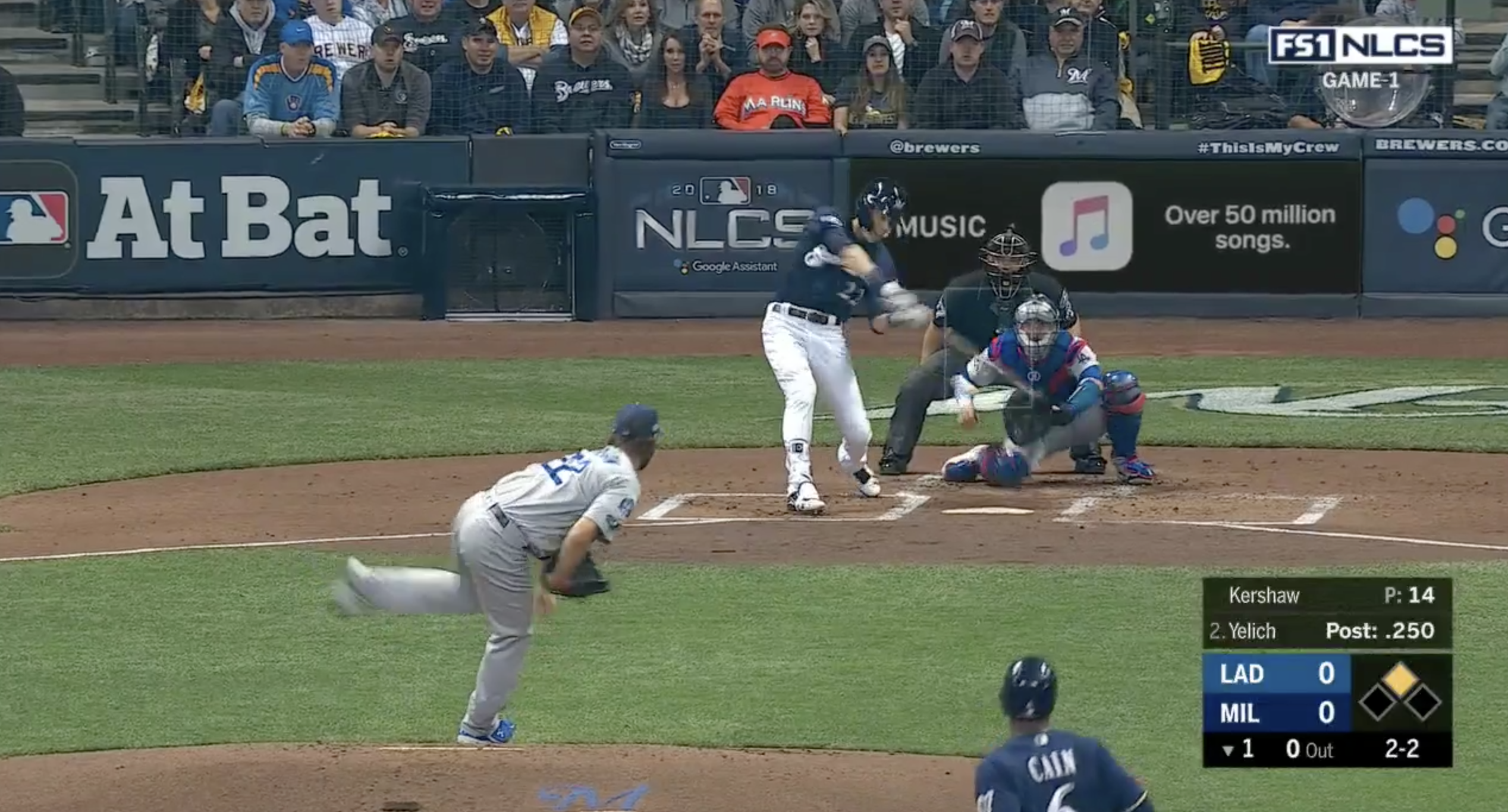
Watching a hitter with elite separation is like observing a master illusionist. The body moves in ways that seem impossible until you break it down frame by frame. The first clue is the stride: the front foot lands slightly open, but the hips remain closed, creating a “pivot” point. The back shoulder dips slightly, while the front shoulder stays level, almost as if the hitter is peering around a corner. Then comes the “load”—the moment when the hands retreat slightly, further exaggerating the separation. The back elbow drops, not from fatigue, but to maintain the tension in the torso.
As the pitch approaches, the hips fire forward in a violent rotation, but the shoulders resist for a split second longer. This is the “delay” phase, where the hitter appears to pause mid-swing. Then, like a dam breaking, the shoulders explode open, the back foot pivots, and the bat whips through the zone. The key visual cue is the “shoulder tilt”—the way the lead shoulder rises while the trail shoulder dips, creating a diagonal line of force that channels energy upward. It’s not just a swing; it’s a geometric equation where every angle and plane is optimized for maximum efficiency.
The Psychological Edge: How Separation Translates to Confidence
There’s a mental component to hip-shoulder separation that’s often overlooked. When a hitter masters this movement, it instills a sense of invincibility. The body’s natural mechanics align with the brain’s expectations, creating a feedback loop where success breeds confidence. Studies in sports psychology have shown that hitters who achieve consistent separation report feeling “locked in” during at-bats, as if the swing is happening on autopilot. This isn’t just about muscle memory; it’s about proprioception—the body’s ability to sense its position in space.
Conversely, hitters who struggle with separation often describe a feeling of “fighting the swing.” Their movements become jerky, their timing off. The body, sensing the imbalance, compensates by overusing the arms or upper body, leading to weak contact or strikeouts. The beauty of separation is that it turns the swing into a closed-loop system: the more you practice it, the more natural it feels, and the more natural it feels, the more you trust it. It’s the difference between a hitter who fears the pitcher and one who dictates the at-bat.
Training the Separation: Drills to Unlock Pro-Level Power
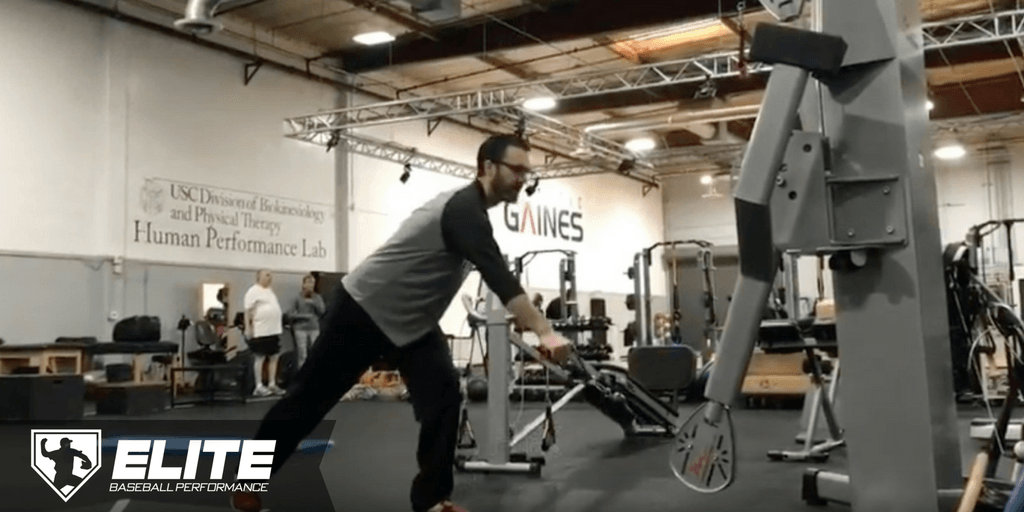
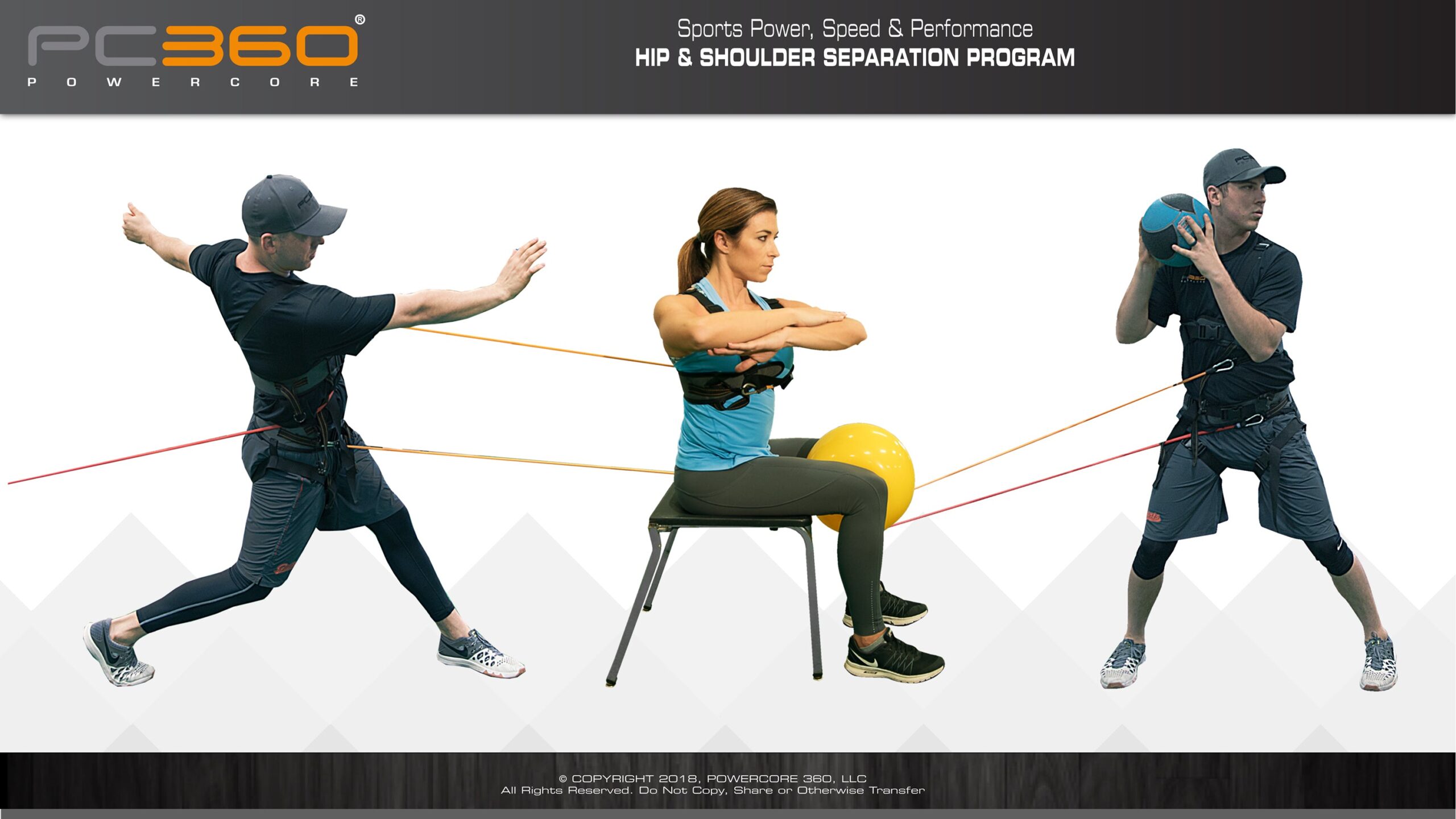
Developing hip-shoulder separation isn’t about brute strength; it’s about finesse. The best drills focus on isolating the movement while maintaining rhythm. One effective method is the “step-back drill,” where the hitter takes a small step back with the front foot during the load, exaggerating the separation before driving forward. Another is the “towel drill,” where a towel is tucked under the armpit of the lead arm to encourage the elbow to stay connected to the body, preventing the shoulders from flying open too early.
Technology has also revolutionized training. High-speed cameras and force plates can measure separation angles in real time, giving hitters instant feedback. Some advanced systems use electromyography (EMG) to track muscle activation, revealing which parts of the body are contributing to the torque. The goal isn’t just to increase separation but to do so efficiently—without sacrificing bat speed or balance. It’s a delicate balance between power and precision, where every degree of rotation counts.
The Evolution of Separation: From Ted Williams to Today’s Hitters
Hip-shoulder separation isn’t a new concept. Ted Williams, in his seminal book *The Science of Hitting*, described the importance of “keeping the shoulders closed” during the stride. But modern technology has taken the understanding of separation to new heights. Today’s hitters use 3D motion analysis to refine their mechanics, often tweaking angles by just a few degrees to gain an edge. Players like Mike Trout and Aaron Judge are masters of separation, their swings a study in biomechanical perfection.
What’s fascinating is how separation has evolved with the game. In the dead-ball era, hitters relied more on contact and placement. Today, with the emphasis on exit velocity and launch angle, separation has become the great equalizer. A hitter with elite separation can generate the same power as a hitter with 20 pounds more muscle, proving that efficiency often trumps raw strength. This shift has democratized power in baseball, allowing smaller players to compete with the game’s titans.
The Unseen Battle: Why Separation is the Ultimate Edge in Baseball
At its heart, baseball is a game of inches, where the difference between a line drive and a pop-up can be measured in milliseconds. Hip-shoulder separation is the hidden variable in that equation—a variable that separates the good from the great, the average from the extraordinary. It’s not just about hitting the ball harder; it’s about hitting it smarter. The best hitters don’t just swing; they *engineer* their swings, using physics and biology to their advantage.
For the casual fan, it’s easy to overlook the intricacies of a swing. But for those who study the game deeply, hip-shoulder separation is a revelation. It’s proof that baseball isn’t just a sport of talent and luck; it’s a sport of science and artistry. And when you see it in action—when the hips fire, the shoulders delay, and the bat explodes through the zone—you’re witnessing something rare: the perfect marriage of human potential and mechanical precision.